
Home / EV Charger / Commercial EV DC Fast Charger 80-240kW
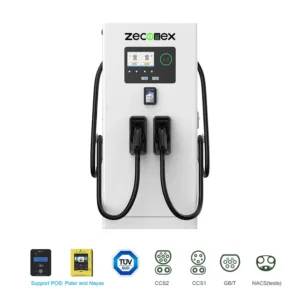
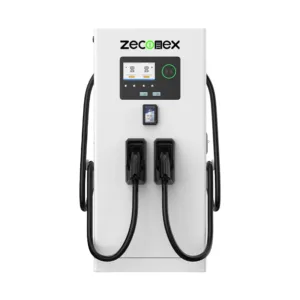
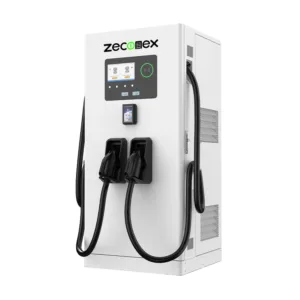
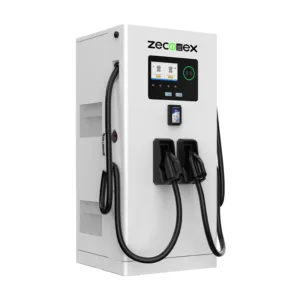
Commercial EV DC Fast Charger 80-240kW
Features:
Contact Us For Bulk Order Price
Description
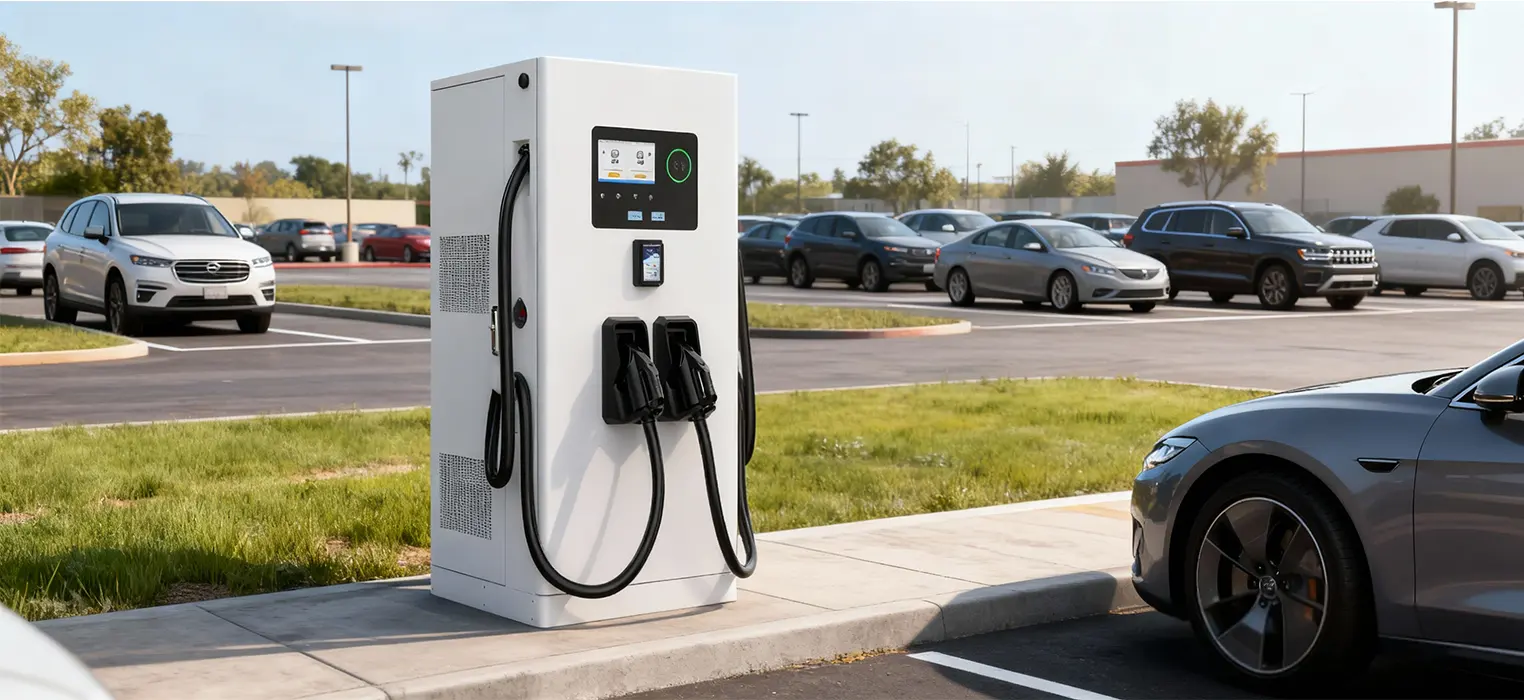
This high-power DC fast charger is designed for commercial and public EV charging applications requiring high reliability, scalability, and multi-standard compatibility. It is suitable for deployment in public charging stations, commercial parking facilities, fleet depots, highway service areas, and charging hubs, supporting continuous daily operation in demanding environments.
Positioned as a scalable and customizable charging solution, it supports multiple power configurations, dual-output charging, flexible communication options, and integration with charging management systems to meet diverse project requirements.
Compliant with international charging and safety standards and compatible with CCS2, CCS1, NACS, and GB/T vehicles as well as mainstream backend systems, it is well-suited for large-scale commercial projects, charging network operators, and OEM/ODM deployments across global markets.
Model | ZECO-0800-D5 | ZECO-01200-D6 | ZECO-01600-D7 | ZECO-01800-D8 | ZECO-02400-D10 |
|---|---|---|---|---|---|
Technical features | |||||
Max Power | Up to 80kW | Up to 120kW | Up to 160kW | Up to 180kW | Up to 240kW |
Input / Output Power | 400VAC+10%-50/60Hz-3phase(CCS2and GB/T) 480VAC+10%-50/60Hz-3phase(CCS1+NACS) | ||||
Power Factor | ≥0.98 | ||||
Efficiency | >95% | ||||
Measuring Accuracy | Level 0.5 | ||||
Output Voltage Range | CCS2 CCS1 NACS GB/T:150~1000VDC | ||||
Output Current Range | 0-250A/0-300A(optional) | ||||
Communication | ISO15118 / DIN70121(between charger & vehicle) / Ethernet / 40G/ OCPP 1.6J | ||||
User Interface | LCD 7 Inch Touch Screen / RFID Card and APP | ||||
Versatility | EN/ IEC 61851-1: 2019, EN/ IEC 61851-23:2014, UL 2202, U2594 | ||||
Security Design | Over/ under voltage protection, overload protection, currentleakage protection, grounding protection, lightening surge protection | ||||
DC Plugs | CCS2 CCS1 NACS and GB/T, Cable 5M | ||||
Energy Meter | CE certified | ||||
MCCB | MCCB or MCCB with typeA(Optional) | ||||
Load balancing | Load balancing meter and CT(optional) | ||||
Physical Properties | |||||
Cooling | Air Cooled | ||||
IP Level | IP55 | ||||
Sound Noise | <70DB in all Directions | ||||
Operating Temperature | -30℃ to + 50℃ | ||||
Humidity | Max.95% (Non-Regulating) | ||||
Dimensions | 750*570*1750mm | ||||
Package Dimension | 850*630*1850(L*W*H ) mm Wooden packing | ||||
Benefits of using the DC Fast Charger
Saves time
The main advantage of DC fast charging is the significant time savings it offers. If you're on a road trip or need to quickly top up your battery before an appointment, DC fast charging is the way to go.
Convenience
DC fast charging stations are becoming increasingly common, especially along major highways and in urban areas. This makes it easy to find a station when you need it.
Reduces range anxiety
With the ability to quickly charge your battery, DC fast charging can help reduce range anxiety, the fear of running out of power before reaching your destination.
What is a DC Fast Charger?
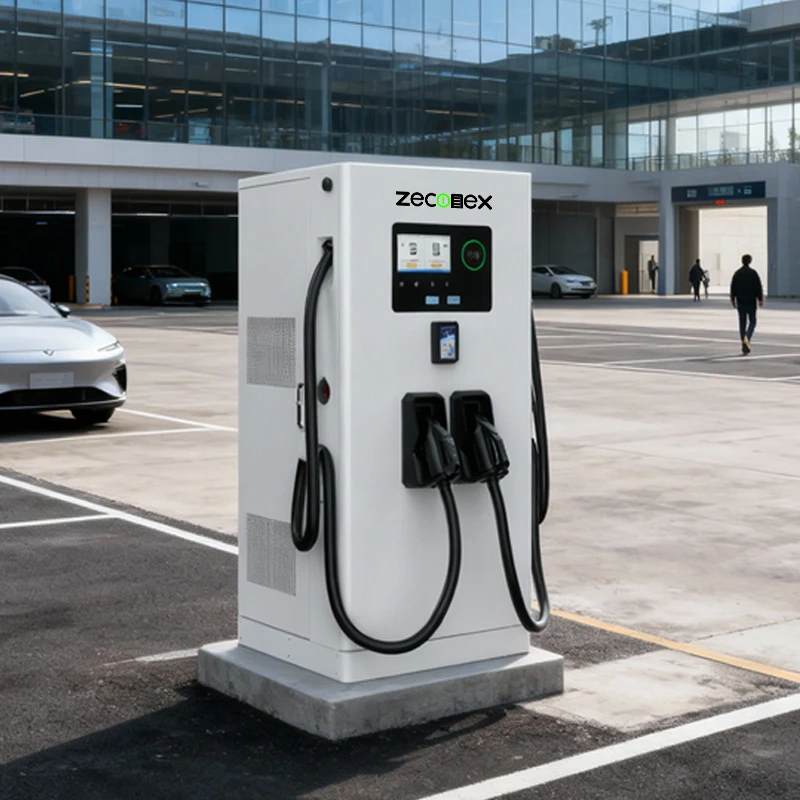
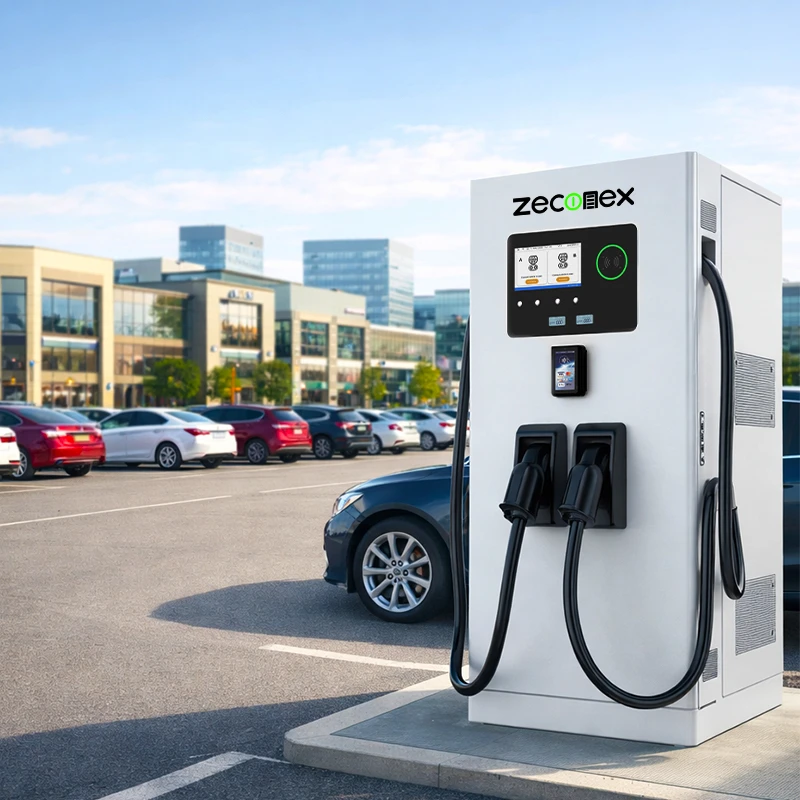
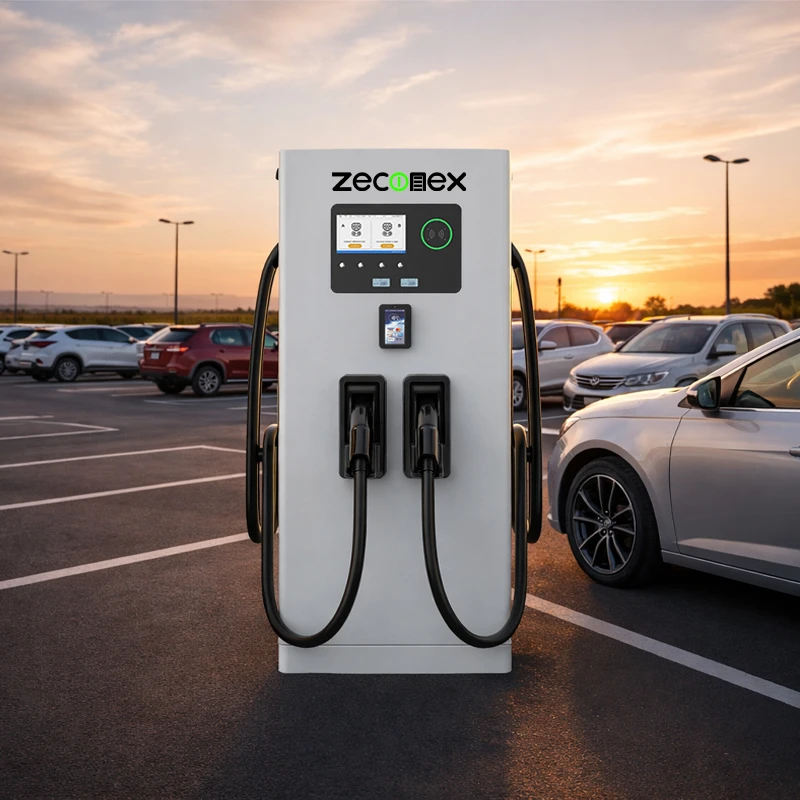
A DC fast charger (Level 3 charger) is a charging system that delivers high-power direct current to electric vehicles, with typical power ratings ranging from 50 kW to 350 kW.
Its key advantages include high power output, rapid energy replenishment, and high throughput efficiency, making it well-suited for high-traffic applications such as public charging stations, highway service areas, and urban fast-charging hubs.
Compared to AC charging solutions, DC fast charging bypasses the onboard charger (OBC) and supplies direct DC power to the vehicle battery. Through real-time communication with the vehicle’s battery management system (BMS), the charger enables higher power limits and dynamic charging control, making it ideal for high-frequency use and continuous operation in commercial charging environments and a core solution for large-scale deployment.
Pros and Cons of the Level 3 DC Fast Charger
Advantages:
- Fast charging: Fully charged in 30 minutes
- Convenient: Suitable for scenarios that require fast charging
- Efficient: Reduces charging losses
Disadvantages:
- Higher initial investment compared with AC chargers
- Requires higher grid capacity and infrastructure planning
Things to Note When Choosing a Level 3 DC Fast Charger
Vehicle Compatibility: Make sure the charger is compatible with your electric vehicle.
Charging power: Choose the charging power that matches your needs.
Charging time: Understand the charging time required by chargers of different powers.
Cost and Affordability: Consider the cost of purchasing and using a charger.
Availability and location: Choose a charger location that’s convenient for you.
Comprehensive Support
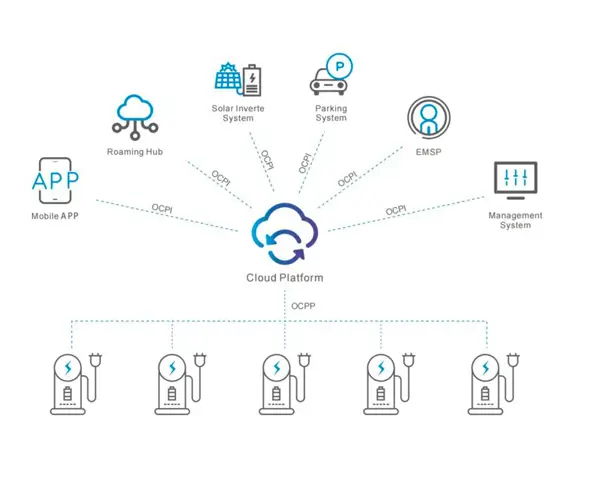
Cloud Platform
Dedicated to enabling the future of e-Mobility with the most open, secure, and robust charging network, our cloud-based EV charging platform makes it easy for operators to manage and customize chargers to their exact needs.
We provide everything required to deliver a complete charging ecosystem, including a management system, mobile app, and seamless interoperability across networks and hardware.
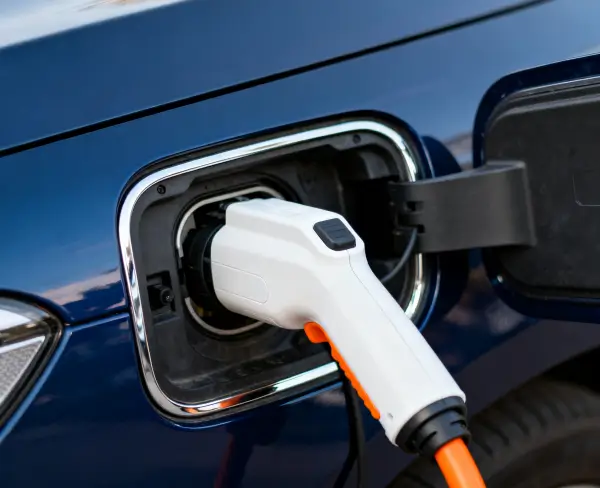
OEM/ODM Service
Our experienced R&D teams in China and abroad specialize in international charging protocols, enabling us to provide reliable OEM and ODM services for clients worldwide.
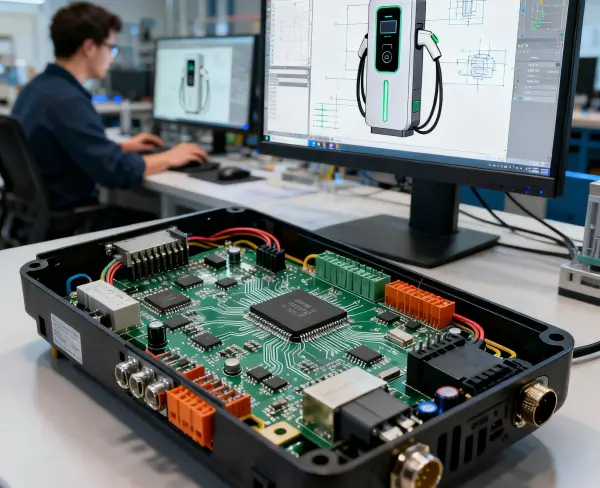
Comprehensive After-sale Guarantee
If the product is damaged or malfunctions due to manufacturing defects, Zeconex will provide free maintenance or replacement of parts to ensure reliable long-term operation.
You May Also Like:
Looking For an EV Charger Manufacturing Expert?
Submit Your Request
We’re always excited about your message, so feel free to get in touch, and we will reply to you within 2 hours.