
ZECONEX EV Charger Load Balancing
Based on real-time power demand, the load balancing system dynamically monitors power loads across different circuits and automatically adjusts the charging power of EV chargers to make better use of available power capacity.
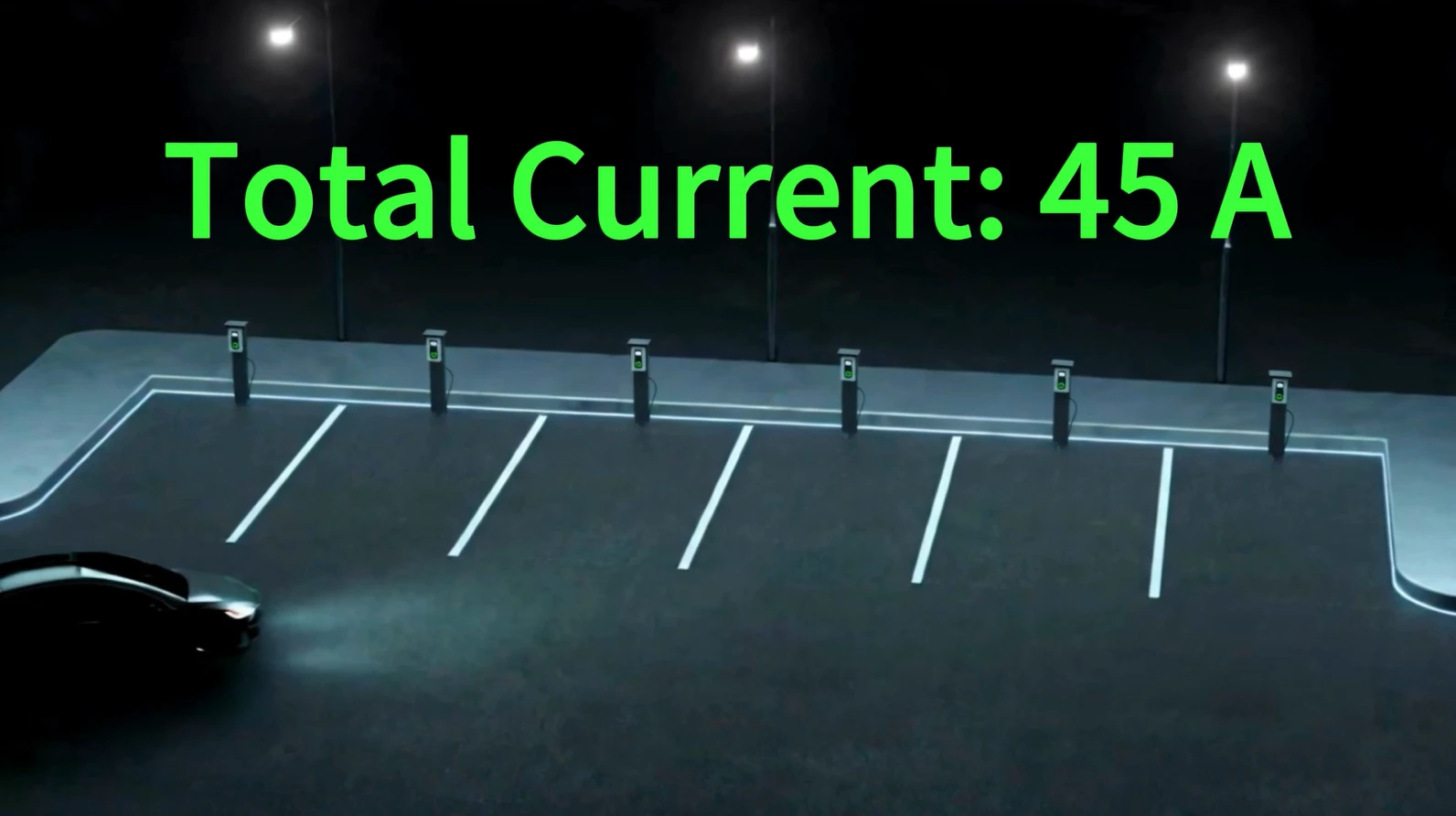
Value
Why Use Load Balancing for EV Charging?
01
Prevent Electrical Overload
Automatically adjust charging power according to available site capacity.
02
Maximize Existing Capacity
Make better use of the electrical infrastructure already available at the site.
03
Manage Power Costs
Coordinate charging with site demand and configured operating limits.
04
Scale Multi-Charger Sites
Support additional chargers while keeping power allocation under control.
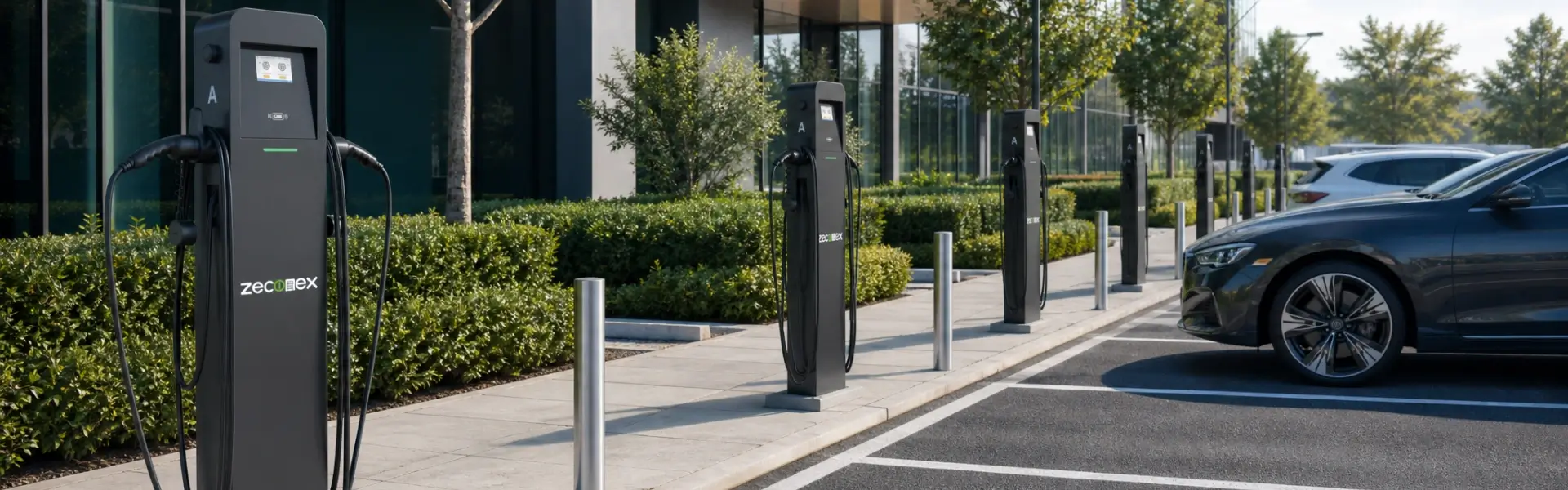
Home EV Charge Static Load Balancing
It enables you to set a maximum power for multiple chargers in the management system and distribute the charging power evenly between the individual active chargers.
Load balancing helps you to protect the local grid within the capacity limit during peak hours of electricity consumption.
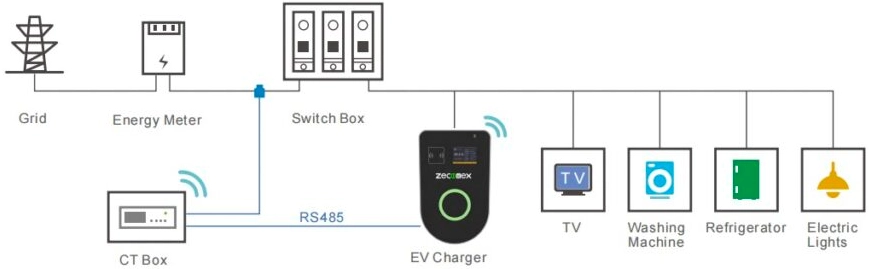
ZECONEX Home App Load Balancing
Monitor household energy use and EV charging in real time. The ZECONEX Home App intelligently balances available power to prevent overload and optimize charging efficiency.
App Interface
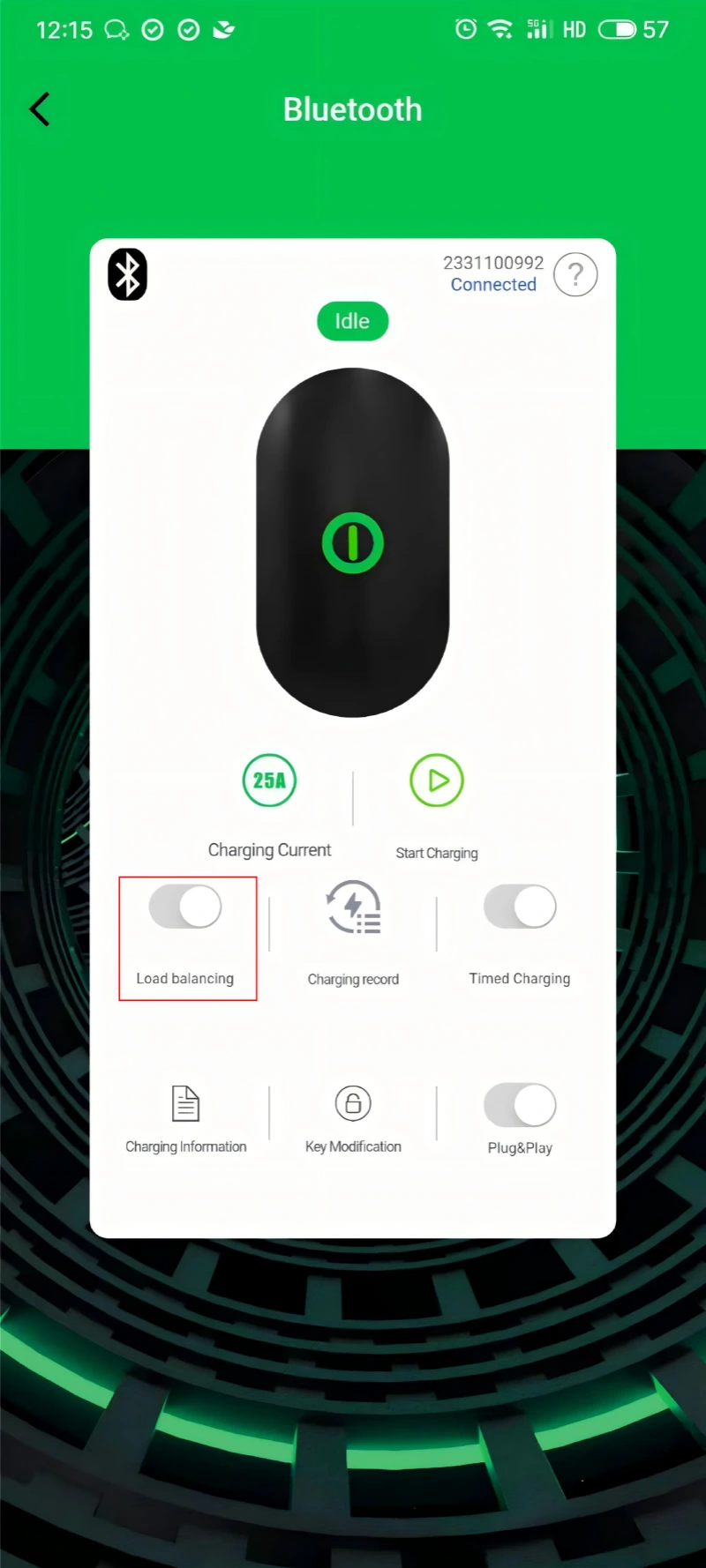
Load Balancing App Settings
CT installed | APP Load balancing enabled | Fuse rating/max incomer load | APP SETTING |
|---|---|---|---|
NO | NO | N/A | N/A |
YES | NO | N/A | N/A |
YES | YES | 16A | 10A |
YES | YES | 32A | 26A |
Commercial EV Charger Dynamic Load Balancing
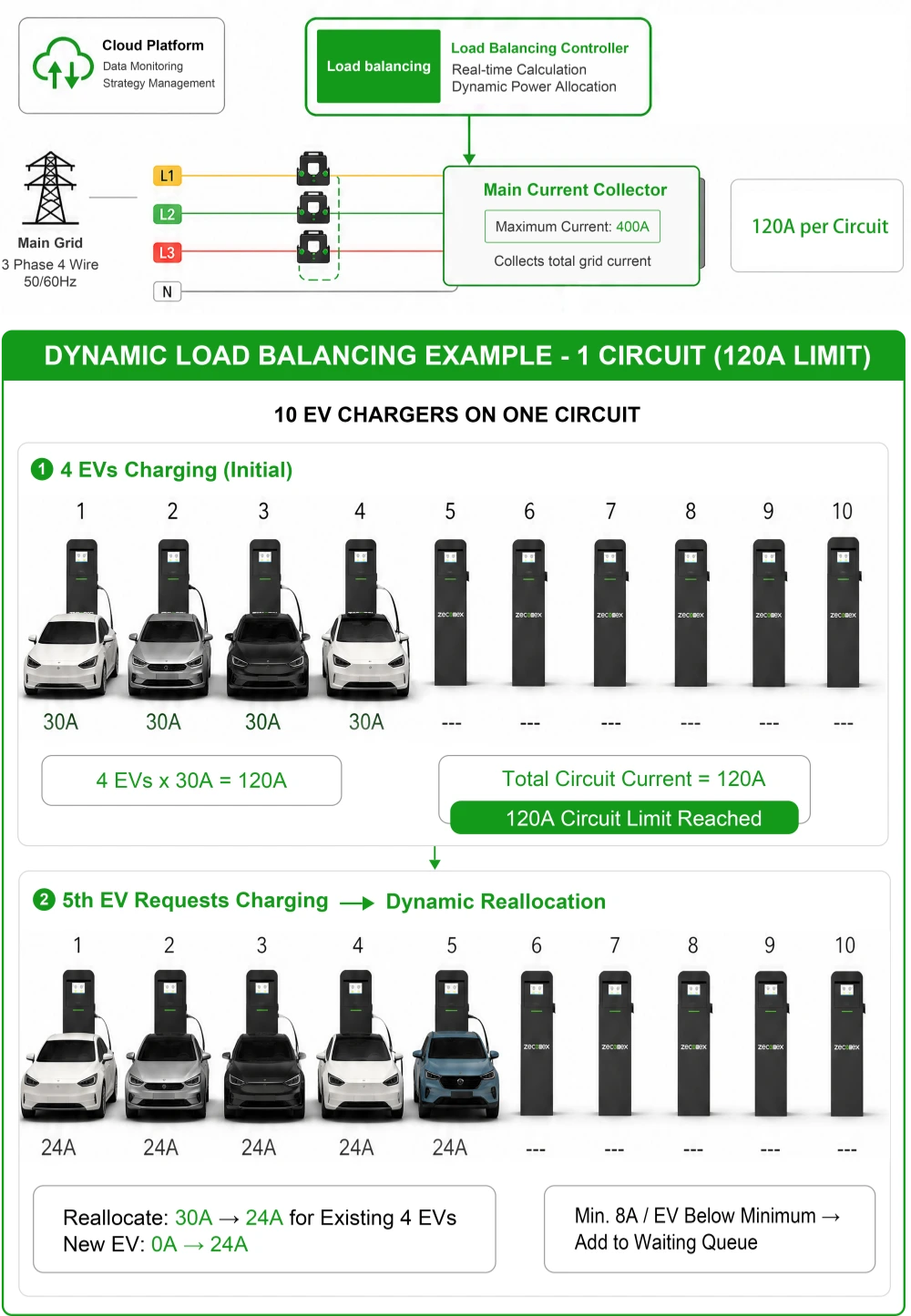
Commercial EV charger dynamic load balancing is a power management method that dynamically distributes available electrical capacity among multiple EV chargers and other building loads based on real-time electricity demand.
Control Logic
Power follows demand
When building demand changes, the available charging capacity is recalculated and redistributed across active chargers.
1. Measure
Collect real-time site electricity consumption.
2. Calculate
Determine the safe capacity available for EV charging.
3. Distribute
Adjust charger power according to configured limits and active sessions.
4. Rebalance
Repeat continuously as building or charging demand changes.
See the Difference Dynamic Power Allocation Makes
A simple example shows why power management matters when multiple EV chargers share a constrained commercial site.
Without Load Balancing
Demand can exceed available capacity
Transformer Total
500A
Building
350A
EV 01
100A
EV 02
100A
350A + 100A + 100A = 550A ⚠
A 500 kVA transformer operating at a 550 kVA load is overloaded, which can lead to overheating, protection trips, and power outages.
With Dynamic Load Balancing
Available power is shared intelligently
Transformer Total
500A
Building
350A
EV 01
100A
EV 02
50A
350A + 100A + 50A = 500A ✓ Within configured capacity
Set the EV charger circuit limit to 150 kVA. The load balancing system dynamically and intelligently distributes the current to keep the circuit load within the configured 150 kVA limit, preventing transformer overload.
Where EV Load Balancing Fits
Designed for sites where several chargers share electrical capacity with existing building or operational loads.
Home
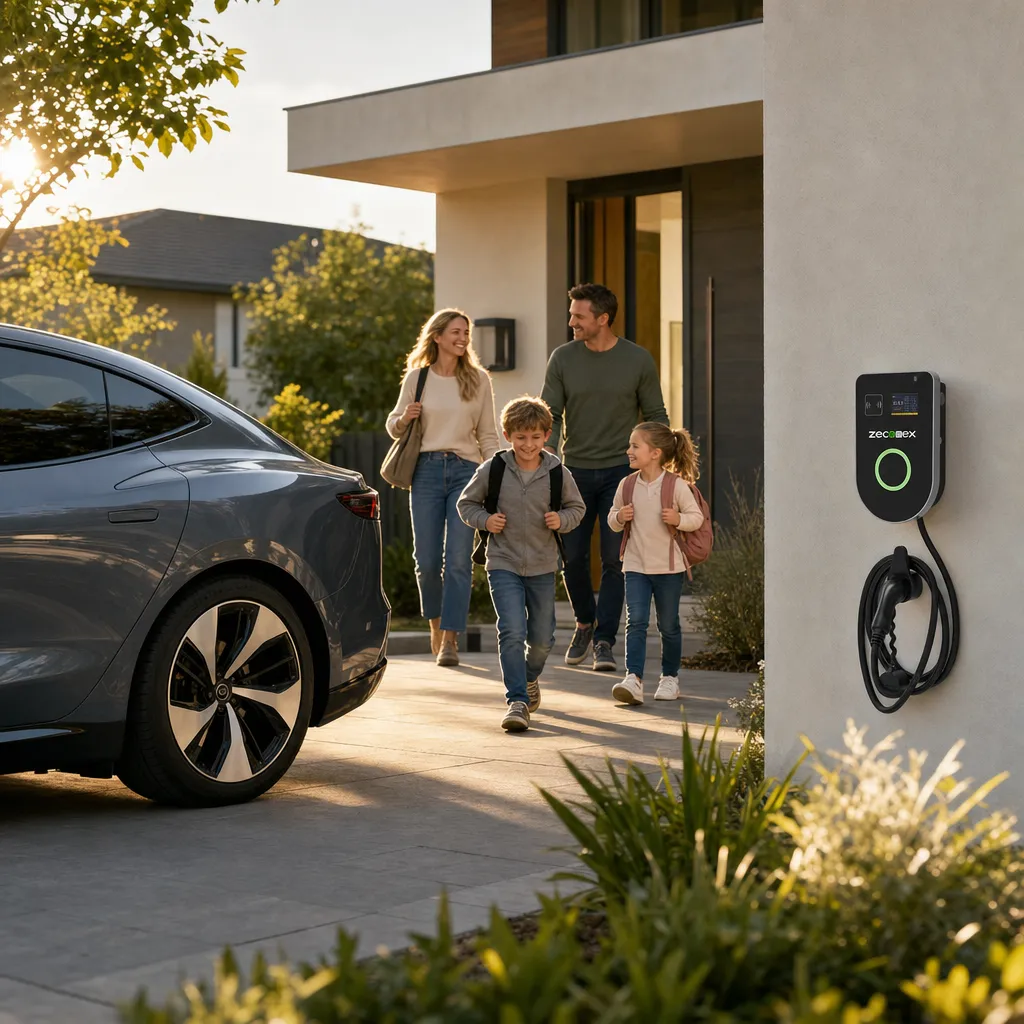
Flexible Power Allocation for Safe Home EV Charging
Fleets & Logistics
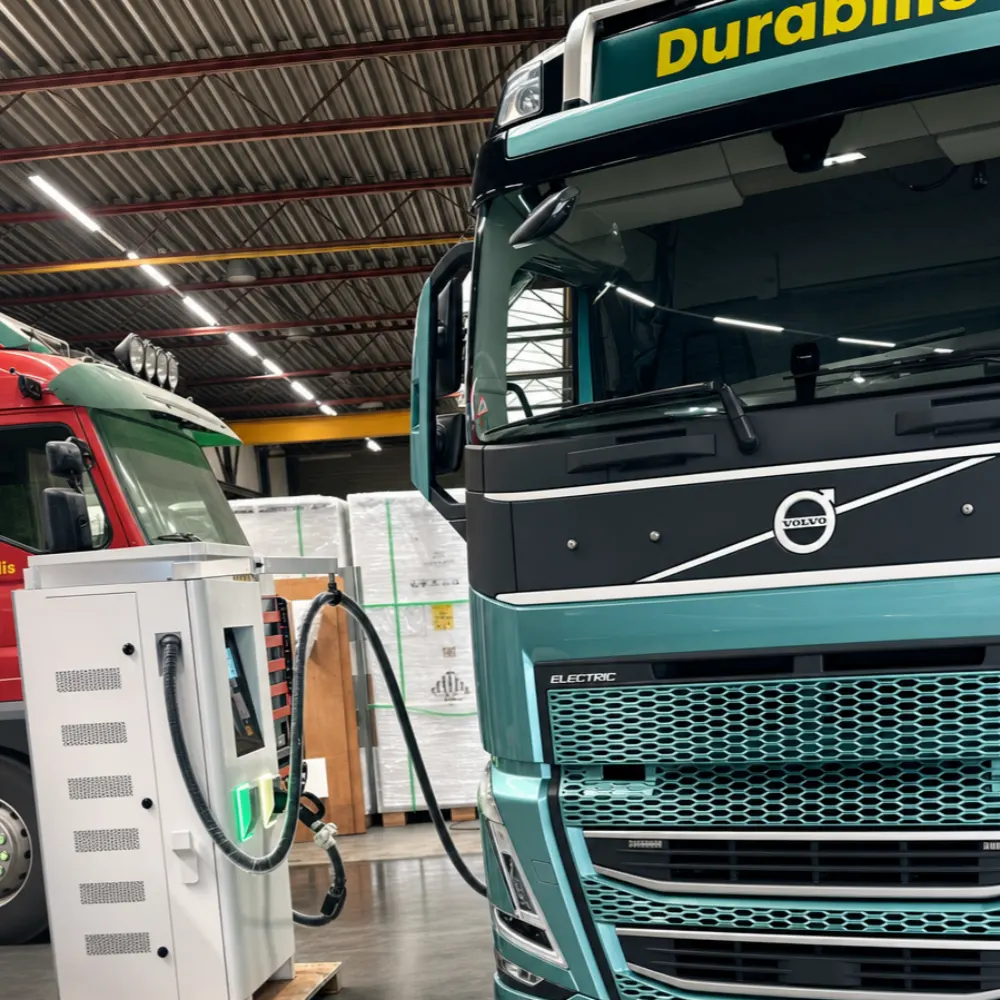
Distribute charging capacity across multiple vehicles and charging sessions.

Public Charging Sites
Use centralized power management for multi-charger deployments and future expansion.
EV Charger Load Balancing FAQ
What You May Want to Know About an EV Charger Load Balancing
EV charger load balancing dynamically distributes available electrical capacity among multiple EV chargers and other building loads based on real-time electricity demand.
Real-time monitoring of total household power consumption → transmitting current data to the load balancing system → dynamically adjusting EV charging power based on available capacity.
ZECONEX provides CT sensors, load-balancing equipment, and a dedicated home app that allows you to flexibly manage and allocate available power for EV charging, helping ensure safe and reliable home charging.
A monitoring device measures site electricity demand. A controller then calculates available capacity and adjusts the charging power of active EV chargers so total demand remains within the configured operating limit.
Depending on site conditions, load balancing can help reduce or defer unnecessary electrical capacity expansion by making better use of existing available power. Final requirements should be confirmed through a project-specific electrical assessment.
Static load balancing uses a predefined maximum power limit for a group of chargers. Dynamic load balancing continuously responds to real-time site demand and adjusts EV charging power as electrical consumption changes.
CONTACT US
Looking for a Reliable EV Charger Manufacturer?
Send us your project requirements, and we will provide professional solutions and quotations within 24 working hours. Welcome to be our partner.
sales@zeconex.com
+86-18603001019