

Against the backdrop of the global transition to green energy, the electric vehicle (EV) market continues to expand rapidly, driving strong demand for charging infrastructure. However, market growth does not automatically translate into profit growth. Many EV charger wholesalers find themselves trapped in intense price competition, with margins steadily shrinking. So, how can you truly improve profitability in the EV charger wholesale business?
As a leading manufacturer of electric vehicle chargers, Zeconex has compiled a practical guide based on years of industry experience.
Why EV Charger Wholesale Remains Profitable in 2026
By 2026, the global electric vehicle industry will have transitioned from its early high-growth phase into a more mature, large-scale stage of development. EV sales continue to rise steadily, while a clear gap remains between the number of charging stations available and the growing demand for EV charging.
As new energy policies continue to advance across Europe, North America, and Southeast Asia, demand for upgraded EV charging solutions is increasing significantly—particularly for high-power DC fast charging, intelligent energy management, and multi-standard compatibility.
Understanding the Profit Structure of EV Charger Wholesale
In the EV charger wholesale business, if you want to achieve higher profit margins, you must first understand how profits are structured. The following are the key components of the profit model:
- Factory production cost (ex-works price)
- Ocean freight and import duties
- Certification and compliance costs
- Channel markup margin
- After-sales service and maintenance costs
- Installation and technical support expenses
Five Core Strategies to Increase Profitability
1. Choose the Right EV Charger Supplier
The market has entered an era of long-term partnerships. Choosing the right supplier is no longer just about securing a competitive purchase price—it directly impacts long-term operational stability, after-sales service costs, and even brand reputation. The right supplier determines:
- Product quality consistency
- Certification completeness and compliance
- Delivery reliability
- After-sales responsiveness
- Ongoing technical upgrade capability
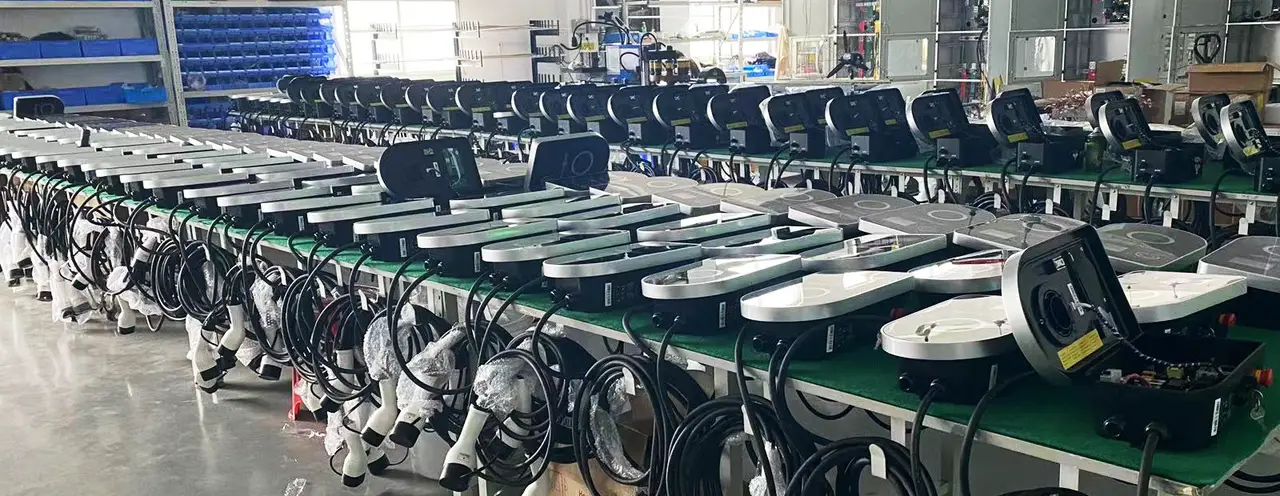
As a leading EV charger supplier, Zeconex is backed by an in-house R&D team and a fully integrated manufacturing system, serving customers in more than 30 countries worldwide. We don’t just supply products—we provide technical support, quality assurance, and long-term upgrade capabilities to help our partners build a sustainable and profitable business model.
2. Prioritize High-Power DC Fast Charging Solutions
The global EV market has moved beyond the early adoption phase and is now entering an efficiency-driven stage. As battery capacities continue to increase and applications such as commercial vehicles, electric trucks, and electric buses expand rapidly, demand for high-power DC fast charging solutions (80kW–480kW and above) is growing significantly.
Compared to AC chargers, high-power DC fast chargers offer substantially greater commercial value, including faster charging times, higher site utilization, and greater revenue potential for operators and wholesalers alike.
3. Use ODM/OEM to Develop a Private Label Brand
By leveraging OEM/ODM solutions to build your own private label brand, you can implement flexible pricing strategies tailored to different markets and regions, ultimately improving profit margins. At the same time, brand equity accumulation helps strengthen long-term customer relationships, enhance customer lifetime value, and create a foundation for sustainable profitability.
4. Integrate Installation and After-Sales Services
In today’s market environment, customers care more about the reliability of the overall solution and long-term operational support—not just the equipment price. Wholesalers who can offer a bundled solution that includes hardware, installation, and ongoing maintenance are far more likely to secure customer contracts and build long-term partnerships.
5. Reduce Inventory Risk by Optimizing Your SKU Strategy
In the EV charger wholesale business, variations in power output (such as 7kW, 11kW, and 22kW), connector standards, enclosure designs, and communication protocol versions can quickly lead to a rapid increase in SKUs.
The key to optimizing your SKU structure is to focus on mainstream power segments and high-demand models, while minimizing low-turnover configurations and redundant product variants. This not only simplifies inventory management but also improves stock turnover and reduces capital tied up in slow-moving products.
Common Profit Mistakes and Hidden Risks
- Focusing solely on low purchase prices while overlooking quality and certification risks
- Blindly expanding product models, leading to excess inventory and slow-moving stock
- Over-relying on price competition, which compresses profit margins
- Ignoring after-sales service and technical support costs
- Failing to assess compliance risks arising from different national certifications and evolving regulatory policies
Conclusion: Creating Long-Term Profitability in EV Charger Wholesale
Overall, the foundation of sustainable profitability lies in choosing a reliable supplier. A stable supply chain and long-term partnership are key drivers of margin growth and business stability. The right supplier influences far more than product cost; it determines quality consistency, certification completeness, delivery timelines, upgrade capability, and the strength of the after-sales support system.
A strong supplier partnership helps wholesalers reduce after-sales risk, minimize inventory pressure, and build greater customer trust. It also enables faster adaptation to regulatory changes and technological advancements, ensuring continued competitiveness in a rapidly evolving market.
Choosing the right supplier is not simply about lowering costs—it is about securing long-term growth and sustainable success.