
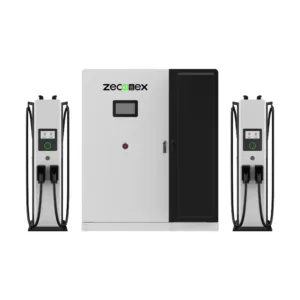
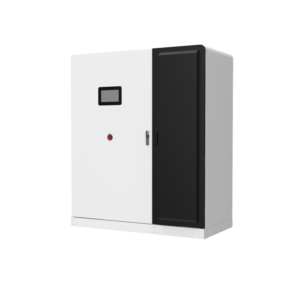
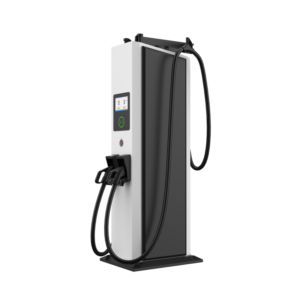
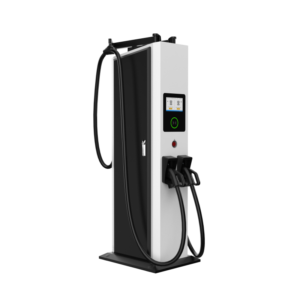
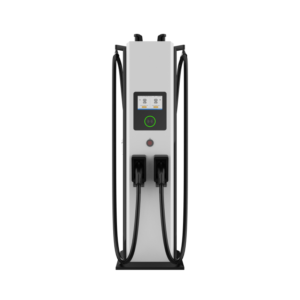
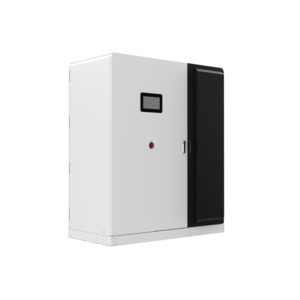
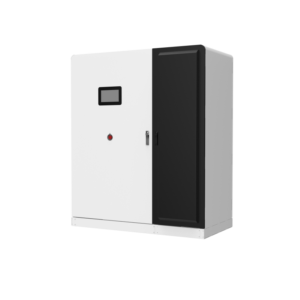
Split-Type Modular Charging Station 480-960kW
Features:
Contact Us For Bulk Order Price
Description
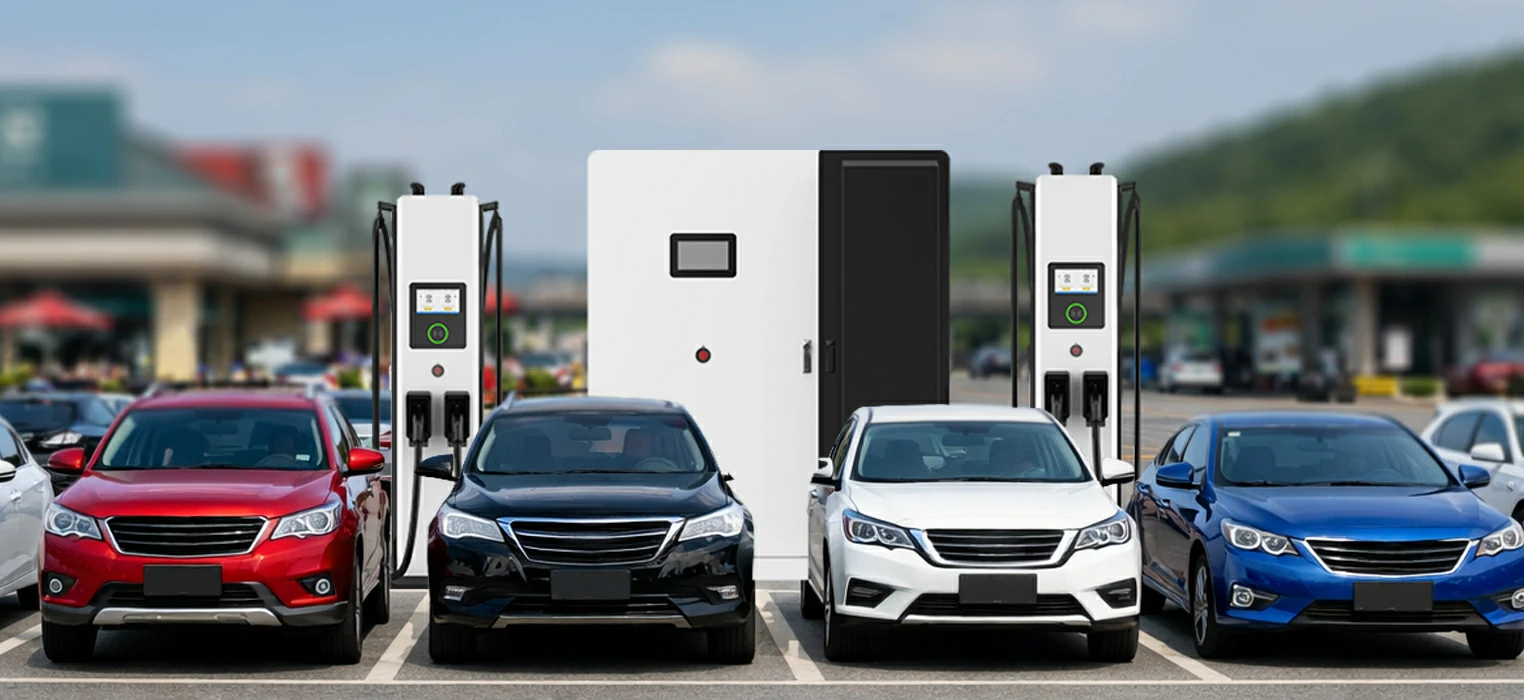
Zeconex Split-type Modular Charging Station (480 kW – 960 kW) is engineered for high-demand commercial and public fast-charging scenarios, offering exceptional power, reliability, and deployment flexibility. Featuring a split-type architecture with satellite charging terminals, the system minimizes noise at parking areas while allowing the power cabinet to be installed remotely, enabling efficient space utilization and optimized site planning.
Designed for ultra-fast EV charging, each terminal supports multi-gun output with intelligent power distribution and a maximum single-gun current of 250A (regular) or up to 600A with optional liquid cooling, making it ideal for passenger EVs, logistics fleets, and heavy-duty commercial vehicles. With a wide charging voltage range from 150V to 1000V, the system is compatible with all mainstream EV platforms.
To ensure long-term reliable operation, the charging station adopts an isolation air-duct design, G4 filtration, and high-quality components—achieving a low failure rate, >95% efficiency, and IP54 structural protection. Multiple protection mechanisms, CE certification, and compliance with EN/IEC 61851 and UL standards provide robust electrical and operational safety.
Smart features include remote monitoring, remote diagnostics, OTA upgrades, and support for various authentication and charging methods such as mobile scanning, RFID cards, and VIN recognition. The system communicates via Ethernet/4G and is fully compatible with OCPP 1.6J and ISO15118, enabling seamless integration with charging networks and energy management platforms.
Built for harsh environments, the Zeconex modular charging station operates between -30°C and +55°C, withstands up to 95% humidity, and supports installations up to 2000m altitude—making it a high-performance, future-proof solution for next-generation EV fast-charging infrastructures.
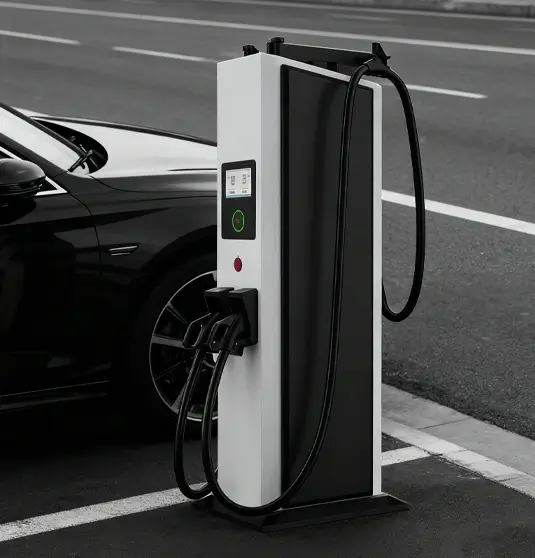
The split-type modular charging station can be optionally equipped with a Swing Arm Cable Management System, which reduces cable weight, keeps cables off the ground, and makes charging easier and cleaner. It enhances user comfort, reduces cable wear, and provides a smoother, more convenient charging experience.
Model | ZECO-4800-DF1 | ZECO-7200-DF2 | ZECO-9600-DF3 |
|---|---|---|---|
Technical parameters of power cabinet | |||
Max Power | Up to 480KW | Up to 720KW | Up to 960KW |
Input Voltage | 400VAC±10%-50/60Hz-3phase(CCS2 and GB/T) 480VAC±10%-50/60Hz-3phase(CCS1+NACS) | ||
Maximum input current | 2*384A(400VAC) | 2*576A(400VAC) | 2*729A(400VAC) |
Power factor | ≥0.99 | ||
Efficiency | >95% | ||
Measuring accuracy | Level 0.5 | ||
Output voltage range | CCS: 150~1000VDC | ||
Output current range | 480A@1000V | 720A@1000V | 960A@1000V |
Output modes | Up to 6 outputs and used as input for charging terminals | Up to 10 outputs and used as input for charging terminals | Up to 12 outputs and used as input for charging terminals |
Charging terminals | The charging terminal supports conventional single and double gun terminals, and liquid cooled charging terminals (optional) | ||
Human-computer interaction | 7-inch color touch LCD screen, LED display light, emergency stop switch | ||
Size and weight | 1000*2000*800mm /450kg (excluding modules) | ||
Protection level | IP54 | ||
Technical parameters of charging terminals | |||
DC Output voltage | 150V-1000VDC | ||
Number of gun | 2PCS / 1PCS | ||
Maximum output power | Regular: 250kW @300~ 1000V Liquid cooling: 480kW @300~ 1000V(optional) | Regular: 250kW @300~ 1000V Liquid cooling: 600kW @300~ 1000V(optional) | Regular: 250kW @300~ 1000V Liquid cooling: 600kW @300~ 1000V(optional) |
Maximum output current | Conventional: 250A Liquid cooling: 600A(optional) | Conventional: 250A Liquid cooling: 600A(optional) | Conventional: 250A Liquid cooling: 600A(optional) |
Power distribution | average 80kW single gun output, 80kW/160kW/240kW intelligent distribution | ||
Charging mode | automatically switches based on power, round charging, gun insertion, and timed switching. | ||
Communication | ISO15118 / DIN70121(between charger & vehicle) Ethernet/4G/OCPP 1.6J(TLS1.2) | ||
User interface | LCD 7 inch Touch Screen /RFID card and APP | ||
Versatility | EN/IEC 61851-1: 2019, EN/IEC 61851-23: 2014, UL 2202, UL2594 | ||
Security design | Over/under voltage protection, overload protection, current leakage protection, grounding protection, lightening surge protection | ||
DC Plugs | Cable 5M | ||
Energy Meter | CE certified | ||
Size and weight | Conventional charging terminal: 500 * 1750 * 260mm 155 kg/pileLiquid cooling charging terminal: 500 * 1750 * 350mm 190 kg/pile | ||
IP Level | IP54 | ||
other | |||
Warranty | 2 years | ||
Cooling | Air cooled / Liquid cooling | ||
Sound noise | <70DB in all directions | ||
Operating temp | -30℃ to +55℃ | ||
Humidity | Max.95%(non-regulating) | ||
Working altitude | ≤2000m, derated output above 2000m | ||
Ultra-High Power for All EV Platforms
Delivering up to 960 kW per power cabinet and supporting a wide 150–1000 V output range, the station is compatible with passenger EVs, commercial fleets, and heavy-duty vehicles. Optional liquid-cooled guns provide up to 600 A, enabling true ultra-fast charging with minimal downtime.
Flexible Split-Type and Satellite design
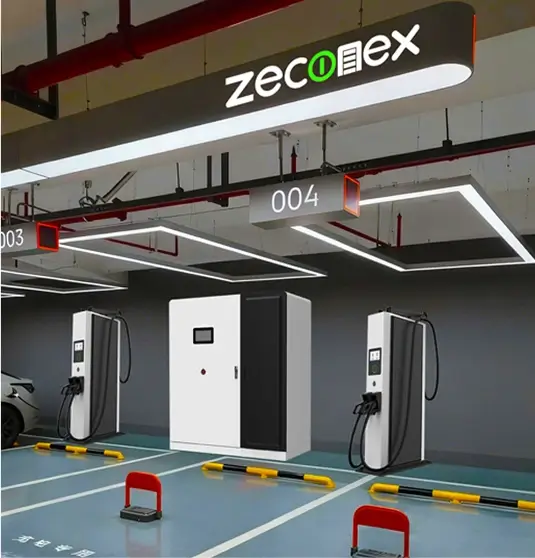
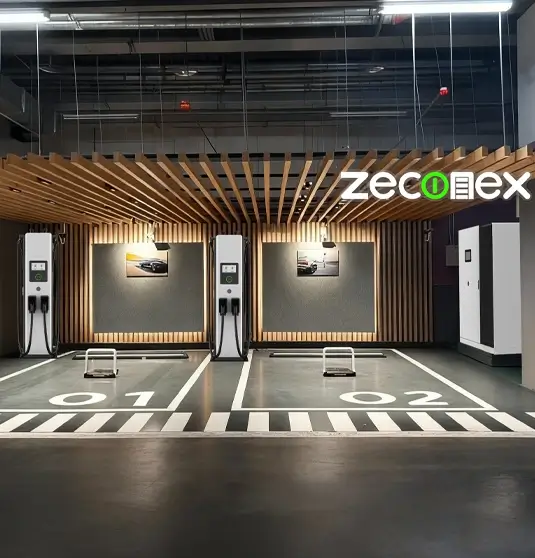
The separated cabinet and terminal design ensures low noise, reduced footprint, and highly adaptable site layouts. With 6–12 power outputs, terminals can be placed close to parking spaces, maximizing space efficiency and improving the user charging experience.
High Reliability with Low Maintenance
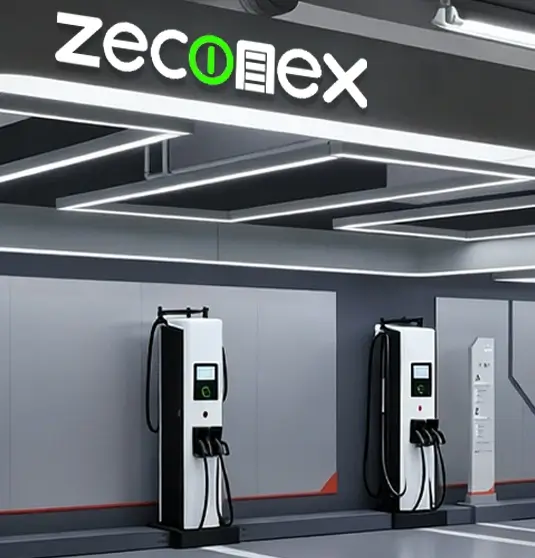
Featuring an independent air duct cooling system and G4 filtration, the station maintains a low failure rate even in demanding environments. High-quality components and modular construction simplify maintenance, ensuring stable performance from -30°C to +55°C.
Intelligent Power Management and Full Connectivity
Supports smart power distribution (80/160/240 kW per gun), boosting operational efficiency. Compatible with ISO15118, OCPP 1.6J, and supports remote monitoring, diagnostics, and OTA updates, enabling seamless integration into modern charging networks.
Application Scenarios
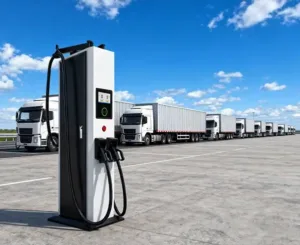
Fleet
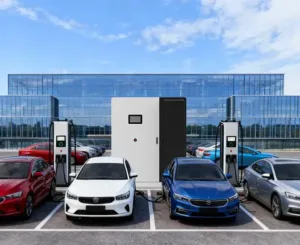
Workplace
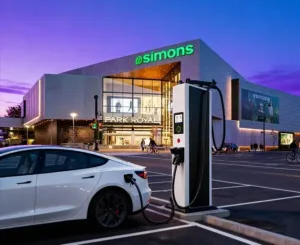
Commercial
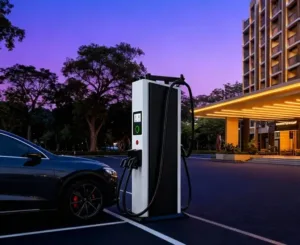
Hotel
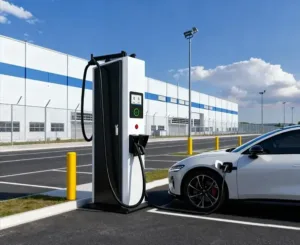
Industrial
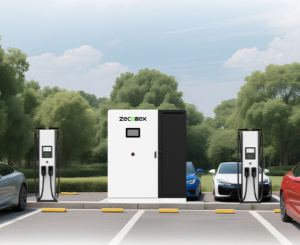
port
Comprehensive Support
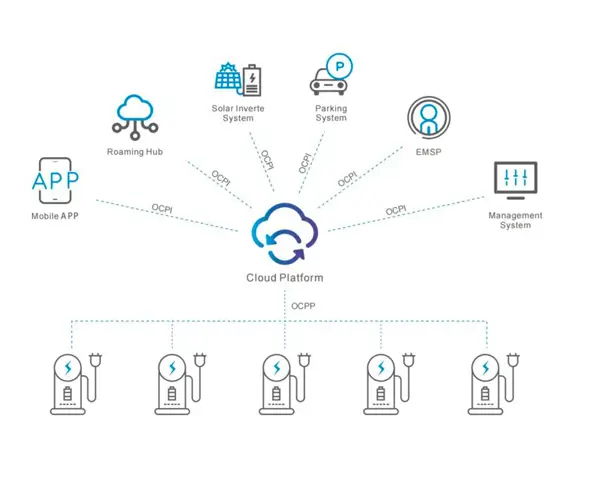
Cloud Platform
Dedicated to enabling the future of e-Mobility with the most open, secure, and robust charging network, our cloud-based EV charging platform makes it easy for operators to manage and customize chargers to their exact needs.
We provide everything required to deliver a complete charging ecosystem, including a management system, mobile app, and seamless interoperability across networks and hardware.
OEM/ODM Service
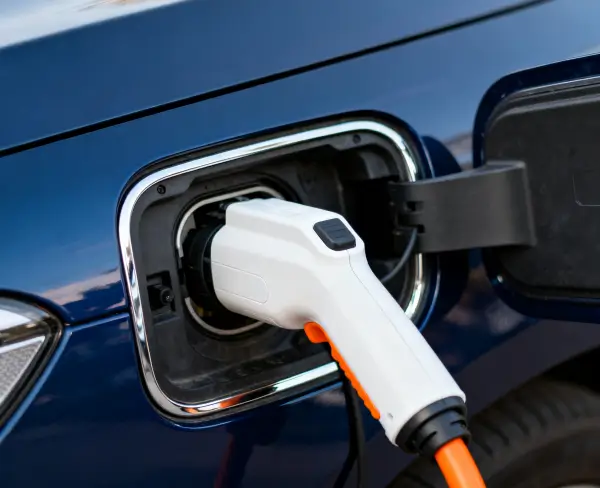
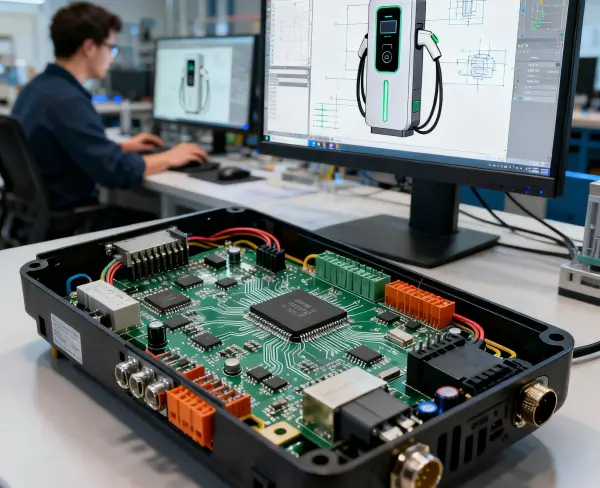
Our experienced R&D teams in China and abroad specialize in international charging protocols, enabling us to provide reliable OEM and ODM services for clients worldwide.
Comprehensive After-sale Guarantee
If the product is damaged or malfunctions due to manufacturing defects, Zeconex will provide free maintenance or replacement of parts to ensure reliable long-term operation.
Related Products
Faq
The main difference is how fast the system can charge multiple vehicles and how many cars it can handle without slowing down during peak hours.
A 480 kW solution is ideal for mid-size commercial sites with steady traffic, while 600–720 kW systems are better for highway locations and transit hubs that experience constant turnover.
If you’re running a taxi fleet, logistics depot, bus fleet, or any site where every minute counts, a 960 kW station is the most efficient because it maintains high-power charging across multiple vehicles simultaneously.
It depends less on the size of the location and more on the number of charging sessions per day. Sites that charge under 150 vehicles a day are normally fine with 480 kW, while locations charging 150–300 vehicles daily benefit from 600–720 kW to prevent long queues.
When the volume exceeds 300 sessions a day, especially where drivers cannot afford long waits, stepping up to 960 kW provides the best throughput and return on investment. With modular split systems such as ZECONEX, you can start lower and scale up later without replacing the whole installation.
Each brand has strengths, but operators who prioritize multi-vehicle fast charging, flexible deployment, low terminal noise, and easy power expansion are increasingly choosing ZECONEX because of its modular split architecture and high-capacity liquid-cooled charging options.
Tesla systems are powerful but locked into a closed ecosystem, while most traditional brands require fixed installation layouts rather than offering flexible parking-based terminal placement.
For commercial parking lots and retail charging where dwell time is longer, 480–600 kW usually delivers the right balance between cost and performance. Highways and national transit corridors operate with short stops and high turnover, so 600–720 kW helps avoid congestion.
Dedicated fleet hubs for ride-hailing, logistics, heavy trucks, and buses gain the most from 960 kW systems because they support large battery packs and fast turnaround requirements without slowing down as more vehicles arrive.
Regular air-cooled charging cables that support up to 250 A are perfectly adequate for most private EVs, but liquid-cooled cables that support up to 600 A make a dramatic difference when charging commercial EVs, high-voltage platforms, or heavy-duty electric trucks.
If your charging site depends on rapid vehicle turnover or if your customers expect the shortest possible charging time, liquid-cooled cables are not just a luxury—they’re a key profitability factor.
Split-type chargers place the power cabinets in a separate area while the low-noise charging terminals sit close to the parking spaces. This keeps the charging experience comfortable, eliminates noise pollution, and allows vehicles to plug into any parking spot without waiting for a specific “fast stall.”
Smart power allocation ensures every EV receives the fastest charge possible, and service technicians can replace individual modules without shutting down the entire station. In busy environments, this architecture results in more uptime, more charging sessions, and higher revenue.
For the vast majority of commercial applications—including highway rest areas, parking lots, logistics hubs, and public charging sites—IP54 already provides reliable protection against dust and heavy rain.
Higher IP ratings are only necessary in extreme environments such as coastal regions with salt air, desert areas with frequent sandstorms, or heavy industrial zones with corrosive chemicals. It’s not about choosing the highest possible IP rating, but the one that realistically matches the environment in which the station will operate.
The most impactful factors are total power rating, maximum charging current, intelligent power distribution between multiple stalls, and the ability to monitor and troubleshoot remotely. Stations that support high-current liquid-cooled charging and deliver full power to multiple vehicles at once consistently show the highest throughput and lowest operational downtime. ZECONEX supports all of
Looking For an EV Charger Manufacturing Expert?
Submit Your Request
We’re always excited about your message, so feel free to get in touch, and we will reply to you within 2 hours.