
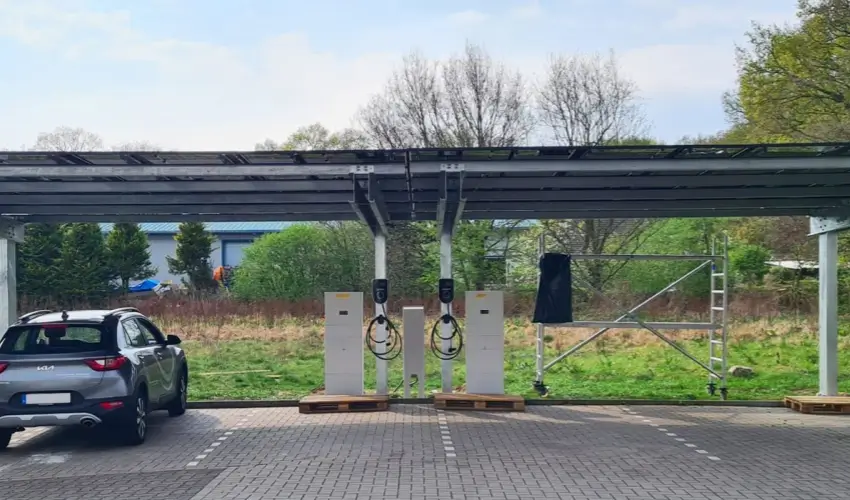
As electric vehicles (EVs) continue to gain traction across North America, Europe, and Australia, one question keeps coming up among drivers, especially those outside major cities: Can you charge an EV in rural areas? The short answer is yes—but it requires understanding the current landscape, planning, and recognizing how infrastructure is evolving rapidly.
With global EV adoption accelerating, rural EV charging has moved from a niche concern to a critical piece of the transportation puzzle. Rural residents often drive longer distances than their urban counterparts, making reliable access to chargers essential for daily commutes, long-haul trips, farm operations, and recreational travel in RVs or to remote destinations.
This guide breaks down why rural EV charging matters, the current state of EV charging in rural areas, the real challenges, practical planning strategies, and the significant commercial opportunities for businesses. Whether you're an EV owner tackling rural EV travel, a hotel operator considering destination charging, or a farm owner exploring rural electric vehicle charging solutions, you'll find actionable insights here.
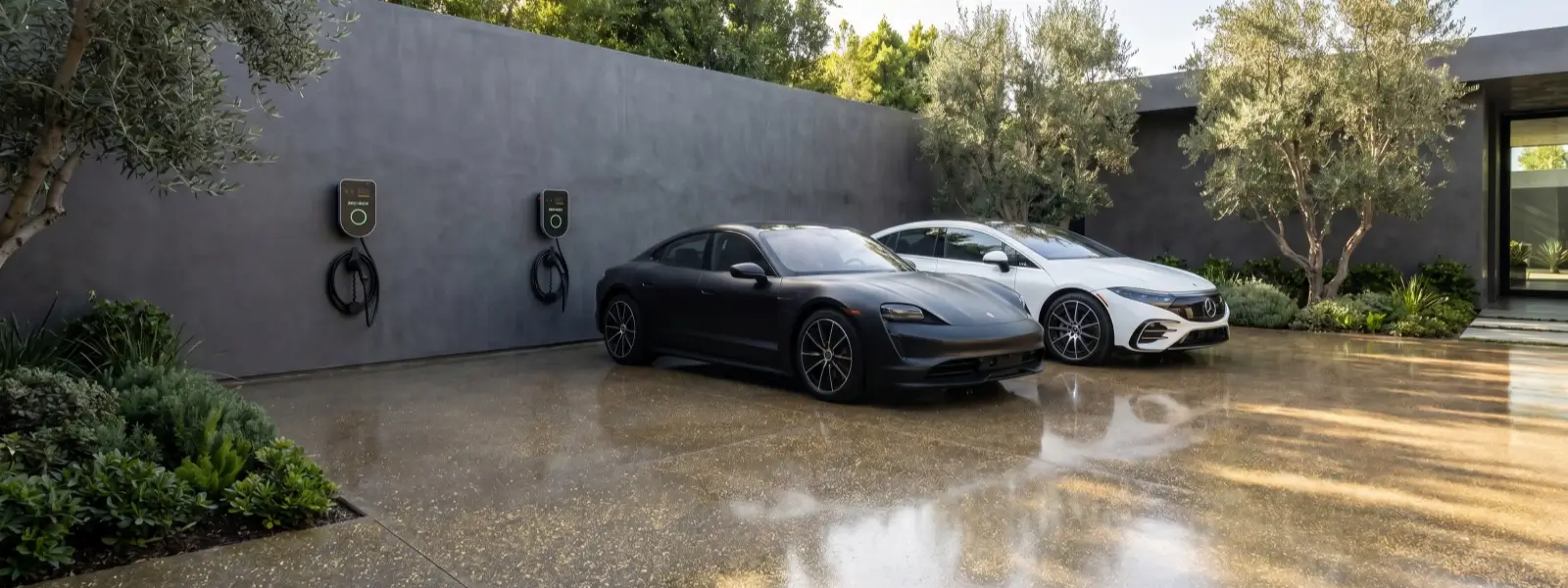
Why Rural Charging Matters More Than Ever
Rural areas represent a substantial portion of driving in countries like the US, Canada, the UK, and Australia. In the US, rural roads account for nearly 70% of total road miles, and rural drivers log more miles annually. As EV sales grow—supported by improving battery ranges and policy incentives—the demand for rural EV charging stations is surging.
Key drivers include:
Longer travel distances: Highway corridors connecting cities to remote regions need reliable stops.
Economic and environmental benefits: EVs reduce fuel and maintenance costs, vital for agriculture, tourism, and small businesses.
Equity in clean transportation: Rural communities deserve access to zero-emission mobility, just like urban ones.
Tourism and recreation: RV owners, campers, and road-trippers increasingly rely on EVs.
Programs like the US National Electric Vehicle Infrastructure (NEVI) Formula Program have directed billions toward filling gaps along Alternative Fuel Corridors, prioritizing rural and underserved areas to reduce EV range anxiety. Similar initiatives in Canada, the UK, and Australia focus on regional connectivity.
The result? Rural charging infrastructure is expanding, though unevenly. Drivers no longer need to fear every backroad trip.
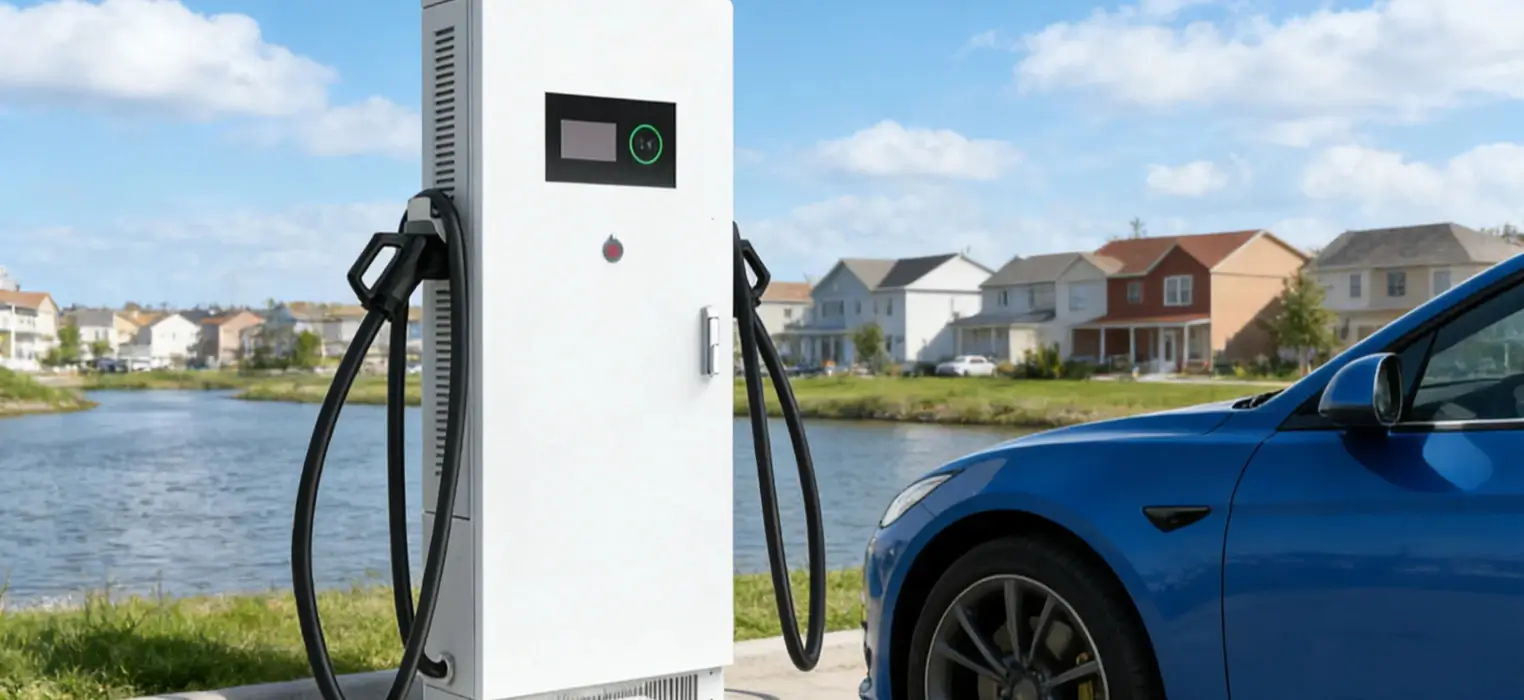
Are There EV Charging Stations in Rural Areas?
Yes, and the network is growing faster than many realize. While urban areas still dominate total installations, rural coverage has improved significantly by 2026.
In the US, public charging ports have grown substantially, with NEVI-funded stations helping bridge rural gaps. States like Wyoming and North Dakota show high ratios of chargers per EV due to proactive rural-focused deployments. In Canada, public chargers exceed 34,000 ports as of early 2025, with efforts targeting remote communities. The UK reports about 17% of public chargers in rural areas, roughly matching population distribution.
Rural EV charging stations often appear at:
Highway rest areas and truck stops.
Small-town hotels, motels, and campgrounds (destination charging).
Convenience stores and gas stations evolving into multi-energy hubs.
Farms, wineries, and tourist spots offering Level 2 charging.
The ZECONEX Supercharger Network played a key role by opening thousands of charging stations to car owners.
Still, distribution remains sparser than in cities. This leads us to challenges.
Top Challenges of Charging an EV in Rural Areas
Greater Distance Between Chargers
The most obvious issue: chargers can be 50–100+ miles apart on some routes. This demands better planning than urban driving.
Limited Fast Charging Availability
Many rural sites offer Level 2 (slower) charging, with DC fast chargers concentrated on major corridors. NEVI helps, but rollout takes time.
Charger Reliability
Uptime matters more in remote spots where alternatives are scarce. Weather, vandalism, or maintenance delays can impact service. Leading CPOs now prioritize robust monitoring and rapid response.
Weather Impact
Extreme cold reduces battery efficiency and range (sometimes a 20–40% loss), while heat affects charging speeds. Snow or ice can complicate access. Winter rural EV travel requires conservative planning.
Cellular Coverage Challenges
Many apps rely on a good signal for locating stations, initiating sessions, or making payments. Offline-capable tools and satellite options (like some newer vehicles) help mitigate this.
These hurdles are real but increasingly addressable through technology, planning, and infrastructure growth.
How to Plan EV Travel in Rural Areas
Effective planning turns potential stress into smooth travel:
- Use multiple apps: Combine PlugShare, ABRP (A Better Route Planner), Google Maps, and manufacturer apps. Check real-time status and user reports.
- Pre-trip battery management: Start with a full charge. Factor in elevation, weather, speed, and payload.
- Identify destination charging: Book hotels or campgrounds with Level 2 EV chargers for overnight top-ups.
- Buffer time and range: Add 20–30% safety margin, especially in cold weather.
- Backup plans: Know nearby Level 2 options or even friendly businesses with outlets.
- Monitor efficiency: Drive smoothly, use eco modes, and precondition the cabin while plugged in.
For how to charge an electric car in rural areas, prioritize public DC fast when needed, but rely on slower charging during longer stops. Tools like in-car navigation with live data have improved dramatically.
Understanding Rural EV Charging Options
Level 1 Charging
This uses a standard 120V outlet (or equivalent). It adds roughly 2–5 miles of range per hour—best for overnight at home or very long stops. In rural settings, it's a low-cost backup but impractical for quick top-ups.
Level 2 Charging
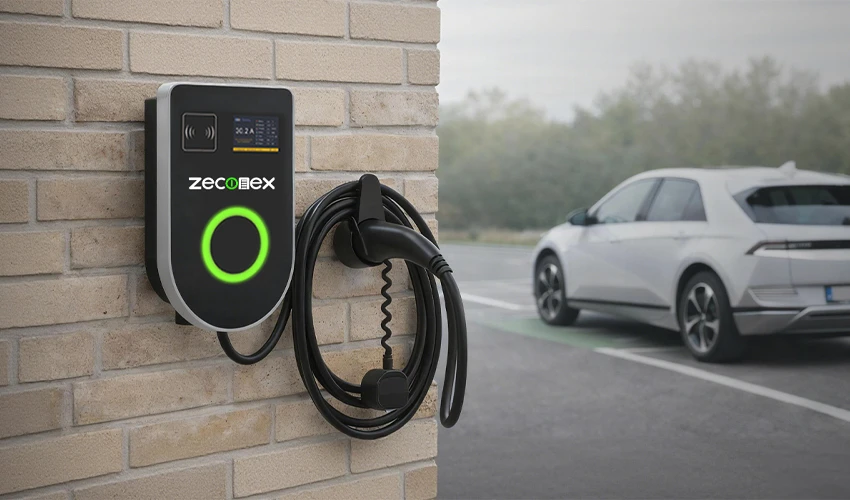
Operating at 240V, these deliver 10–60+ miles per hour. Ideal for destination charging at hotels, farms, stores, or workplaces. A 7–11 kW unit is common for commercial sites. Installation is relatively straightforward and cost-effective, making Level 2 EV chargers popular for rural businesses.
DC Fast Charging
These provide 100–350+ kW, adding 100–200+ miles in 20–40 minutes. Essential for long trips. NACS is becoming the dominant standard in North America, simplifying access across networks. Battery-backed systems allow deployment in grid-constrained rural areas without expensive upgrades.
Best charging options for rural EV drivers combine all three: home/farm Level 2 for daily use, destination Level 2 for stops, and DC fast for highways.
Rural EV Charging FAQs
1. Can you charge an EV in rural areas?
Absolutely. While options vary by location, the network is expanding, and planning makes it feasible.
2. How to charge an electric car in rural areas?
Use apps for locations, prioritize overnight Level 2 where possible, and use DC fast for quick boosts.
3. What are rural electric vehicle charging solutions?
Mixtures of public fast chargers, destination Level 2 at businesses, solar-integrated systems, and battery storage for weak grids.
Other common questions cover costs, session reliability, and compatibility—most resolved by NACS adoption and better apps.
The Future of Rural EV Charging
The outlook is promising. Key trends:
NEVI and similar programs: Continuing to fund corridor and community chargers, with lasting impact on rural connectivity despite implementation pauses.
NACS standardization: Streamlining the electric vehicle charging network across brands.
Battery-backed DC Fast Charging: Enables high-power charging in remote spots with limited grid capacity by storing energy off-peak.
Solar EV Charging: Perfect for rural sites. Examples include solar-powered Level 2 stations in California that operate off-grid or with storage, reducing costs and emissions.
Hybrid business models: Revenue from charging + increased foot traffic for retail, lodging, and agriculture.
By 2030–2035, expect denser rural coverage, smarter integration with renewables, and V2G (vehicle-to-grid) capabilities. Future of rural EV charging infrastructure points toward reliability rivaling traditional fuel stops.
Why Rural Businesses Should Install EV Chargers
Deploying commercial EV charging isn't just altruistic—it's smart business. Hotels, convenience stores, farms, campgrounds, and retail sites see:
Increased dwell time: Guests or customers stay longer, spending more.
New customer segments: Attract EV travelers, RVers, and eco-conscious tourists.
Revenue streams: Charging fees plus ancillary sales.
Competitive edge: Differentiation in rural markets.
Sustainability credentials: Appeals to grants, incentives, and corporate clients.
Rural charging infrastructure at a business can pay back through higher occupancy and loyalty. For example, a motel adding Level 2 chargers can become a preferred stop on long routes.
Conclusion
Rural EV charging has evolved from a barrier to an opportunity. While challenges like distance and weather persist, better planning tools, expanding networks, standardized connectors like NACS, and innovative solutions such as battery-backed and solar systems are making EV charging in rural areas more practical every year.
For drivers, the key is preparation and embracing the quieter, lower-cost EV lifestyle; for businesses and communities, installing chargers puts you at the forefront of the energy transition.
If you're a rural business owner, property manager, or project lead exploring options, professional guidance ensures the right mix of commercial DC Fast Charger and Level 2 Commercial Charger solutions tailored to your site, grid conditions, and customer needs. Many suppliers now offer flexible OEM/ODM EV charging solutions that integrate renewables and storage for optimal performance and ROI in rural settings. Reaching out for a site assessment and customized proposal is a low-risk first step toward capturing the growing wave of EV travelers.
The future of driving—rural or otherwise—is electric. With the right infrastructure in place, range anxiety fades, and new possibilities open up for drivers and communities alike.