
Professional EV Charger Manufacturer In China
Home / EV Charger
Your One-stop EV Charging Solution Provider
Zeconex is an all-in-one EV charging solution provider offering a range of EV chargers. We manufacture portable, home, commercial, DC fast, and digital EV chargers for all types of applications and locations. What's more, Zeconex offers both EV charging stations and software as well.
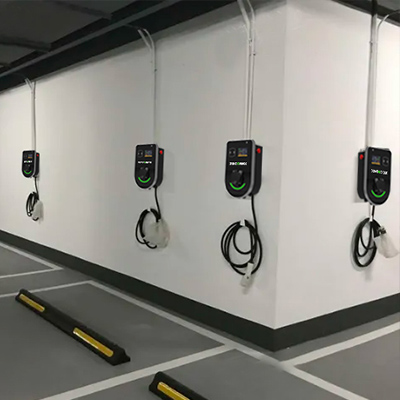
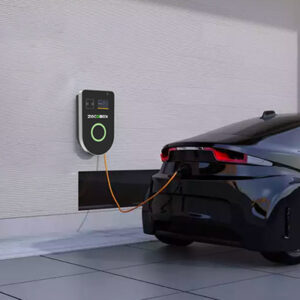
Home EV Charger
ZECONEX Home EV Charger provides 3.5KW, 7KW, 11KW, and 22KW power options, designed for home users to meet different charging speed requirements.
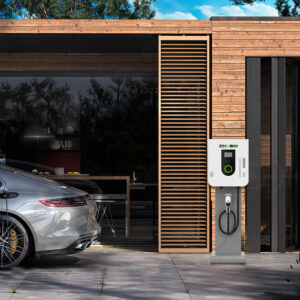
Commercial EV Charger
ZECONEX Commercial EV Charger is suitable for commercial and public charging stations, providing efficient and stable charging service to meet a variety of commercial needs and high-traffic scenarios.
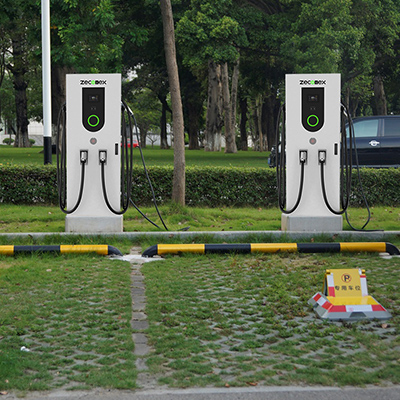
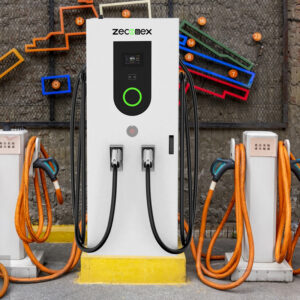
DC Fast EV Charger
ZECONEX Fast EV Charger is designed for users who seek a fast-charging experience, quickly replenishing the power of electric vehicles and improving charging efficiency.
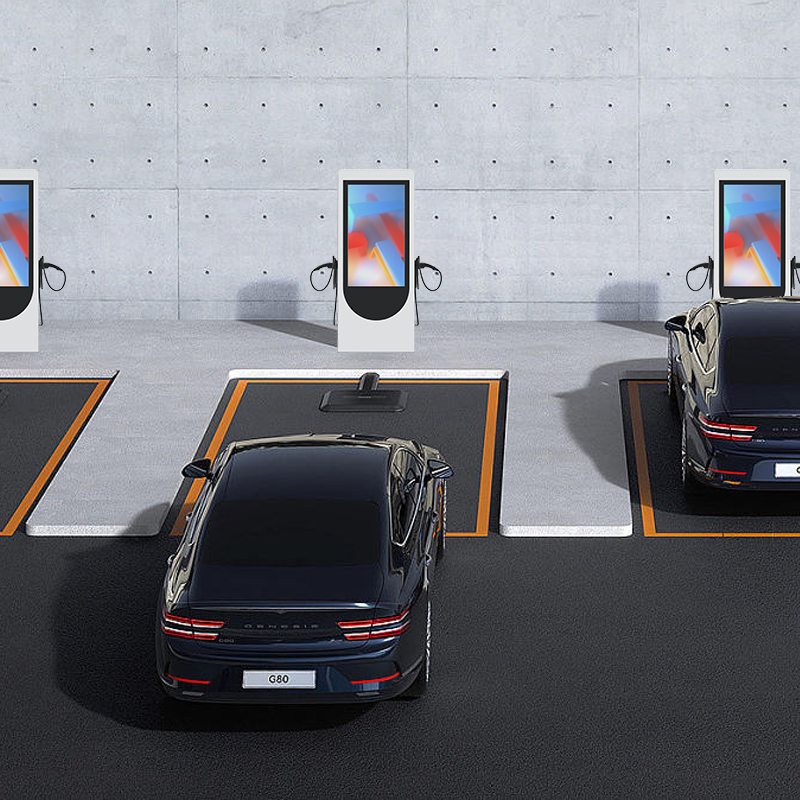
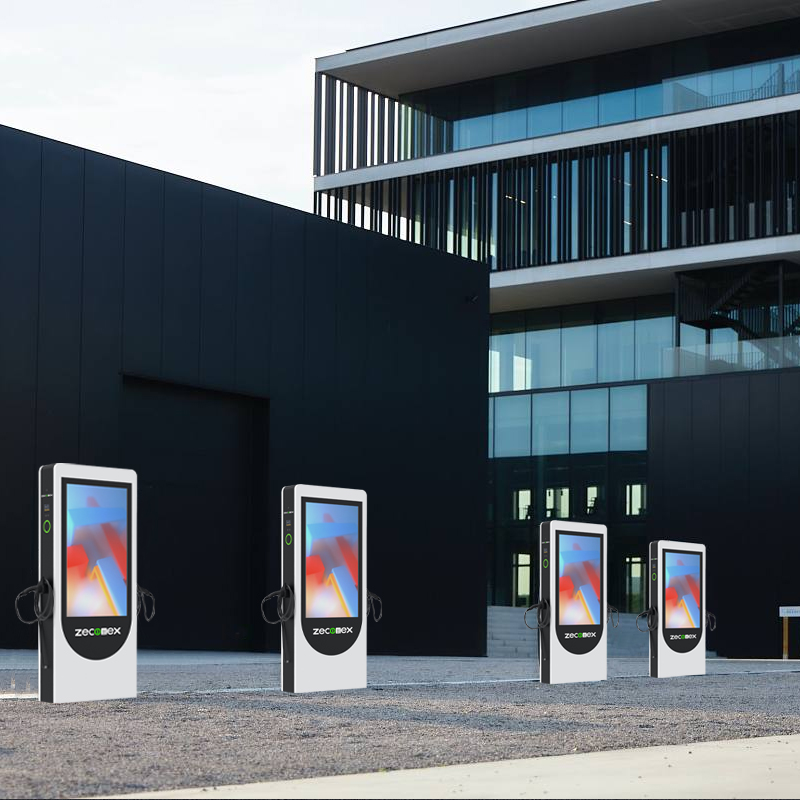
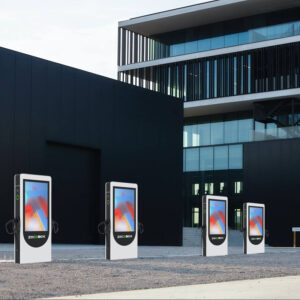
EV Charger With Digital Display
ZECONEX EV Charger With Digital Display features an intuitive digital display that shows charging status, power level, and other information in real time, allowing users to understand the charging process at a glance and enhancing the user experience.
EV Charger Applications
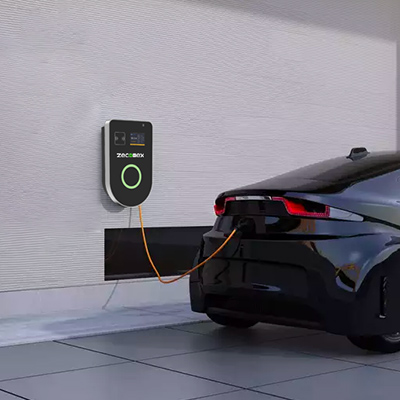
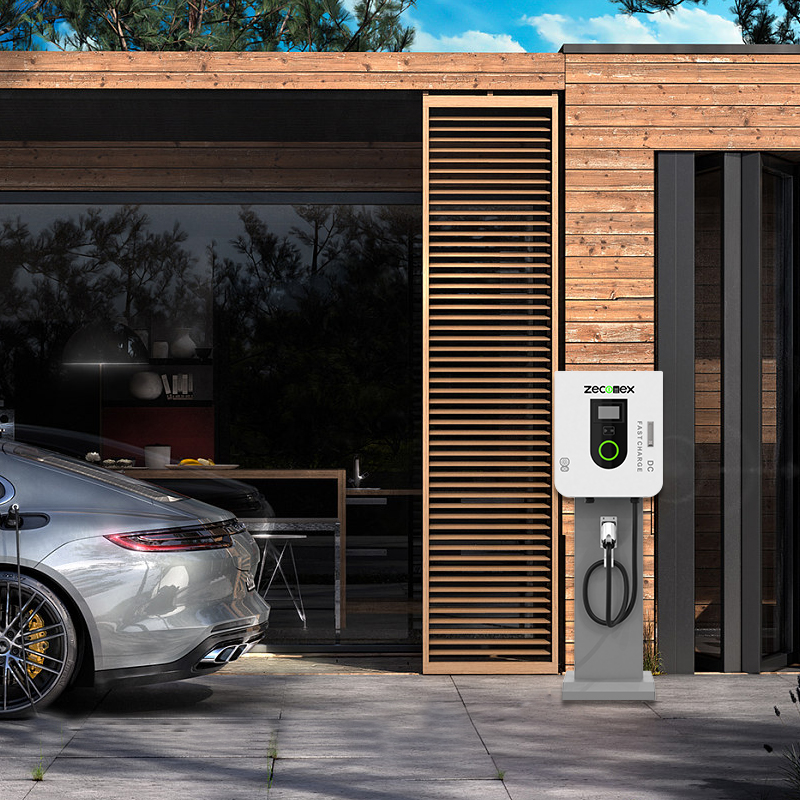
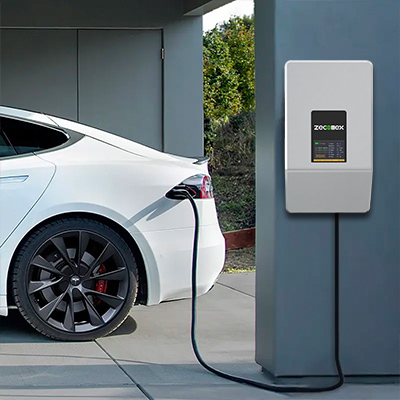
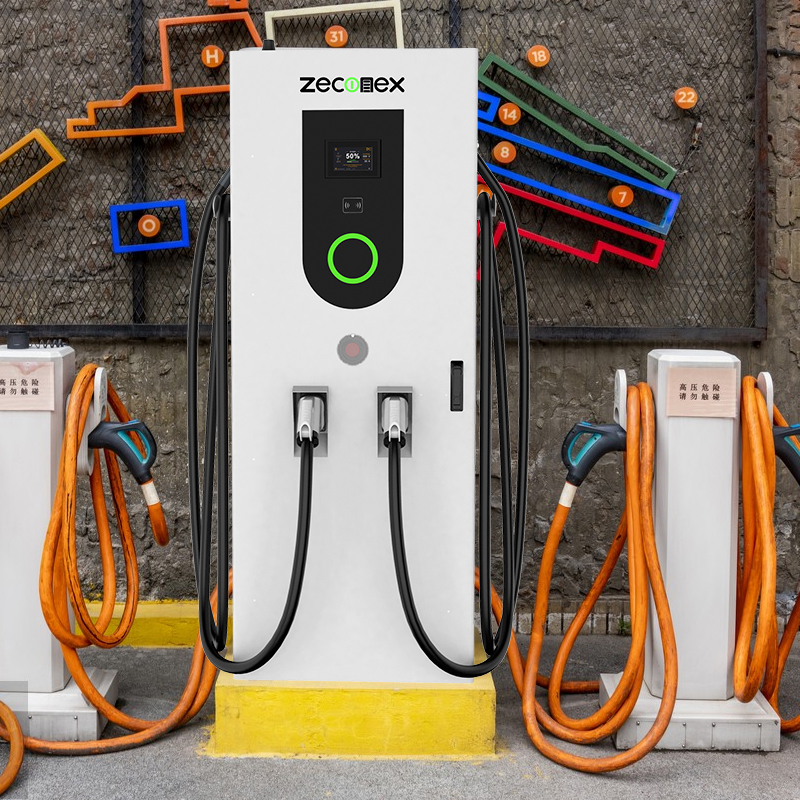


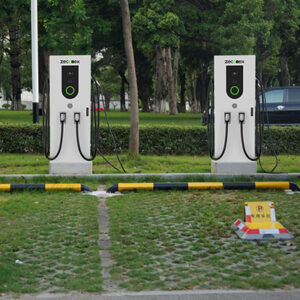

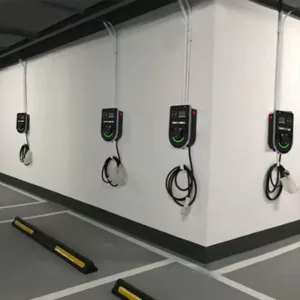
Our Solutions For the Public
We provide everything that’s needed to build a charging business, from charging facilities to customer services and smart energy management solutions. You can either manage your own network of charging stations or provide the service for other charger operators. All solutions are white-labelled and can be customized to meet your customers’ needs.
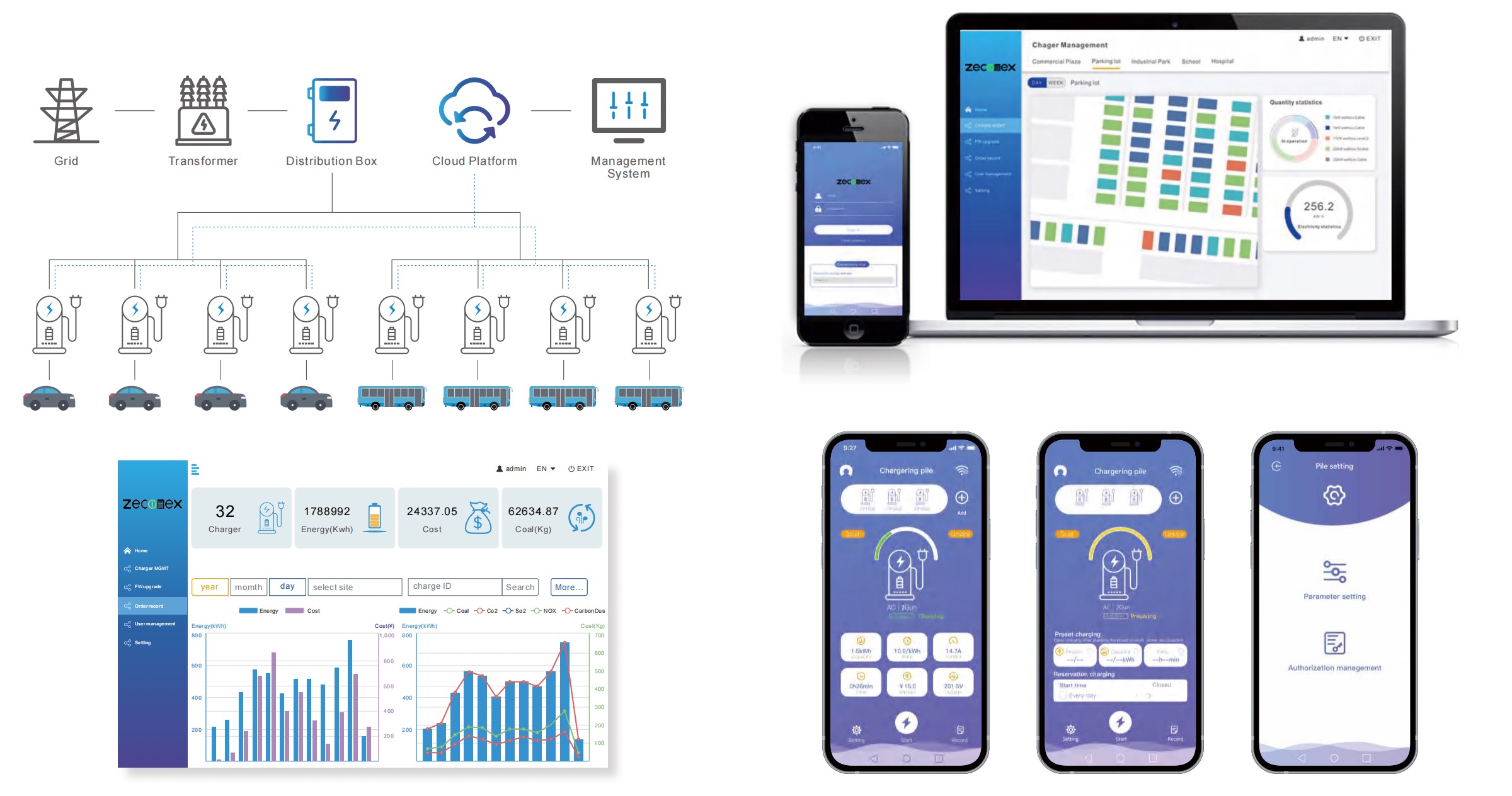
Our solutions for home use
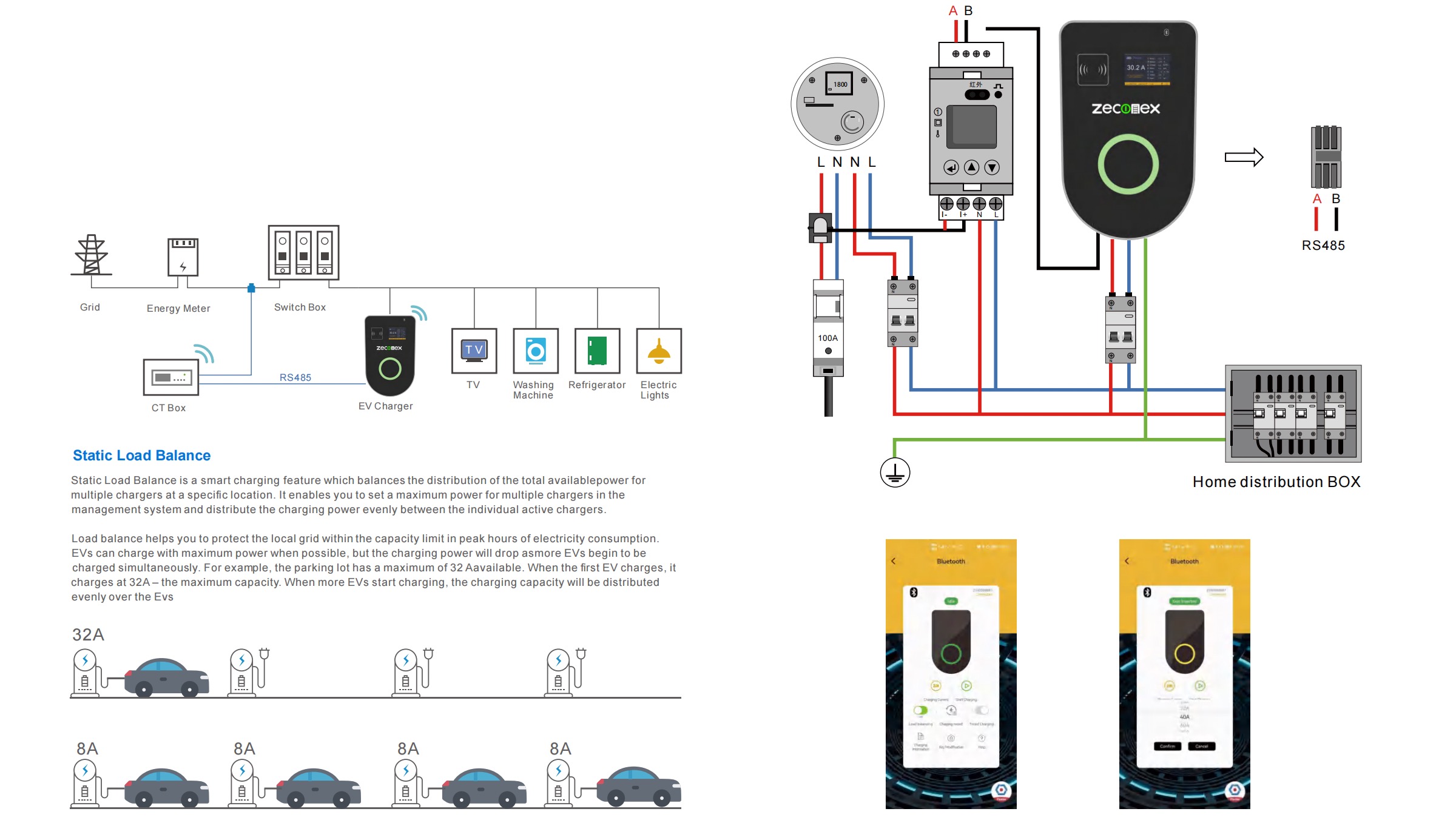
Dynamic Load Balance
Dynamic Load Balance is a smart charging feature that balances the distribution of the total available power between chargers and other loads within the building in real time. It not only protects appliances, but also ensures EVs are fully charged at the lowest cost.
CT box monitors the total energy consumption and reports to the management system. The system controls the charging power of each charger automatically to avoid overloading when chargers and other loads are being used simultaneously.
Why Choose Zeconex?
10+ Years Factory Direct
More than 10+ years Leading Manufacture in EV Charging Industry.
Strong R&D
We keep on innovation and products developing all days to meet the edge-leading demand of the market.
One-stop Resource
We are a total-solution provider of hardware and software, as well as one-stop customization.
Production Capacity
We own 3 factories more than 300 employees and over 20,000 square meters, each factory focus on different products line.
Certificates
We only focus on the best quality ev charging products to make sure our business partners relieved and long time working with us.
OEM/ODM Customization
Our top R&D team both in China and abroad, with rich experience in international protoco, which support us to offer OEM/ODM service for our clients all over the world.
FAQ
Here you can find answers to frequently asked questions about electric vehicle charging stations.
Just like your mobile phone, you need to charge your electric vehicle to make it run properly. An EV charger helps to charge your electric vehicle. EV chargers help you keep the battery of the electric vehicle full. You will be amazed to know that it is as simple as charging your cellphones.
You just need to have an EV charger and connect it to your vehicle. It actually charges your vehicle by supplying electric power to it. Note that your EV chargers can be either an AC fast charger or a DC fast charger.
Basically, the EV chargers work by pulling current either through the grid or a 240V outlet. This is how it delivers electricity to your vehicles. In other words, it is similar to plugging your car and charging it just like any other chargeable device. According to car experts, J1772 is the most common plug used in electric vehicle chargers.
On the other hand, the J1772 plug may not work with Tesla electric vehicles. You have to make sure that your EV chargers have the right plug to get your electric vehicle charged. If you own a Tesla electric vehicle, then there is a separate Tesla wall connector. You cannot use a Tesla charger for a non-Tesla electric vehicle.
1.1 Charger Level
There are two types of home charging: Level 1 charging and Level 2 charging. Level 1 chargers are typically included with the purchase of a new car. One end plugs into any standard 120-volt (V) outlet, and the other end plugs directly into the car.
Level 1 chargers are the least expensive and also the slowest way to charge your EV. It can take more than 12 hours to fully charge your car. If you routinely drive long distances, you may want to consider a Level 2 charger, which will charge your car faster.
Level 2 chargers typically are sold separately from the car, although they’re often purchased at the same time. These chargers plug into a 240V outlet or may be hardwired to a 240V line, and have a universal SAE J1772 connector.
This connector is compatible with all BEVs and PHEVs in the North American market. Tesla chargers and cars have a modified version of the SAE J1772connector. Every Tesla car comes with an SAE J1772-to-Tesla adaptor, enabling the driver to charge at most charging stations.
1.2 Electrical Panel
Determine whether your electrical panel can accommodate the electrical load of the charger. This will tell you what capacity of chargeryour existing panel can handle or whether you’ll need to upgrade it.
An electrical upgrade will increase installation costs, so you may want to consult an electrician to help make this assessment.
1.3 Cost
A good Level 2 charger will cost between $500 $900*, depending on the type you buy. Installation costs will add another $500 to $1,500, depending on the complexity of the installation.
A Level 1 charger may not cost anything to install, as these chargers typically come with the vehicle, and most houses are already equipped with 120V outlets. Installation costs vary widely based on labor, wiring, and additional features specific to your site.
1.4 Charging Speed (Amperage)
Level 2 home charging stations operate at a voltage of 220V-240V. The fastest charging you can get out of your equipment depends on two factors:
• The amperage (A or“amps”) of the charger
• The car’s acceptance rate in kilowatts (kW)
You may want to consider buying a charger that can handle at least 30 amps. Even if you don’t need it for your first EV, having the additional capacity will avoid the need to upgrade in the future and will not damage the car. Note that a 30-amp charger will need a circuit breaker rated for at least 40 amps.
1.5 Wall Connection Options
There are two ways to connect a Level 2 charging station at your home: permanently installed (hardwired to your electrical panel and not portable) or plugged into an electrical outlet.
Two types of plugs are commonly used with EV chargers: the NEMA 6-50P (welder plug)and the NEMA 14-50P (looks like a stove plug), so if you choose a portable charger, the outlet you install must match these plug types.
You may already have an outlet that can accommodate these plugs somewhere close to your garage or parking space, which could reduce the cost of installation.
1.6 Charger Location and Length of EV Charging Cable
Before you buy an EV charger, think about where you’ll park your electric vehicle at home. Where would be the most convenient location for a charger? If you have a garage, a great option is to put the charger on the wall inside the garage.
Other good options are to place it on an exterior wall of the home or garage or on a post. Not all chargers can be installed outdoors, but if you need to place them outdoors, check to see if it will require a NEMA 4 enclosure, which protects the equipment from rain, sleet, and snow, and from splashing or hose-directed water.
If you decide to place the charger on an outside wall or post, be sure to choose a location that will not interfere, or be interfered with when clearing snow in the winter.
Just remember that the longer the distance of the new wiring that needs to be added, the more the project will cost. When selecting the length of your charger cable, make sure the cable can easily reach where you’ll park your car, and think about whether you want to accommodate the potential for a second plug-in car in your driveway or garage.
Cables usually run from approximately 12 to 25 feet. Extension cords or adapters should not be used to reach the power supply. Measure the distance between where the charger will hang on your wall and where you are most likely to park, and take into account where the charging port is in your car.
1.7 Locking System
If you live in a densely populated area and you’re planning to install your charger outside using a NEMA 6-50P or NEMA 14-50P plug, we recommend you choose a charging station with a locking mechanism to prevent theft.
It’s a simple step that can save you a lot of inconvenience.
You cannot truly realize the importance of electric vehicles unless you put the associated infrastructure in place. The electric vehicle is actually a great way to reduce emissions and, hence, global warming. According to some authentic reports, electric vehicles make up about 8% of the global sales of vehicles.
Seeing the progress in the increasing demand for electric vehicles, manufacturers are investing a great amount of money in EV Chargers.
The two main types are residential and commercial EV chargers. Although they lie on the same target line, they still face some challenges. Those challenges are listed below:
Challenges Faced By Residential EV Charging
Ampere Rating may not meet the needs of every EV user.
Slower Charging
Property Ownership. For example, apartment-living users may find it difficult to access the EV chargers. Challenges Faced By Commercial EV Chargers
Too expensive
The person establishing the commercial EV charger may face bureaucratic hurdles. For example, import duties and licence problems.
These EV chargers may not be located in the right place. Hence, it reduces its demand.
According to some resources, it has been found that a bigger picture of electric vehicles is communicated by the International Energy Agency. This publication is known as the Global EV Outlook. The importance of communities shifting towards EVs has been made clear by EIA over the past years.
It was found that EVs are found to be economically and environmentally beneficial when being charged by electric vehicle chargers.
Some major benefits of EV chargers are listed below:
Clean Environment - Reduced Emissions
According to the California Air Resources Board, 50% of smog in California comes from vehicles. These are powered by diesel-powered and gas-powered engines. This situation creates air pollution that is quite harmful to human health. Different communities can take a step to reduce air pollution by shifting to electric vehicles.
In other words, a wide range of contaminants will be removed by completely shifting to electric vehicles.
As a result, you will see a lot of improvement in the air quality of your country. This ensures that electric vehicles are ideal for creating a clean environment.
Lower Cost Of Driving
According to studies, it has been estimated that electric vehicles cost very little to run and maintain. This is found when electric vehicle costs are compared to gas-powered vehicles. Communities supporting Electric vehicles and EV chargers get more economic stability as compared to those that don't.
Electric Vehicles Make Way For Clean Transportation
Electric vehicles are easier to share, connect, and automate. Since there will be less congestion, emissions, and accidents, there are more chances of clean transportation.
In such a clean driving environment, every adult will be able to drive in their own safety.
The connected data generated by electric vehicles also gives rise to better planning when utilized by transport planners.
EV Chargers Have The Ability To Increase The Value Of Property.
According to a survey, it was found that several apartment renters may not be interested in renting without green amenities. If you install the EV chargers on your property, it will increase the value of the property by attracting more EV owners.
Even so, many states have the right to install EV chargers in their parking lot.
EV Chargers Can Help To Achieve Climate Change Goals.
As mentioned earlier, EV chargers can help to reduce emissions in the best possible way. This shows that there will be less pollution. And a lower pollution level leads to ease in achieving climate change goals.
EV Charging communities Get Better PR
It is not necessary that everyone must follow EVs. However, few people support EV charging systems since it is the right thing to do. As a matter of fact, if any politician or business works for the betterment of the community, it gets more chances for better PR.
With EVs, there are more ways to feel good, and the communities become healthier as well.
EV chargers also possess some disadvantages, just like having great advantages. These disadvantages are listed below:
The EV charge that you will use may consume a lot of your time. It is due to the type of charger source that you will use. As explained earlier, the different time duration is taken by each level of EV chargers.
There might be the possibility that you do not find the EV chargers in your surroundings. This situation has the highest chance of occurring in developing countries. For example, some countries haven't introduced EVs yet. You may find it hard to get an EV charger in those countries. In such cases, investment in an EV can be only a waste of money.
EV chargers are highly expensive, especially when you buy a Level 3 EV Charger. However, you need to have one that can fulfill your needs easily. For example, level 1 and level 2 EV chargers.
Even though EV chargers are a great way to reduce pollution, there are still some minimal chances of pollution. You cannot avoid that pollution at any cost. However, this disadvantage is negligible since the rate of pollution is much lower than in gas-powered and diesel-powered vehicles.
Due to their high advantages, electric vehicles are getting more popular every single day. The increasing demand for the use of electric vehicles shows that they are no longer limited at all.
The use of electric vehicle charging is imposing clean energy as a real-life possibility. As a result, EV owners are looking for options for home charging and commercial charging.
Given the current situation described above, it is important to choose the right EV charger. However, this might not be an easy task when you are a beginner. If you don't know how to choose the right EV charger, you can now make the right decision. You have to continue reading!
There are some main considerations that one should always follow when looking for the right EV charger. These considerations are listed below:
Type 1 or Type 2 EV Chargers
The choice of your charger greatly depends on your location as well as the type of charger that you need. Note that Type 1 EV plugs are more generally limited to Asian and American vehicles.
On the other hand, EVs in Europe are type 2 EV chargers. There is also a universal connector. The universal connector is known as the J1772 connector.
It is interesting to note that you can use two different cables to connect EVs easily.
The right choice of the charger also depends on your travel distance and the time spent charging. Moreover, it will also be dependent on whether you are running a business or have a single vehicle to charge.
Single-Phase Chargers Or Three-Phase Chargers
When you buy standard domestic power sources, you will realise that they use single-phase AC. On the other hand, commercial EV chargers work through a Three-phase AC. An important thing to note is that you can make use of charging cables to switch from single to three-phase charging. This will make your electric vehicle more versatile.
This is how most vehicles can be charged by Type 1 as well as Type 2 chargers. If you are having a business, then you should try to use fast chargers.
16 Amp or 32 Amp
The charging time of your electric vehicle also depends on the requirements of amperage. Moreover, it will also depend on the model of your electric vehicle.
It is a common fact that public EV chargers will give you either 16 amperes or 32 amperes. If your vehicle accepts 16 amps, then you should note that it will take 7 hours to get charged.
Some EV charging stations in the UK provide 13 amps. However, this will take more than seven hours to complete your charging.
For a larger battery pack, you can use 32-amp EV chargers. This is mostly found in commercial EV chargers. So you have to choose an EV charger based on how many amps it provides.
DC vs AC
It is important to note that most electric vehicles in the UK run on AC (Alternating Current). However, most cars these days are also running on DC. Having an integrated charger in your electric vehicle will automatically convert it from AC to DC.
At the same time, some charging stations will help you convert AC to DC. Converting AC to DC is considered a good option for large commercial enterprises. So if you are going to own an EV charger for commercial purposes, don't forget to make sure it converts AC to DC easily.
Tethered Or Untethered Option
It is another interesting thing to note that either your EV charging cables are tethered to a fixed connection. Or it may consist of Type 1 or Type 2 sockets. Type 2 cable is considered the most common option nowadays.
This one is considered safe when you have to use it for the long term. On the other hand, you will find the untethered option more flexible since it can connect to type 1 or type 2.
If you plan to upgrade your EV, then untethered can be the best option for you. It is also recommended if you need to travel far away.
Different Features To Consider
Apart from all the factors explained above, you also need to consider the following features. This can also help you choose the right EV charger.1) Locking
2) Monitoring
3) Control
4) Earthing
5) RFID
Due to their high advantages, electric vehicles are getting more popular every single day. The increasing demand for the use of electric vehicles shows that they are no longer limited at all.
The use of electric vehicle charging is imposing clean energy as a real-life possibility. As a result, EV owners are looking for options for home charging and commercial charging.
Given the current situation described above, it is important to choose the right EV charger. However, this might not be an easy task when you are a beginner. If you don't know how to choose the right EV charger, you can now make the right decision. You have to continue reading!
There are some main considerations that one should always follow when looking for the right EV charger. These considerations are listed below:
Type 1 or Type 2 EV Chargers
The choice of your charger greatly depends on your location as well as the type of charger that you need. Note that Type 1 EV plugs are more generally limited to Asian and American vehicles.
On the other hand, EVs in Europe are type 2 EV chargers. There is also a universal connector. The universal connector is known as the J1772 connector.
It is interesting to note that you can use two different cables to connect EVs easily.
The right choice of the charger also depends on your travel distance and the time spent charging. Moreover, it will also be dependent on whether you are running a business or have a single vehicle to charge.
Single-Phase Chargers Or Three-Phase Chargers
When you buy standard domestic power sources, you will realise that they use single-phase AC. On the other hand, commercial EV chargers work through a Three-phase AC. An important thing to note is that you can make use of charging cables to switch from single to three-phase charging. This will make your electric vehicle more versatile.
This is how most vehicles can be charged by Type 1 as well as Type 2 chargers. If you are having a business, then you should try to use fast chargers.
16 Amp or 32 Amp
The charging time of your electric vehicle also depends on the requirements of amperage. Moreover, it will also depend on the model of your electric vehicle.
It is a common fact that public EV chargers will give you either 16 amperes or 32 amperes. If your vehicle accepts 16 amps, then you should note that it will take 7 hours to get charged.
Some EV charging stations in the UK provide 13 amps. However, this will take more than seven hours to complete your charging.
For a larger battery pack, you can use 32-amp EV chargers. This is mostly found in commercial EV chargers. So you have to choose an EV charger based on how many amps it provides.
DC vs AC
It is important to note that most electric vehicles in the UK run on AC (Alternating Current). However, most cars these days are also running on DC. Having an integrated charger in your electric vehicle will automatically convert it from AC to DC.
At the same time, some charging stations will help you convert AC to DC. Converting AC to DC is considered a good option for large commercial enterprises. So if you are going to own an EV charger for commercial purposes, don't forget to make sure it converts AC to DC easily.
Tethered Or Untethered Option
It is another interesting thing to note that either your EV charging cables are tethered to a fixed connection. Or it may consist of Type 1 or Type 2 sockets. Type 2 cable is considered the most common option nowadays.
This one is considered safe when you have to use it for the long term. On the other hand, you will find the untethered option more flexible since it can connect to type 1 or type 2.
If you plan to upgrade your EV, then untethered can be the best option for you. It is also recommended if you need to travel far away.
Different Features To Consider
Apart from all the factors explained above, you also need to consider the following features. This can also help you choose the right EV charger.1) Locking
2) Monitoring
3) Control
4) Earthing
5) RFID
The cost of an EV charger depends on several factors, including charging power, connector configuration, communication features, certifications, and optional functions.
ZECONEX EV Charger Price Reference:
- AC EV Chargers: approximately USD 91–4,900
- DC Fast Chargers: approximately USD 1,569–19,216
These figures are estimated equipment prices only and may vary depending on product specifications, customization requirements, certifications, and order quantity. Please contact our sales team for an accurate quotation based on your project requirements.
Looking For an EV Charger Manufacturing Expert?
Submit Your Request
Your email will be sent to our sales department directly, and we will reply to you within 12 hours. Say Hi to Zeconex Team 7x24h.