
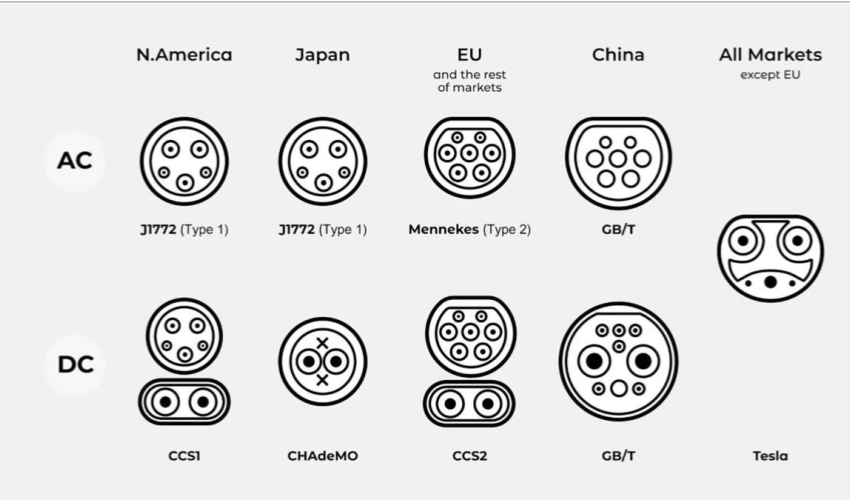
EV charging connector types and standards vary across global markets, affecting vehicle compatibility, charger selection, and charging infrastructure planning. Understanding these differences is essential for choosing the right charging equipment and ensuring compatibility across different vehicles and applications.
This guide explores the major EV charging connector types, regional standards, and their applications worldwide. It also covers connector and cable compatibility, highlighting key factors that equipment buyers, CPOs, and infrastructure planners should consider when selecting charging solutions.
What Are the Main Types of EV Charging Connectors?
EV charging connectors are designed to establish an electrical connection between a charging station and an electric vehicle. Their structures vary according to the charging method, electrical requirements, and applicable standards.
The following are the main connector types used in the global EV charging market.
Type 1 (SAE J1772)
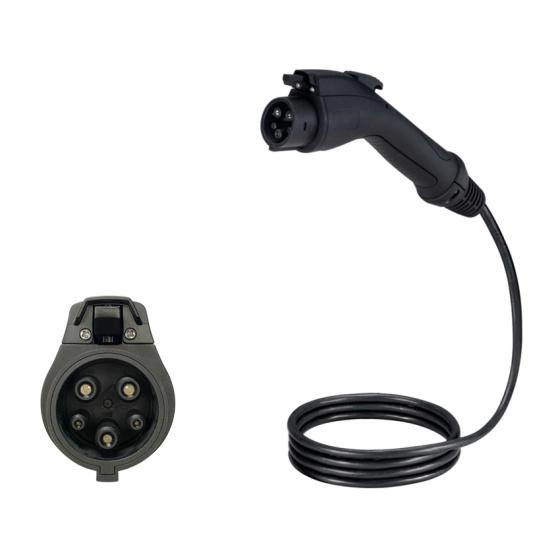
Type 1, also known as SAE J1772, is an AC charging connector commonly used in North America and some Asian markets.
It features a five-pin configuration and is primarily designed for single-phase AC charging.
Key characteristics:
Charging method: AC
Phase configuration: Single-phase
Typical application: Residential and commercial AC charging
Regional use: North America, Japan, and selected other markets
Standard: SAE J1772
Type 1 connectors are commonly found on older North American EV models and some Japanese vehicles.
Unlike Type 2, Type 1 does not support three-phase AC charging through its connector configuration.
Type 2 (Mennekes)
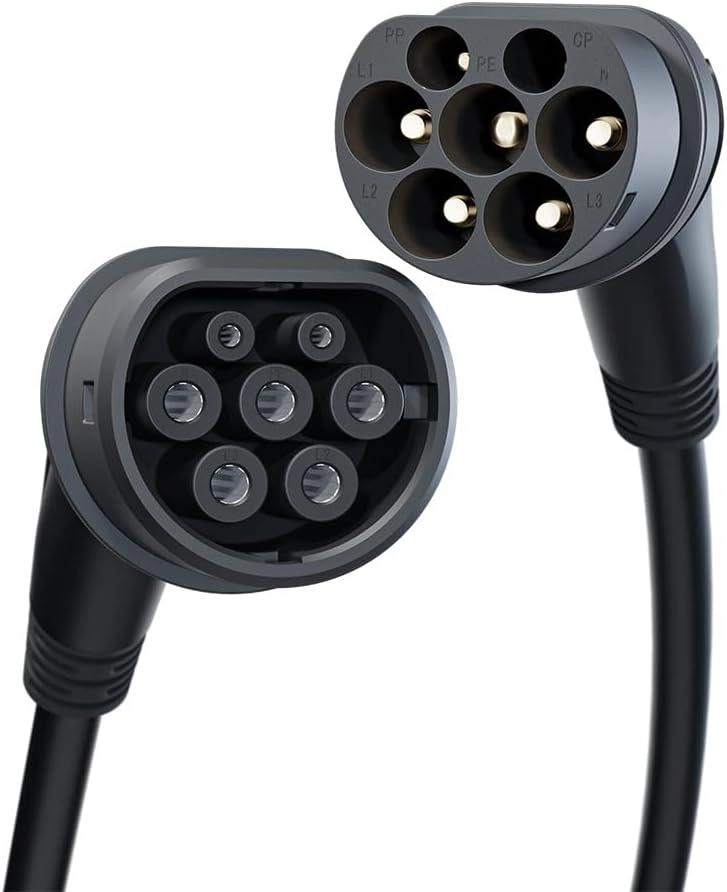
Type 2, commonly called the Mennekes connector, is the primary AC charging connector used across Europe.
Its seven-pin configuration supports both single-phase and three-phase AC charging, making it suitable for residential, workplace, and commercial charging installations.
Key characteristics:
Charging method: AC
Phase configuration: Single-phase and three-phase
Typical application: Home charging, workplace charging, and public AC charging
Regional use: Europe and other markets adopting IEC-based charging infrastructure
Standard: IEC 62196-2
Type 2 offers greater flexibility for three-phase charging compared with Type 1.
In Europe, Type 2 is also the foundation of the CCS2 connector, which adds dedicated DC power contacts for fast charging.
CCS1 (Combined Charging System 1)
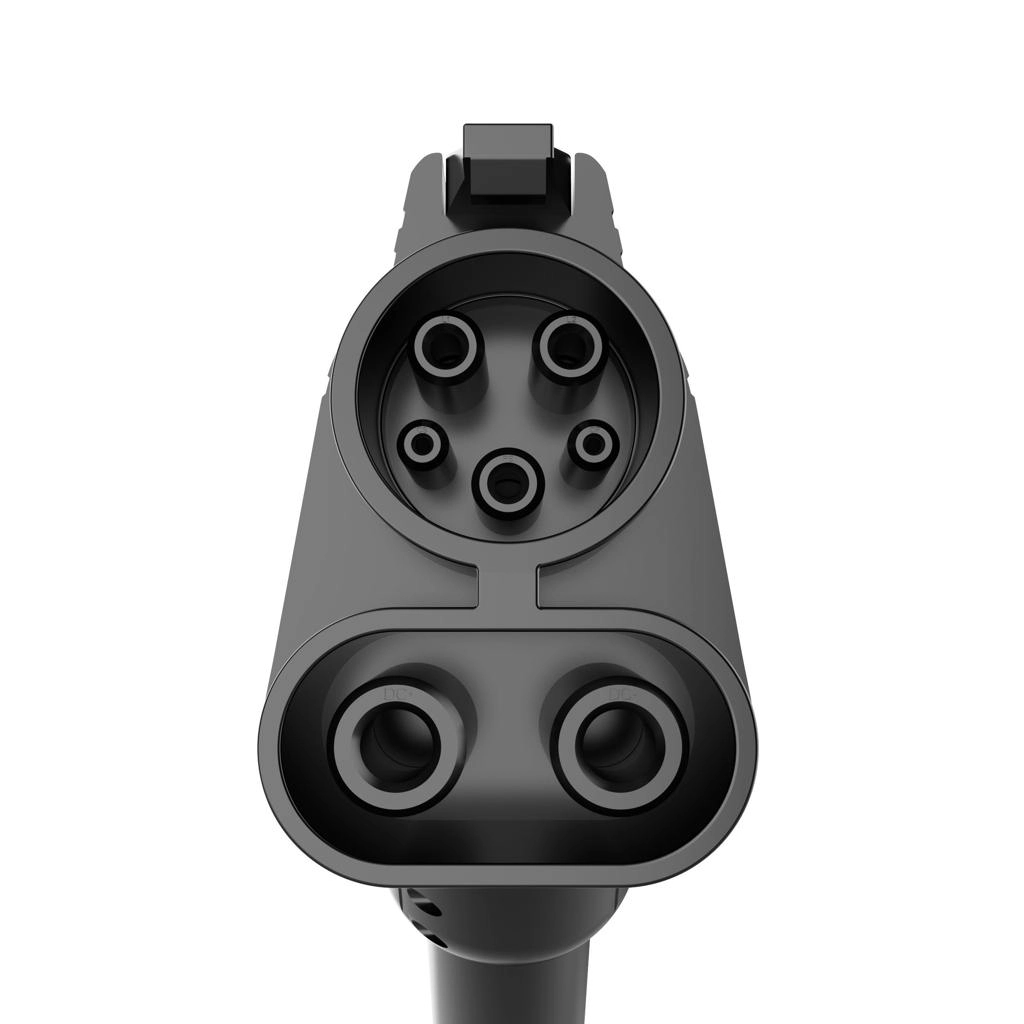
CCS1 is a combined charging connector developed for the North American market. It integrates the Type 1 AC connector configuration with two additional DC power contacts.
This design allows compatible vehicles to use one vehicle inlet for both AC charging and DC fast charging.
Key characteristics:
Charging method: AC + DC
AC interface: Type 1 / SAE J1772
DC configuration: Two additional large DC contacts
Typical application: Public DC fast-charging stations
Regional use: North America
Standard: SAE J1772 Combo
One advantage of CCS1 is that vehicles can support different charging methods through a common vehicle inlet.
However, CCS1 and CCS2 have different physical configurations and are not directly interchangeable.
CCS2 (Combined Charging System 2)
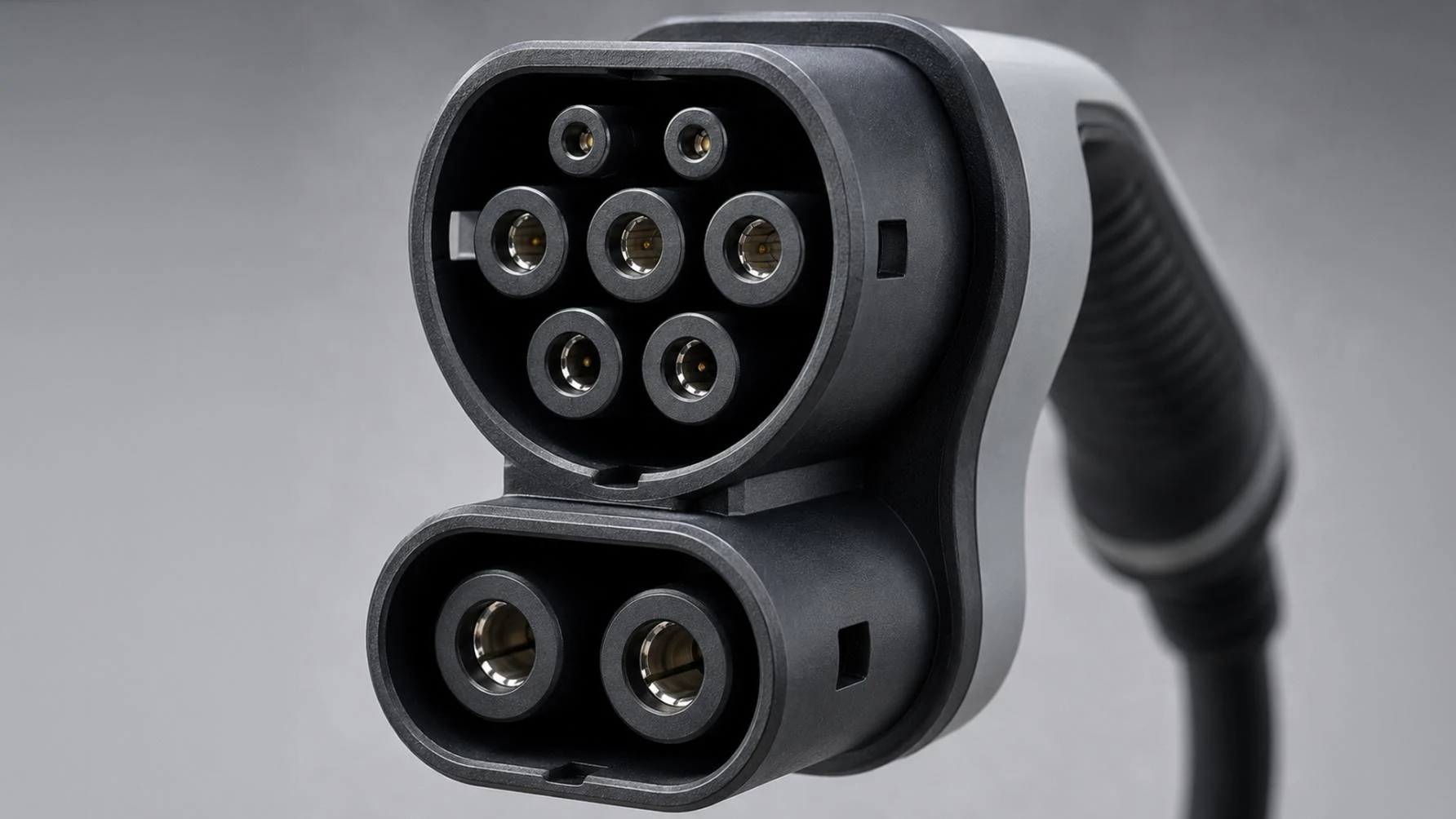
CCS2 is the European version of the Combined Charging System. It combines the Type 2 AC connector configuration with two additional DC power contacts.
It supports both AC charging and DC fast charging through a single vehicle inlet.
Key characteristics:
Charging method: AC + DC
AC interface: Type 2
DC configuration: Two additional DC contacts
Typical application: European public fast-charging infrastructure
Regional use: Europe and other CCS2 markets
Standard: IEC 62196-3
CCS2 is widely used in European public DC charging networks and is supported by many European-market electric vehicles.
Compared with CCS1, CCS2 uses the Type 2 upper connector configuration, which also supports three-phase AC charging.
NACS (North American Charging Standard)
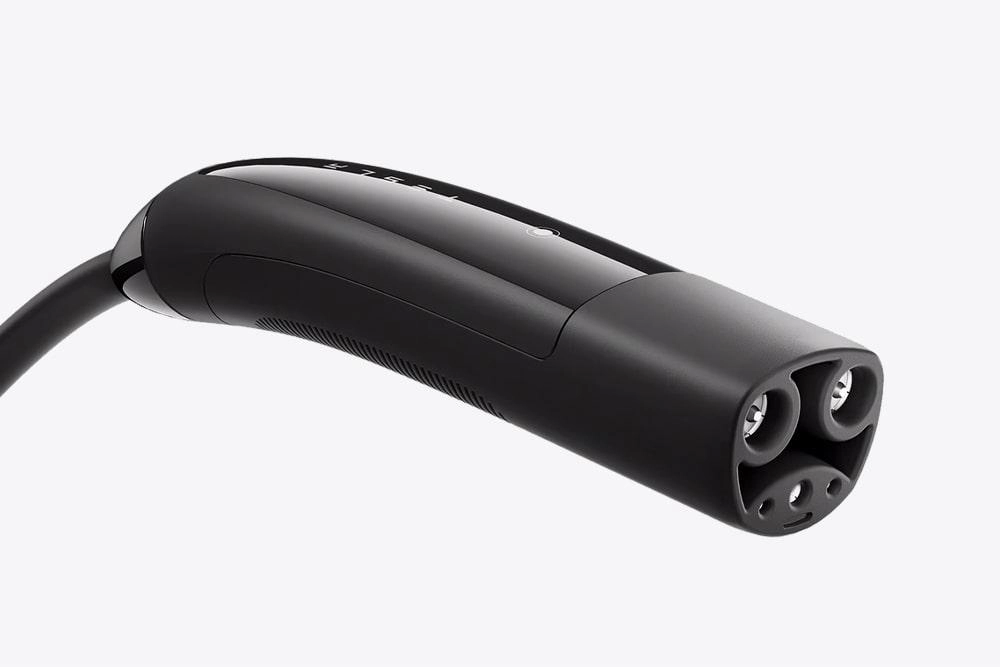
NACS, originally developed by Tesla, is a compact charging connector that supports both AC and DC charging.
It was subsequently adopted into the SAE J3400 standard framework, allowing broader use by vehicle manufacturers and charging equipment suppliers.
Key characteristics:
Charging method: AC + DC
Connector design: Compact integrated configuration
Typical application: Residential AC charging and public DC fast charging
Regional use: Primarily North America
Standard: SAE J3400
Unlike CCS1 and CCS2, NACS uses the same two main power contacts for AC and DC power transfer, with additional contacts for communication and other functions.
Its adoption by multiple automakers is changing the North American charging infrastructure landscape.
Joint Office of Energy and Transportation+1
GB/T (Chinese National Standard)
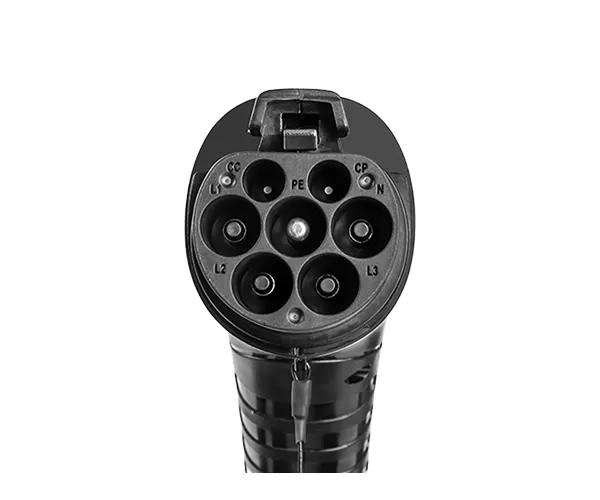
GB/T is China's national EV charging connector system. Unlike CCS, it uses separate connector designs for AC and DC charging.
The two main connector types are:
GB/T AC
Designed for AC charging.
Commonly used in residential and commercial charging equipment.
Supports single-phase and three-phase charging configurations according to the applicable system.
GB/T DC
Designed for DC fast charging.
Uses a dedicated DC connector.
Commonly used in public fast-charging stations and commercial charging infrastructure.
GB/T connectors are widely used by Chinese EV manufacturers and charging equipment suppliers.
It is important to distinguish GB/T AC from GB/T DC when selecting charging cables, vehicle inlets, and adapters.
CHAdeMO
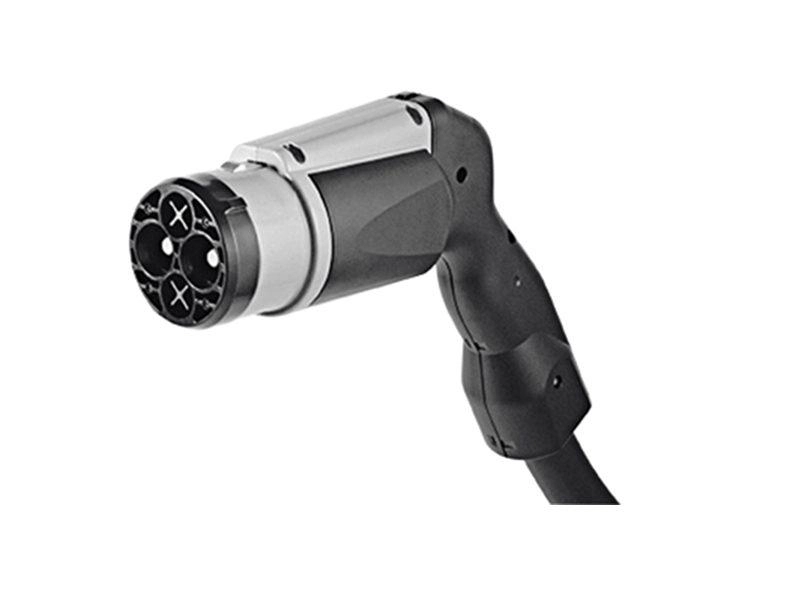
CHAdeMO is a DC fast-charging connector standard developed in Japan.
It was adopted by several Japanese vehicle manufacturers and has also been used in international charging networks.
Key characteristics:
Charging method: DC
Typical application: Public DC fast charging
Regional use: Japan and selected international markets
Main vehicle association: Certain Nissan and Mitsubishi EV models
Unlike CCS, CHAdeMO uses a dedicated DC charging connector rather than combining AC and DC contacts into one vehicle inlet.
Although newer EV platforms increasingly use CCS or NACS in many markets, CHAdeMO remains relevant for existing vehicles and charging infrastructure.
EV Charging Connectors by Charging Type: AC vs. DC
EV charging connectors can also be classified according to the type of electrical power they deliver.
The two main charging methods are AC charging and DC charging. Their main difference is where AC-to-DC power conversion takes place.
AC Charging Connectors
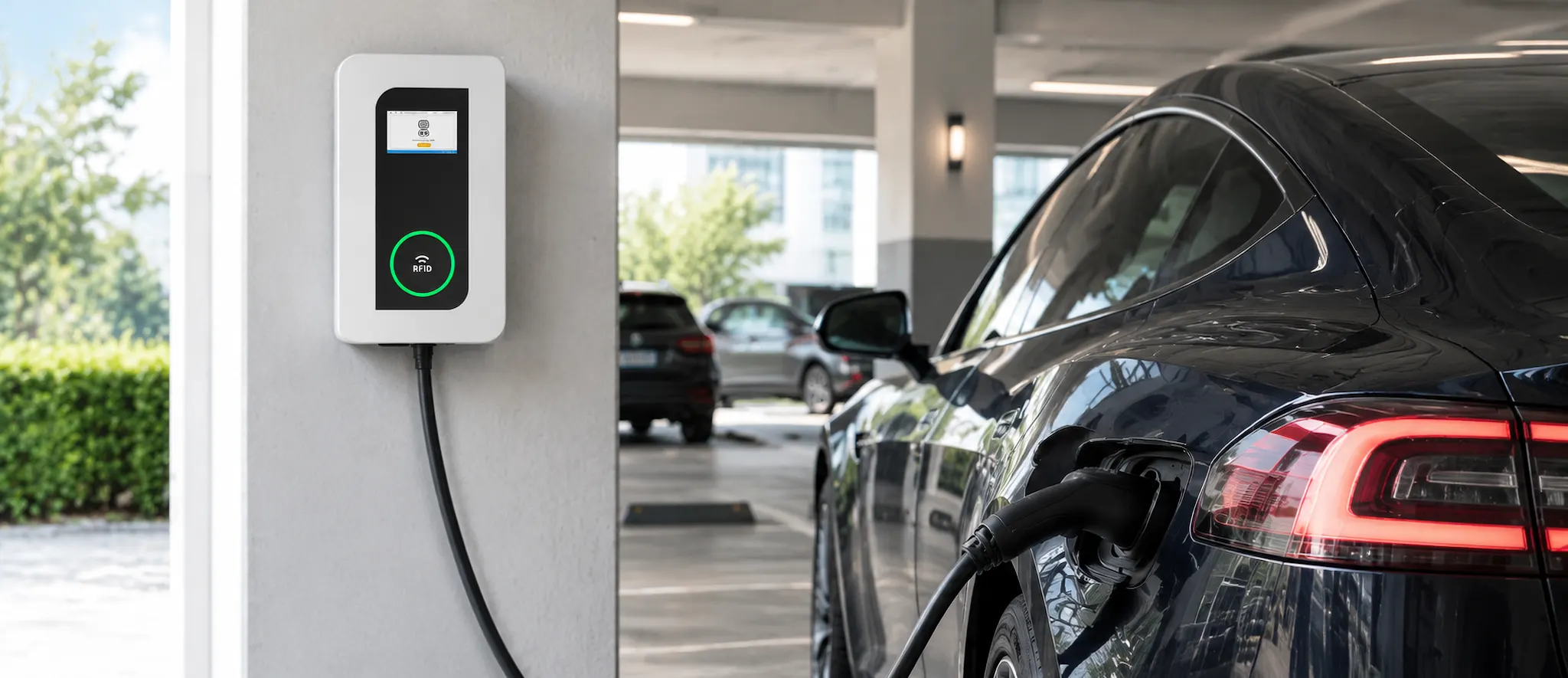
AC charging supplies alternating current from the charging station to the vehicle.
The vehicle's onboard charger (OBC) converts AC electricity into DC electricity before it reaches the battery.
Common AC charging connectors:
Type 1 (SAE J1772)
Type 2
NACS (AC)
GB/T AC
Typical AC charging applications
Residential garages and private parking spaces
Office buildings and employee parking
Hotels, apartments, and commercial properties
Public parking facilities
Workplace fleet charging
AC charging is particularly suitable for locations where vehicles remain parked for several hours.
DC Fast Charging Connectors
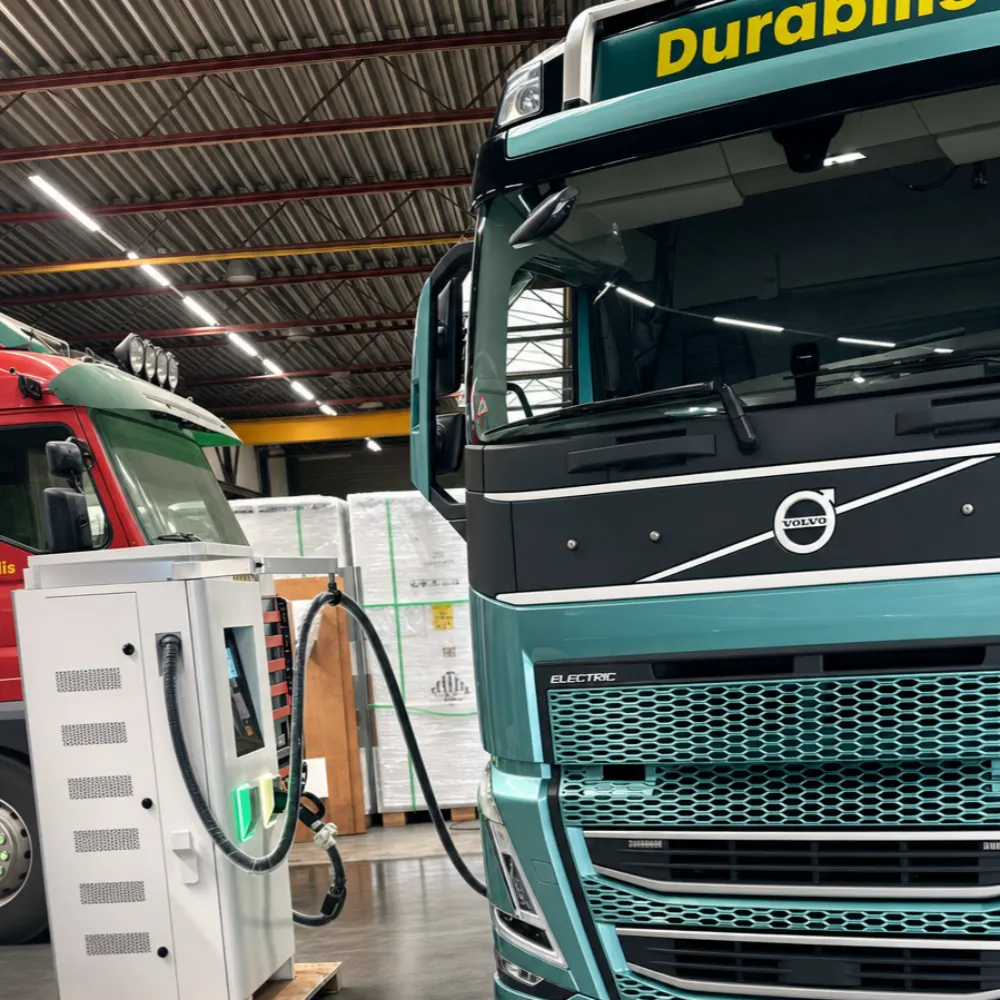
DC charging stations convert grid electricity into DC power before delivering it to the vehicle battery.
Because the main AC-to-DC conversion takes place inside the charging station, DC charging bypasses the vehicle's onboard AC charger.
Common DC charging connectors:
CCS1
CCS2
NACS (DC)
GB/T DC
CHAdeMO
Typical DC charging applications
Highway fast-charging stations
Public charging hubs
Commercial fleet depots
Bus and logistics charging facilities
High-power EV charging networks
DC fast charging is suitable for applications requiring shorter charging times and higher power output.
AC vs. DC Charging: Key Differences
Comparison | AC Charging | DC Charging |
Power supplied to vehicle | AC | DC |
Main conversion location | Vehicle OBC | Charging station |
Typical charging speed | Lower | Higher |
Equipment complexity | Generally lower | Generally higher |
Common applications | Home, office, parking | Highways, public charging hubs |
Main connectors | Type 1, Type 2, GB/T AC | CCS1, CCS2, GB/T DC, CHAdeMO |
EV Charging Connector Standards by Region
Different regions have developed their own charging infrastructure requirements. For charging station manufacturers and international distributors, regional compatibility is an important factor in product selection.
European Charging Standards
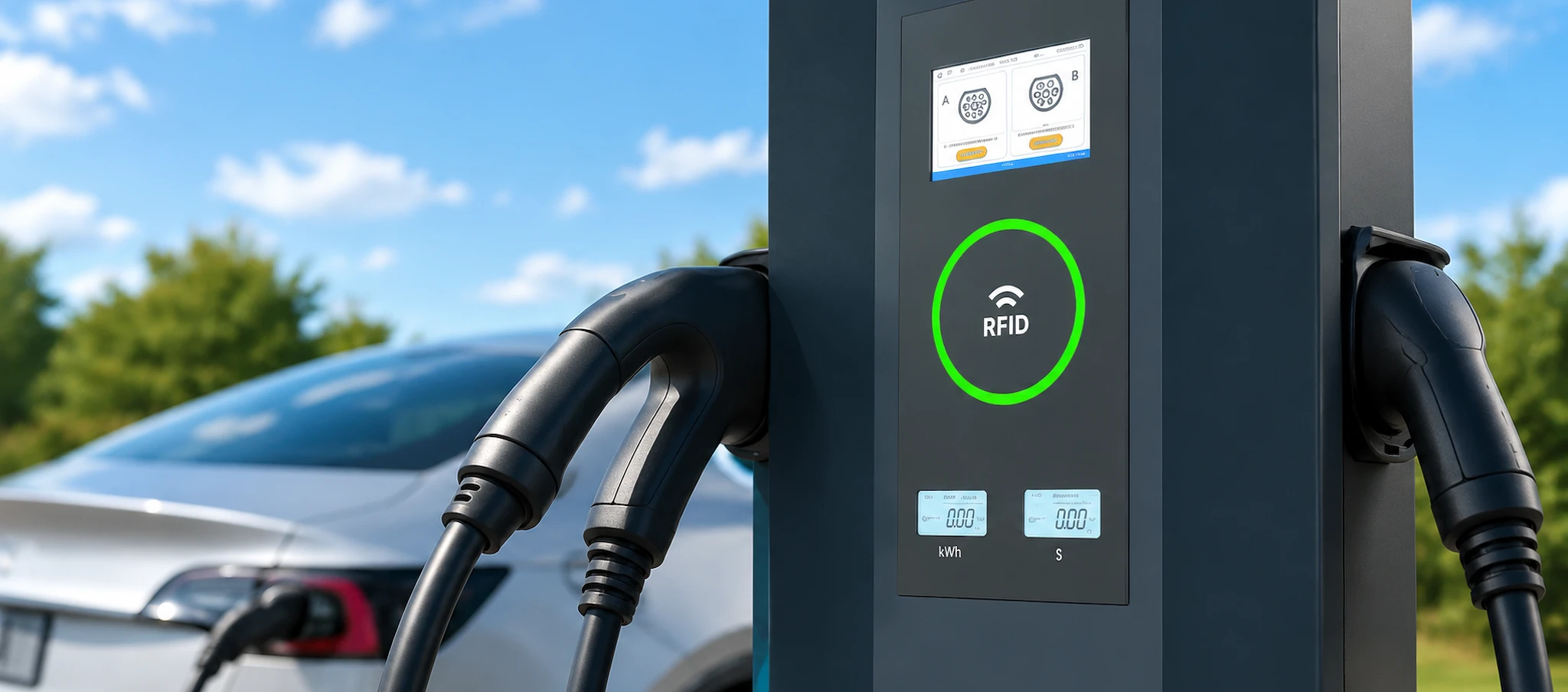
Europe primarily uses the IEC-based charging system.
Charging application | Main connector |
AC charging | Type 2 |
DC fast charging | CCS2 |
Type 2 is widely used for residential, workplace, and public AC charging. CCS2 is the main DC fast-charging connector for light-duty EVs.
European charging infrastructure is also governed by interoperability requirements under the Alternative Fuels Infrastructure Regulation (AFIR).
For example, EU requirements applicable from January 8, 2026 specify Type 2 connectors or socket outlets for relevant AC charging points.
Mobility and Transport
Key consideration for equipment suppliers: Type 2 and CCS2 compatibility should be prioritized when developing charging equipment for European light-duty EV applications.
North American Charging Standards
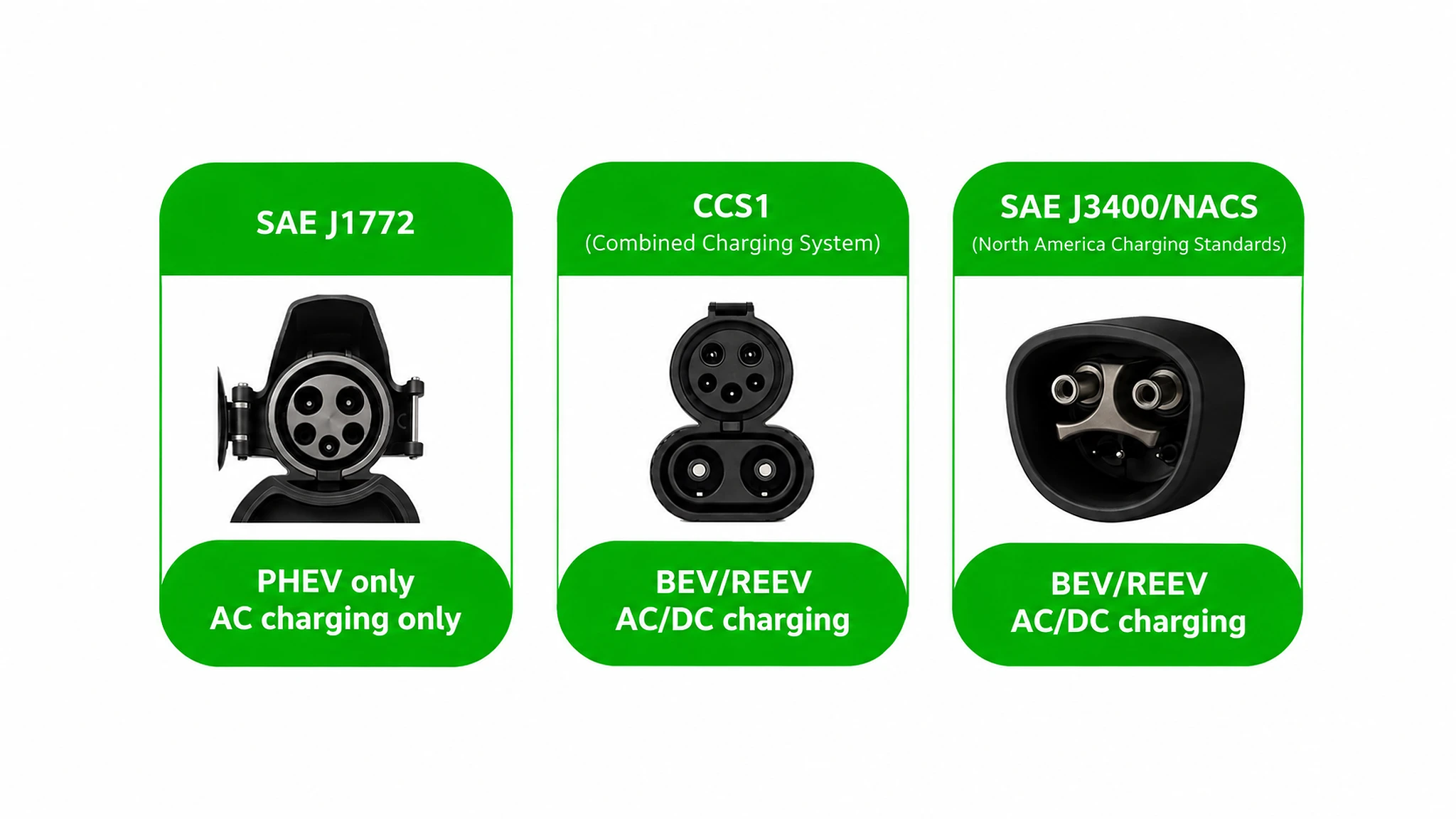
North America uses several connector systems, with NACS becoming increasingly important alongside CCS1.
Charging application | Main connector |
AC charging | Type 1 (J1772), NACS |
DC fast charging | CCS1, NACS, CHAdeMO |
Historically, many non-Tesla EVs in North America used J1772 for AC charging and CCS1 for DC fast charging.
The market is now transitioning toward broader NACS adoption through SAE J3400.
This transition does not mean CCS1 has disappeared. Existing vehicles and charging infrastructure continue to require CCS1 compatibility.
Key consideration for equipment suppliers: Supporting both CCS1 and NACS can help charging networks serve a wider range of vehicles during the transition.
Chinese Charging Standards
China primarily uses GB/T charging standards.
Charging application | Main connector |
AC charging | GB/T AC |
DC fast charging | GB/T DC |
Unlike CCS, the GB/T system uses separate AC and DC connectors.
GB/T charging interfaces are widely used by Chinese EV manufacturers, domestic charging station operators, and charging equipment suppliers.
Key consideration for equipment suppliers: AC and DC charging products must be specified separately, including their corresponding vehicle-side and station-side connectors.
Japanese Charging Standards
Japan has traditionally used Type 1 for AC charging and CHAdeMO for DC fast charging.
Charging application | Main connector |
AC charging | Type 1 (J1772) |
DC fast charging | CHAdeMO |
CHAdeMO remains relevant to existing Japanese EV models and charging networks.
However, newer vehicle platforms may adopt different charging standards depending on the target market and manufacturer.
Other EV Charging Markets
Some markets adopt established international connector standards, while others develop local requirements or use combinations of imported vehicle platforms.
For example:
South Korea: Type 1 and CCS1 have been used in many vehicle applications.
Australia and New Zealand: Type 2 and CCS2 are widely used.
Southeast Asia: Type 2 and CCS2 are common in many markets, alongside other imported vehicle configurations.
India: EV charging infrastructure follows applicable national standards, including the IS 17017 series.
For international projects, the connector should always be checked against the actual vehicle fleet and local regulations rather than selected based only on geographical assumptions.
EV Charging Connectors by Vehicle Brand
A vehicle manufacturer's name alone does not determine its charging connector. The same brand may use different interfaces depending on the vehicle model, production year, and sales market.
The following examples illustrate common vehicle-brand and connector relationships.
Tesla
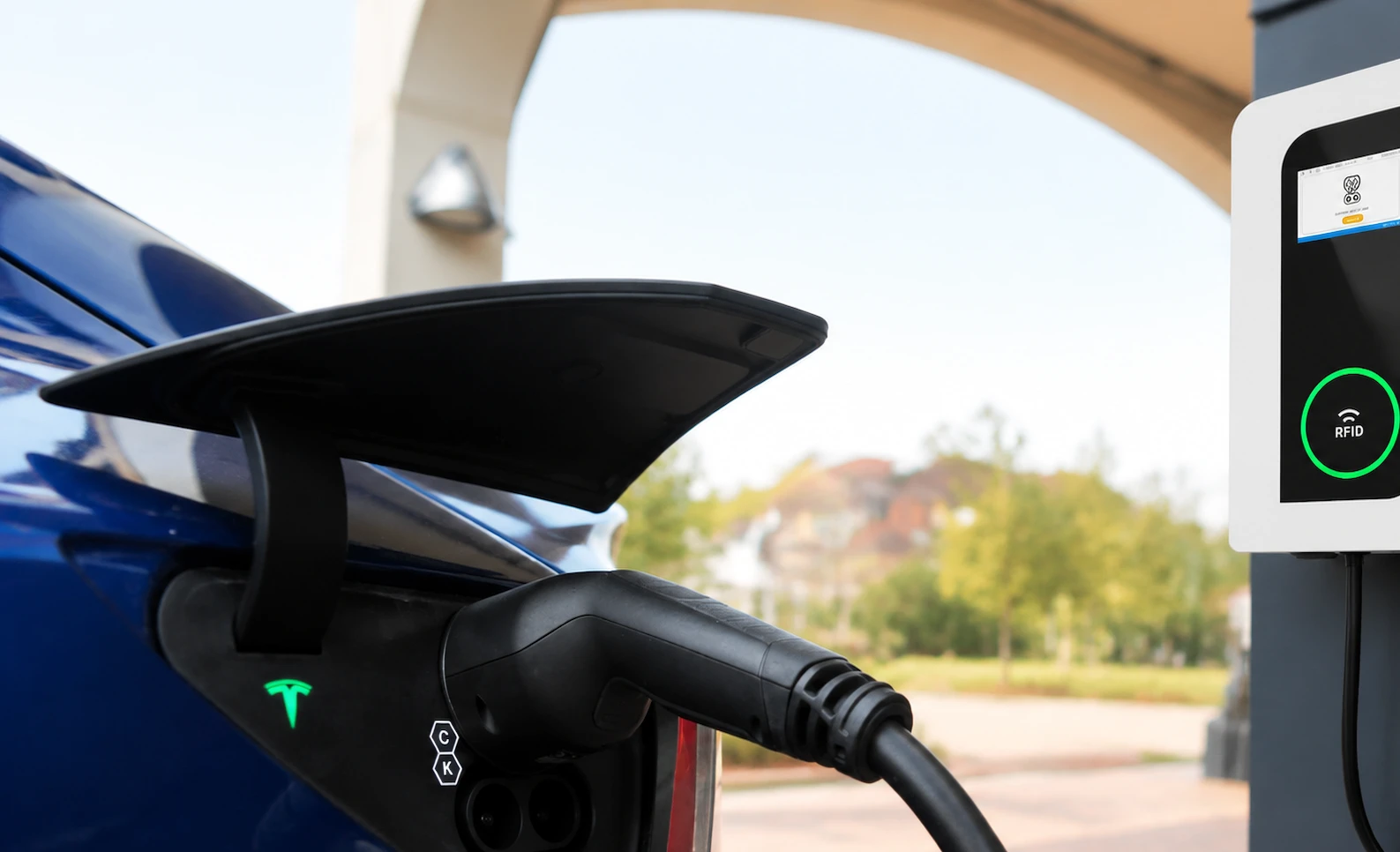
Tesla is closely associated with the development and adoption of NACS.
However, Tesla vehicles do not all use the same charging inlet worldwide.
Market | Common Tesla connector |
North America | NACS |
Europe | Type 2 for AC; CCS2 for DC on relevant models |
China | GB/T-based charging configurations on relevant models |
Other Major EV Brands
The following table provides a market-oriented reference for common connector configurations.
Vehicle brand | Common North American configuration | Common European configuration |
Ford | J1772 / CCS1; NACS on newer supported models | Type 2 / CCS2 |
BMW | J1772 / CCS1; NACS access on supported models | Type 2 / CCS2 |
Mercedes-Benz | J1772 / CCS1; NACS access on supported models | Type 2 / CCS2 |
Volkswagen | J1772 / CCS1; NACS access on supported models | Type 2 / CCS2 |
Hyundai | J1772 / CCS1; NACS on supported models | Type 2 / CCS2 |
Kia | J1772 / CCS1; NACS on supported models | Type 2 / CCS2 |
Nissan | J1772 / CHAdeMO on certain older models; newer models vary | Type 2 / CCS2, depending on model |
BYD | Market-dependent | Type 2 / CCS2 on relevant export models |
Conclusion: Understanding Connector Compatibility for Global EV Charging
In 2026, the global EV charging market continues to rely on multiple connector standards, including Type 1, Type 2, CCS1, CCS2, NACS, GB/T, and CHAdeMO. Each serves specific vehicle platforms and regional charging requirements, making connector compatibility a key consideration when selecting EV charging equipment.
Looking for a complete EV charging solution? Explore our product range and contact our team to discuss your application requirements.