
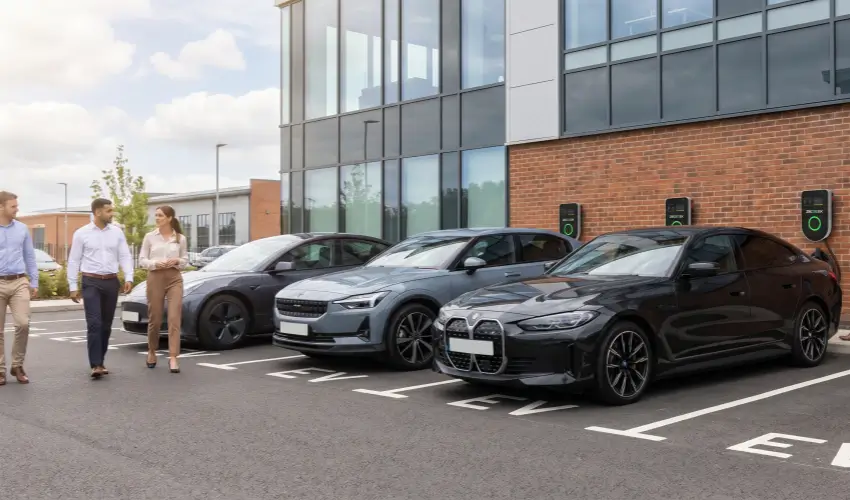
As discussions around strengthening economic and industrial cooperation between the United States and China continue to evolve, the global electric vehicle (EV) ecosystem stands at a pivotal juncture. In 2026, EV charging infrastructure has emerged as a critical enabler of the energy transition, bridging technological innovation, grid modernization, and commercial scalability.
For U.S. fleet operators, charging network developers, infrastructure contractors, and investors, understanding these dynamics is essential to capitalizing on growth opportunities while navigating supply chain realities.
Global Technology Foundations Shaping 2026
Worldwide, 2026 marks a maturation of EV charging technologies. Ultra-fast DC charging has moved beyond 350 kW toward megawatt-class systems (MCS), particularly for heavy-duty applications. Battery energy storage systems (BESS) integrated with charging stations are becoming standard to mitigate grid constraints and enable renewable integration. AI-powered energy management platforms optimize load distribution, predictive maintenance, and user experience across networks.
Open standards like OCPP 1.6J/2.0 and ISO 15118 (Plug & Charge) facilitate interoperability, allowing seamless integration with diverse backend systems. Dynamic load balancing (DLB) and vehicle-to-grid (V2G) capabilities are no longer niche—they are operational necessities for managing peak demand and turning EVs into distributed energy resources.
These global advancements provide a blueprint for the U.S. market, where infrastructure gaps remain despite strong policy support.
U.S. EV Charging Market Expansion and Infrastructure Priorities
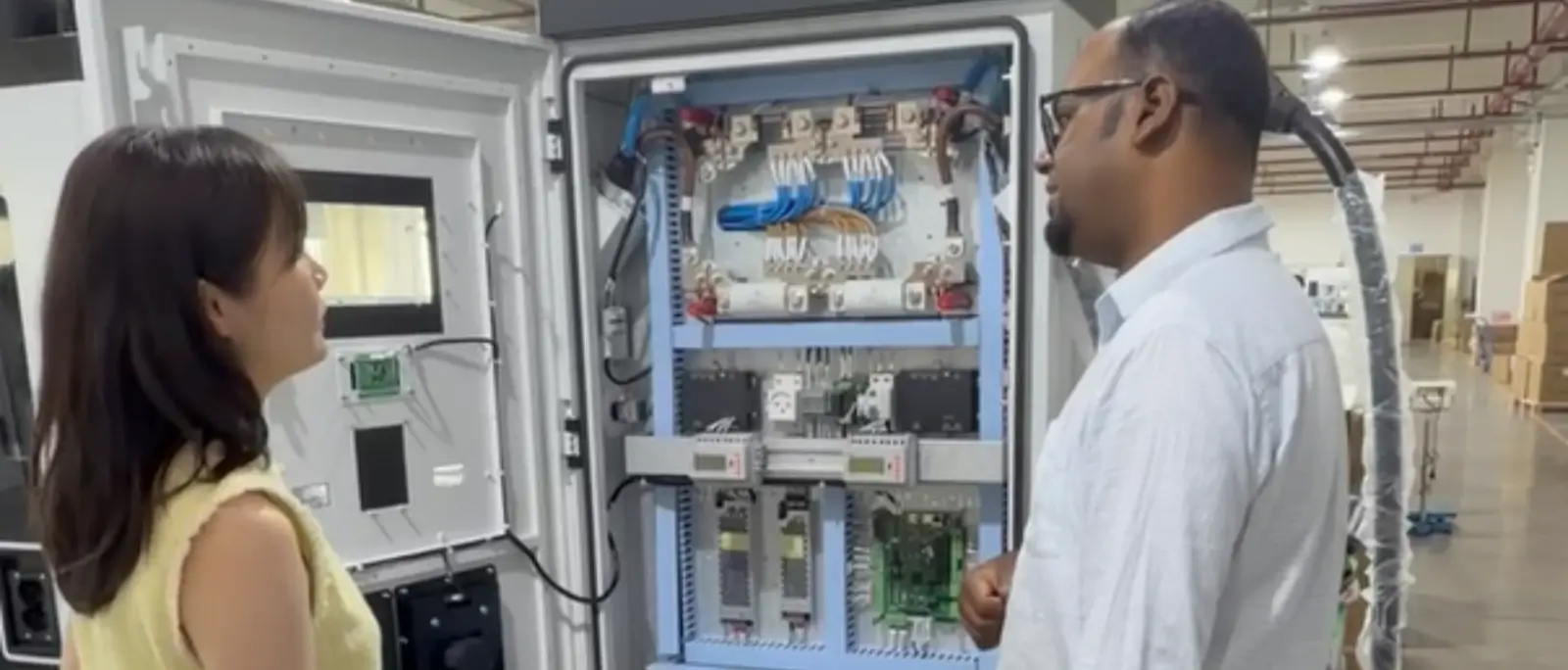
The U.S. EV charging infrastructure market continues its robust growth trajectory. Projections indicate significant increases in DC fast charging ports to support both light-duty and commercial vehicles. Public and private networks are expanding along key corridors, with emphasis on reliability and uptime—critical for fleet operators where downtime directly impacts profitability.
Commercial EV charging solutions are seeing particularly strong demand. Depot charging for medium- and heavy-duty fleets relies on 150–400 kW DC systems, with MCS pilots gaining traction for long-haul routes. Retail and convenience store operators are integrating charging hubs to capture new revenue streams, often combining Level 2 and DC fast chargers with amenities.
NACS adoption has accelerated industry-wide, reducing connector fragmentation. By 2026, a large majority of new public DC fast chargers in the U.S. are expected to support NACS natively or via seamless adapters, improving the driver experience and lowering operational complexity for network operators.
Grid pressure remains a key challenge. Many sites require upgrades for high-power charging, making energy storage integration and smart load management essential. Successful deployments prioritize modular, scalable designs that can grow with demand.
Fleet Electrification and Commercial Charging Solutions
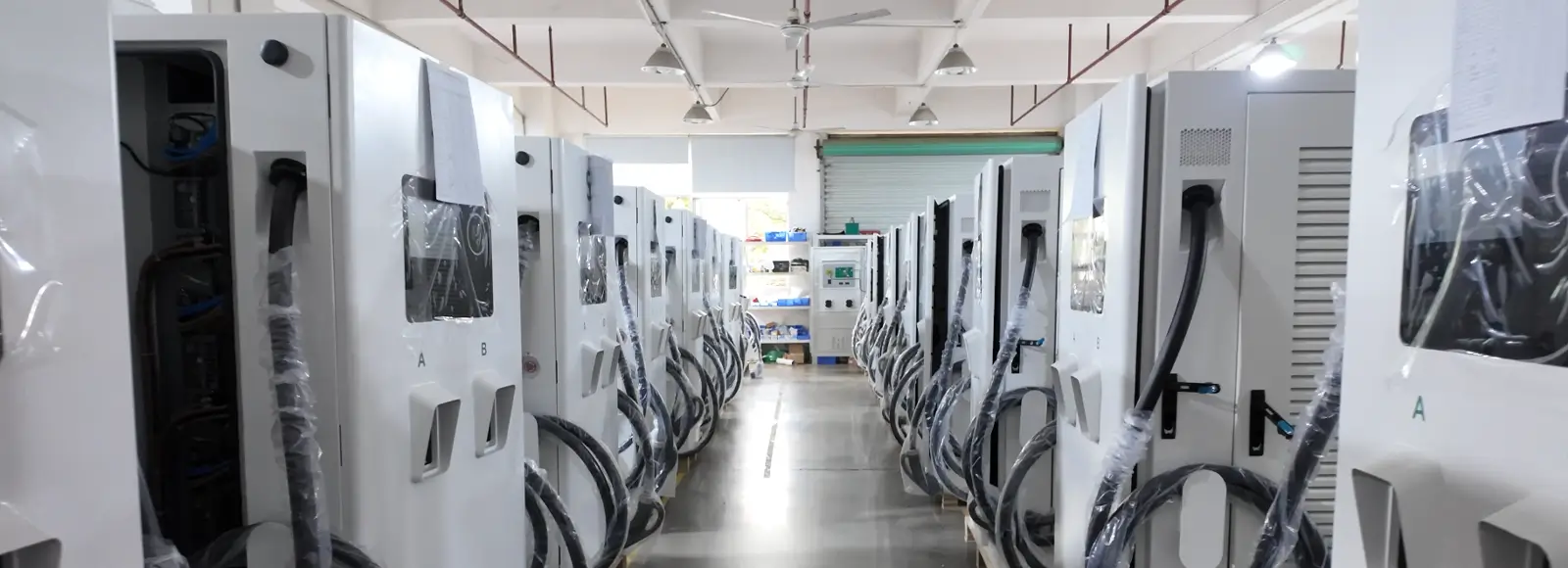
Fleet operators are at the forefront of 2026 trends. Electrification of delivery vans, shuttles, school buses, and heavy trucks demands high-utilization charging infrastructure. Depot-based solutions with dynamic load balancing allow multiple vehicles to charge efficiently without exceeding site capacity or incurring excessive demand charges.
Smart charging software ecosystems play a decisive role. Platforms supporting OCPP enable remote monitoring, usage analytics, billing integration, and predictive maintenance. Features like RFID, app-based authentication, and cashless payment streamline operations for commercial sites. For multi-charger installations, centralized energy management systems optimize power allocation based on real-time grid conditions and fleet schedules.
Reliability is paramount. Chargers must deliver consistent performance in diverse climates, with robust protections against overcurrent, temperature extremes, and power fluctuations. IP-rated enclosures and durable connectors ensure longevity in public and semi-public environments.
Technology Trends Driving Efficiency and Sustainability
Several interconnected trends define the technical landscape:
Ultra-Fast and Megawatt Charging: 350+ kW and emerging MCS systems reduce charging times dramatically, enabling practical long-distance operations for electric trucks.
AI and Smart Energy Management: Predictive algorithms forecast demand, balance loads dynamically, and integrate solar or storage to minimize costs and grid stress.
Renewable Integration and Storage: Charging stations paired with on-site renewables and BESS create resilient microgrids, supporting utility programs and lowering the total cost of ownership.
Interoperability and Open Protocols: OCPP-compliant systems are future-proof investments, allowing operators to mix hardware vendors and integrate with existing fleet or energy management platforms.
Load Balancing Innovations: From static to real-time dynamic systems using CT sensors, these solutions maximize utilization of existing electrical infrastructure.
These technologies collectively address uptime, scalability, and return on investment—core concerns for commercial decision-makers.
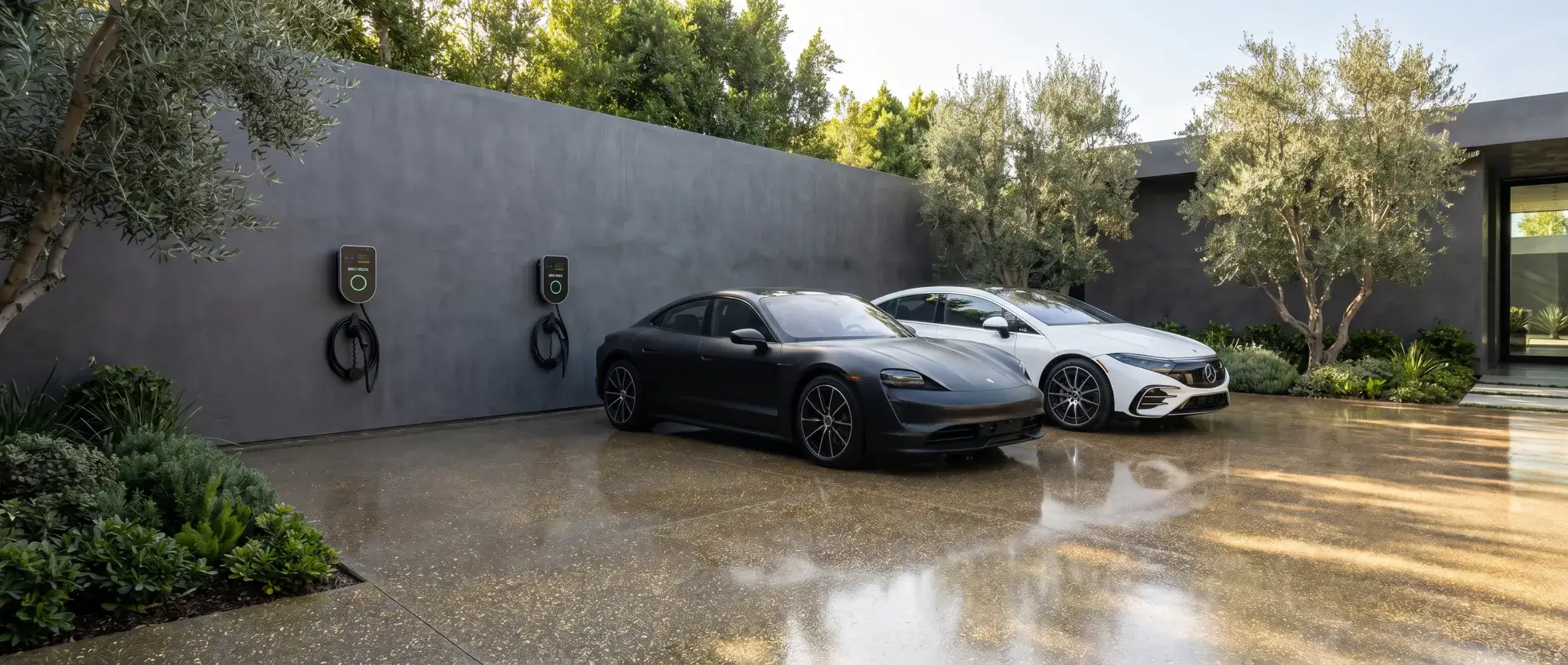
Cooperation Opportunities in EV Charging
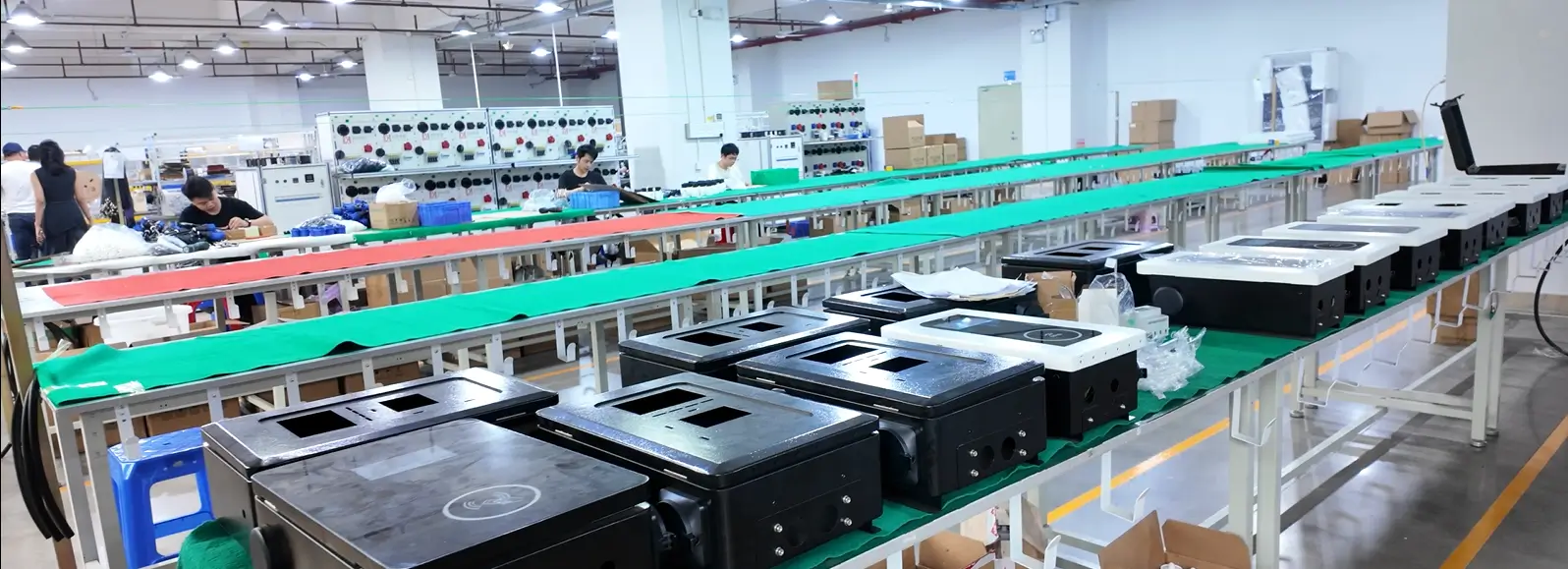
EV infrastructure competition is, at its core, a contest of manufacturing scale, supply chain efficiency, and technological integration. Chinese EV charging solution providers have demonstrated world-class capabilities in high-volume production of AC wallboxes, DC fast chargers, portable units, power modules, and cloud management platforms. Their expertise in cost-effective, reliable hardware complements U.S. strengths in software, standards development, and project deployment.
Strategic partnerships can accelerate U.S. deployment goals. Collaborative models—ranging from technology licensing and component supply to joint manufacturing or localized assembly—offer pathways to meet ambitious targets while addressing certification (e.g., ETL, UL) and market-specific requirements. Many global operators already leverage proven Chinese-manufactured chargers integrated with U.S.-centric backends for commercial projects.
Long-term success depends on transparent, mutually beneficial cooperation that prioritizes quality, compliance, and innovation. Providers with strong R&D, OCPP expertise, and scalable product lines (from home wallboxes to multi-gun commercial stations) are well-positioned as reliable partners for American projects.
Strategic Outlook for Stakeholders
For distributors, EPC contractors, fleet operators, and investors, 2026 presents a clear imperative: invest in flexible, future-proof infrastructure. Prioritize solutions offering modularity, comprehensive certifications, robust software integration, and strong after-sales support.
Key evaluation criteria include:
- Compatibility with NACS and legacy standards
- Advanced energy management features (DLB, PV integration)
- Proven reliability in real-world commercial deployments
- Scalable cloud platforms for monitoring and monetization
- Warranty and technical support frameworks
Conclusion: Building Resilient Infrastructure Through Partnership
The U.S. EV charging market in 2026 is defined by rapid expansion, technological sophistication, and the urgent need for reliable, scalable solutions. From ultra-fast DC networks supporting fleets to smart, grid-friendly commercial installations, success hinges on balancing innovation with practicality.
As global supply chains and technological ecosystems mature, cooperation between U.S. market leaders and established international manufacturers will be instrumental. Chinese EV charging solution providers, with their depth in hardware engineering, production capacity, and open-protocol expertise, offer valuable partnership potential for accelerating America’s infrastructure ambitions.
As a leading EV charging solution provider based in Shenzhen, ZECONEX demonstrates strong industry capabilities through its comprehensive product portfolio, including AC and DC chargers, portable charging solutions, wall-mounted charging systems, power modules, and cloud-based management platforms.
If you are evaluating EV charging solutions for your next commercial, fleet, or public project, we invite you to contact the ZECONEX team to discuss how our tailored solutions can support your specific requirements.