
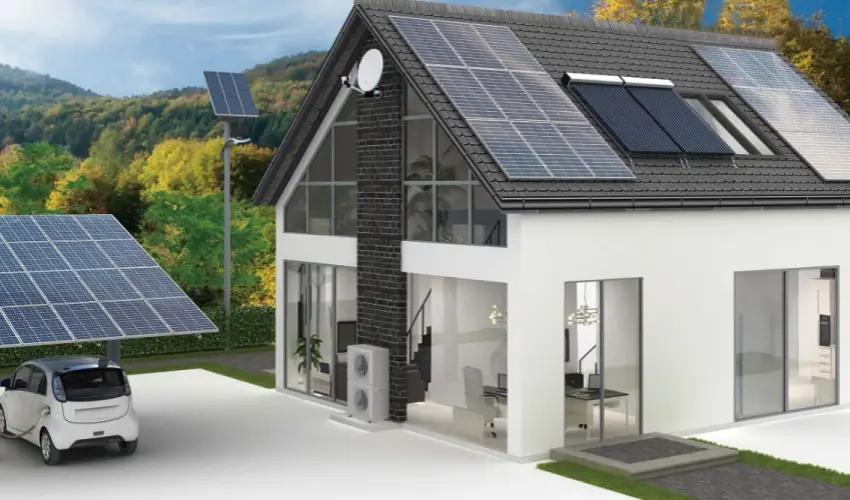
As EV adoption accelerates across North America, Europe, and Australia, commercial property owners, fleet operators, CPOs, and EPC contractors face increasing pressure to deploy reliable charging infrastructure. A well-executed EV charging station installation does more than provide convenient access—it drives utilization, supports ESG goals, and delivers measurable ROI. Yet many projects encounter delays, budget overruns, or suboptimal performance due to overlooked site constraints or mismatched equipment.
Drawing on hands-on experience with deployments ranging from workplace Level 2 arrays to multi-MW DC fast-charging hubs integrated with solar and storage, this guide outlines practical requirements, realistic 2026 cost benchmarks, proven processes, and integration strategies that experienced teams use to deliver successful projects.
Types of EV Chargers and Installation Requirements
Choosing the right charger type is the foundation of any successful project. Requirements scale dramatically with power level.
Level 1 Chargers
These deliver 1.4–2.4 kW and suit overnight residential or light-duty auxiliary use. Installation is straightforward—often a dedicated 15–20A circuit with minimal or no panel upgrades. They require little more than a standard outlet and basic permitting, making them low-barrier entry points for fleets testing small-scale adoption. However, slow speeds limit commercial viability.
Level 2 Chargers
The workhorse for most commercial and multi-family installations (7–22 kW typical, up to 44 kW+ in some configurations). These require a dedicated circuit (often 40–100A+), proper grounding, and frequently a subpanel or feeder upgrade. Wall-mount or pedestal models are common. Key considerations include OCPP 1.6J/2.0 compatibility for network management, load balancing (static or dynamic via CT clamps), and RFID/app/ISO 15118 readiness for public or semi-public use.
DC Fast Chargers
These are essential for high-turnover sites, highways, fleet depots, and heavy-duty applications. Installation involves significant electrical infrastructure: 400–480V three-phase service, dedicated transformers, switchgear, and often utility coordination. Cable management, liquid-cooled connectors (CCS2, NACS, etc.), and advanced thermal management become critical. Power modules, robust enclosures (IP55/IK10), and integration with cloud platforms for remote monitoring and billing are standard.
For commercial EV charger projects, experienced teams prioritize future-proofing: modular designs that support power expansion and software updates via OTA.
Site Assessment Before Installation
Rushing into hardware procurement without thorough assessment is one of the most common—and expensive—mistakes.
Electrical Capacity
Start with a professional load study. What is the existing transformer and service capacity? Peak demand charges can destroy economics if not managed. Dynamic load balancing (DLB) using CT sensors and OCPP integration helps maximize chargers without immediate upgrades.
Parking Layout & Cable Routing
ADA compliance, traffic flow, cable reach (5–7m typical, longer custom options available), and pedestal vs. wall-mount decisions matter. Plan for future expansion—conduit runs and spare breakers save significant cost later.
Network & Connectivity
4G/LTE (with SIM slot), Ethernet, or Wi-Fi. Signal strength testing is essential; many sites need boosters or dedicated lines for reliable cloud management and payment processing.
Geotechnical & Environmental Factors
Soil conditions for foundations, drainage, extreme temperatures (-30°C to +55°C operation), and vandalism risk influence enclosure and mounting choices.
A comprehensive site survey early prevents 30–50% of typical project surprises.
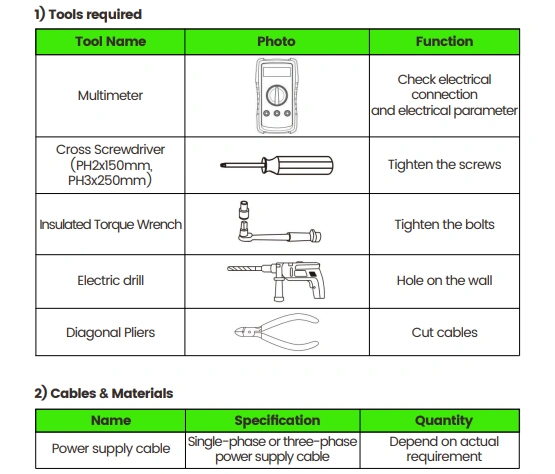
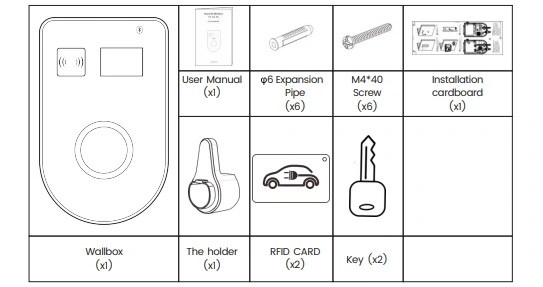
EV Charger Installation Requirements
Electrical
Proper breaker sizing upstream (e.g., molded case circuit breakers like certain NDM3 series for higher power units).
Grounding and bonding per local codes.
Surge protection (SPD) and residual current devices (Type A + 6mA DC RCD common for safety).
Safety & Compliance
UL, CSA, ETL (North America), CE, TUV, MID for metering (Europe), IEC 61851, IEC 62196. Fire safety, emergency stops (where required), and accessibility are non-negotiable. Local permits and utility approvals often dictate timelines.
Software & Management
Modern installations demand OCPP-compliant backends for remote monitoring, billing, load management, and firmware updates. Features like plug-and-play (with fallback), RFID, app integration, and reservation systems add value for operators.
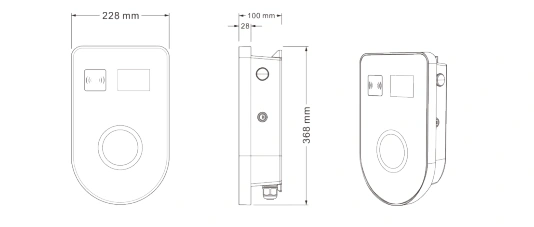
EV Charger Installation Process
A disciplined sequence minimizes downtime and rework:
Site Survey & Feasibility
System Design
Permitting & Approvals
Infrastructure Upgrades
Charger Installation
Testing & Commissioning
Ongoing Operation & Maintenance
Projects with experienced partners complete commissioning faster and with fewer change orders.
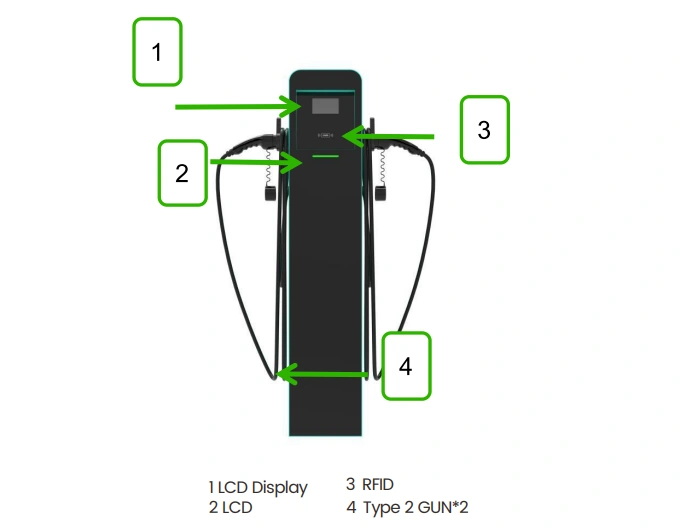
EV Charger Installation Cost in 2026
The following equipment price ranges are typical for the European market.
Level 2 AC EV Chargers
Equipment Cost: $100–$5,000 per unit
Pricing varies primarily based on mounting configuration (wall-mounted or pedestal-mounted), power output, current rating, and Dynamic Load Balancing (DLB).
DC Fast Chargers
Equipment Cost: $1,500–$20,000 per unit
Pricing is largely influenced by charging power, output current, and cable management of the Swing Arm.
How Solar Power Can Reduce EV Charging Costs
Pairing solar EV charging solutions with storage transforms economics and sustainability. On-site generation offsets high daytime demand charges, reduces grid dependency, and supports resilience.
Key Benefits:
Lower Energy Costs: Self-consumption of solar can cut effective charging rates substantially versus grid-only.
Load Management: Smart systems with dynamic balancing and storage prioritize solar, shave peaks, and enable vehicle-to-grid (V2G) in advanced setups.
Faster ROI: Combined solar + storage + EVSE projects often achieve better payback through incentives, net metering, and reduced demand charges.
ESG & Marketing Value: Demonstrable carbon reduction strengthens tenant attraction and grant eligibility.
For optimal results, size PV to match charging profiles, integrate hybrid inverters, and use cloud platforms for orchestration. Experienced integrators design systems that maximize utilization without oversizing batteries.
Common Installation Challenges & Solutions
Successful EV charging infrastructure deployment requires balancing technical requirements, regulatory navigation, and long-term operational efficiency.
Contact ZECONEX for tailored project support— site assessment guidance, equipment specifications, solar/storage integration concepts, or commercial quotes—reach out with your location, power availability, and target capacity.