
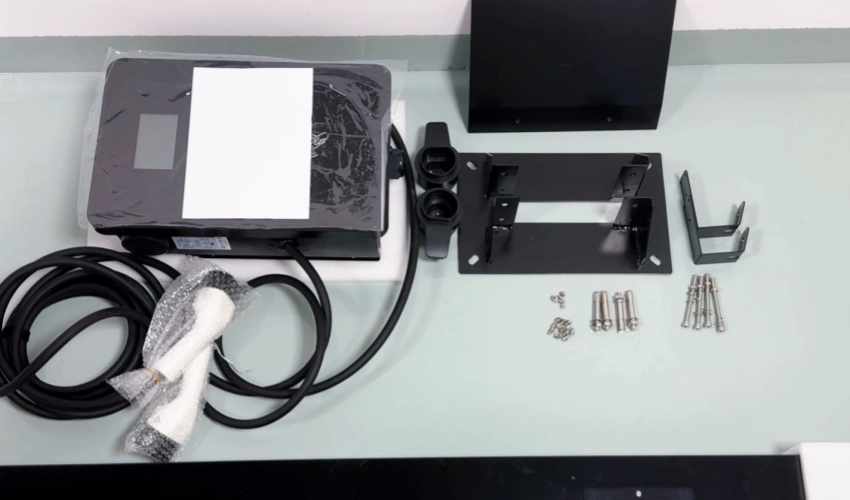
Commercial EV chargers power businesses, fleets, retail parks, hotels, and apartment buildings, but they operate at much higher power levels. A single installation mistake can lead to tripped breakers, equipment damage, electrical fires, regulatory violations, or expensive downtime.
This guide focuses on the key safety considerations for installing commercial EV chargers, helping you understand how to complete the installation safely and in compliance with applicable regulations.
Before Installing a Commercial EV Charger
1. Verify Local Electrical Regulations and Utility Approval
Start here. Most regions require permits and utility notification for chargers above 11kW. In Germany, for example, you must report to the electricity provider before use (from 11kW) and before installation (from 22kW). Failing to do so can result in fines or forced removal. Contact your local utility early and confirm grid capacity. This step prevents the most common and costly surprises.
2. Choose the Right Location
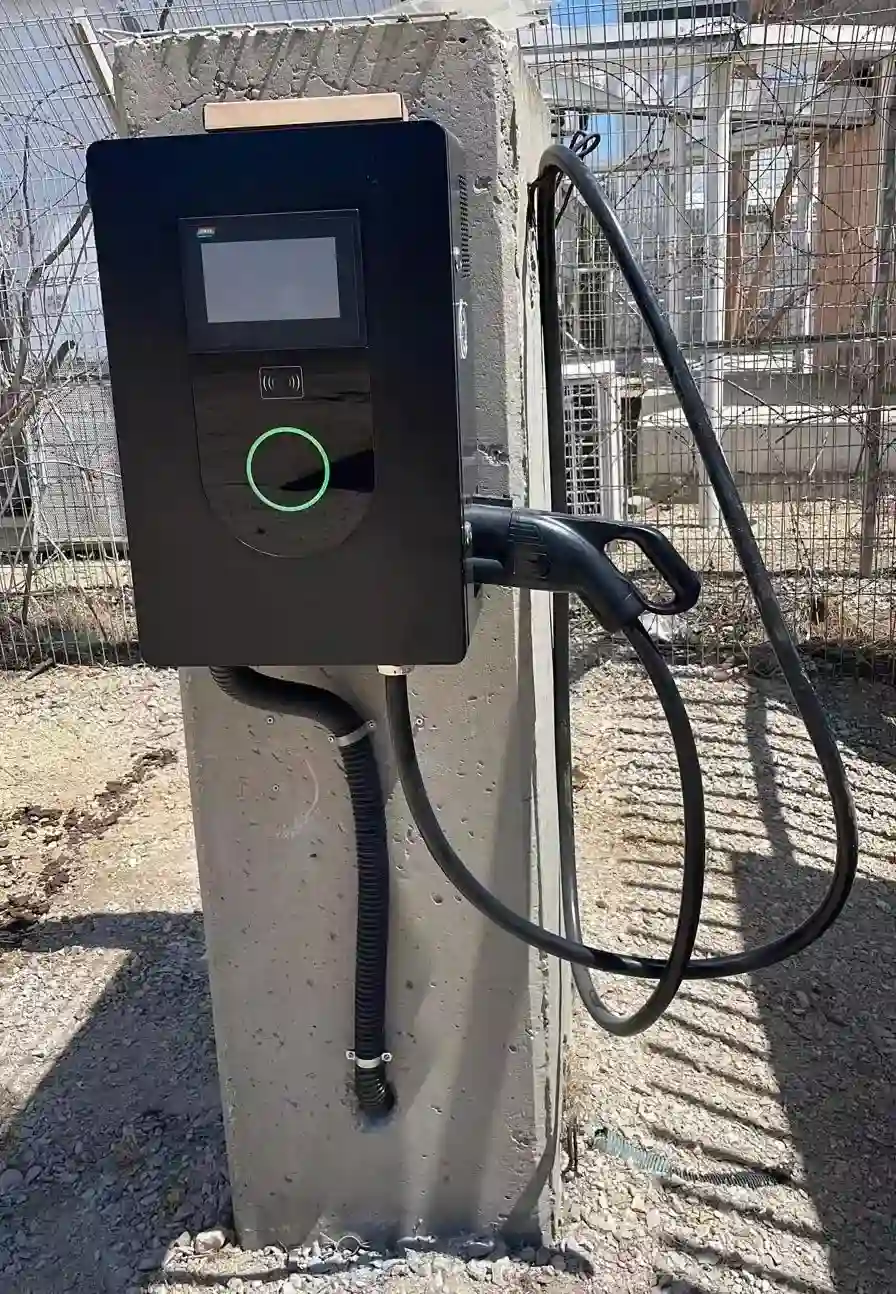
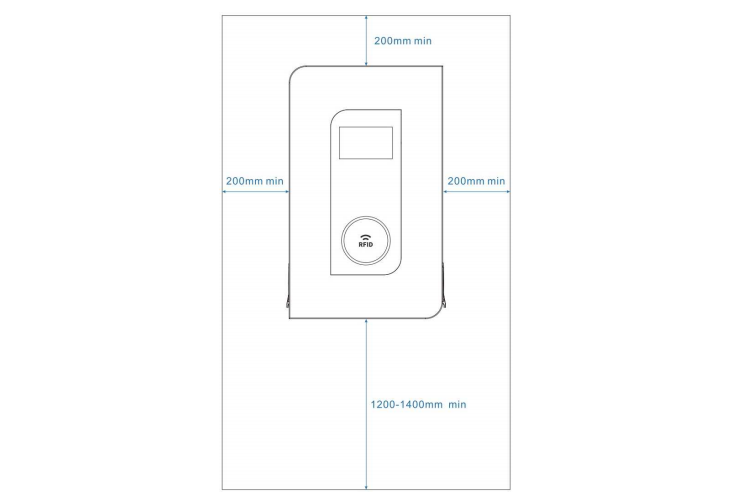
Poor placement causes overheating, water damage, or accessibility issues. Select a well-ventilated spot on non-combustible surfaces (e.g., concrete walls), at least 1200mm above ground. Ensure good airflow and protection from direct rain or snow. Leave adequate clearance (typically 200mm on sides and top) for heat dissipation and maintenance. Outdoor installations need proper weatherproofing — look for IP55 or higher ratings.
3. Assess Power Capacity and Load
Calculate your total available power before purchasing. Commercial chargers draw significant current, and simultaneous use with other equipment can overload circuits. Perform a proper load calculation. Consider future expansion and whether you need load management to dynamically balance power between chargers and building loads. Undersized supply can cause frequent tripping or fire risks.
Essential Safety Requirements During Installation
1. Hire Qualified Professionals
Commercial EV charger installation is not a DIY project. Only licensed electricians with experience in EVSE (Electric Vehicle Supply Equipment) should handle it. They understand high-voltage three-phase systems, grounding requirements, and local codes. Using unqualified labor often voids warranties and insurance.
2. Always Disconnect Power First
Never work on live circuits. Turning off the main breaker and verifying with a multimeter prevents electrocution — the number one risk during installation.
3. Select the Correct Cable Size and Wiring
Why does cable size matter so much? Undersized cables increase electrical resistance, generate excessive heat, degrade insulation, and can cause fires. Always follow manufacturer and local code recommendations based on amperage (e.g., 32A or 64A per charger). Use proper copper conductors and protect exposed ends with insulation.
4. Prioritize Proper Grounding
Incorrect grounding is a leading cause of faults. A solid protective earth (PE) connection ensures fault currents safely dissipate instead of traveling through people or equipment. Poor grounding can trigger safety shutoffs or create dangerous live surfaces.
5. Install Adequate Protection Devices
Commercial chargers need layered protection:
MCB (Miniature Circuit Breaker): Protects against overload and short circuits.
RCD / RCBO: Detects residual currents (including DC 6mA leakage common with EVs) to prevent shocks.
Surge Protection: Guards against lightning or grid spikes that can destroy expensive electronics.
Over/Under Voltage and Temperature Protection: Prevents damage from unstable power.
These devices work together to automatically shut down the system during faults, protecting people, vehicles, and the charger itself.
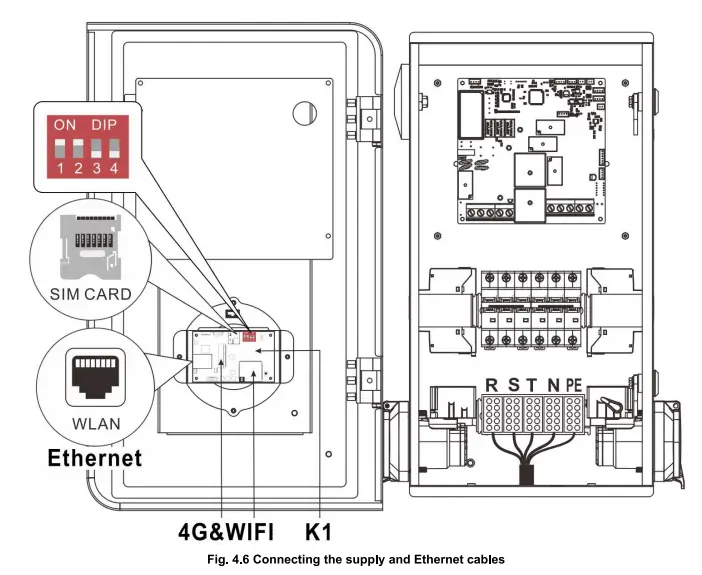
Commercial EV Charger Installation Checklist
Use this practical checklist before powering on:
Utility Approval & Permits obtained
Load calculation completed and supply cable sized correctly
Dedicated circuit with proper upstream breaker
Grounding verified with multimeter
RCD/RCBO installed and tested
Surge protection in place
Mounting secure on non-combustible surface with correct clearances
Cables properly routed, supported, and protected from damage
All connections torqued to specification
Emergency stop button accessible
Final visual and insulation test passed
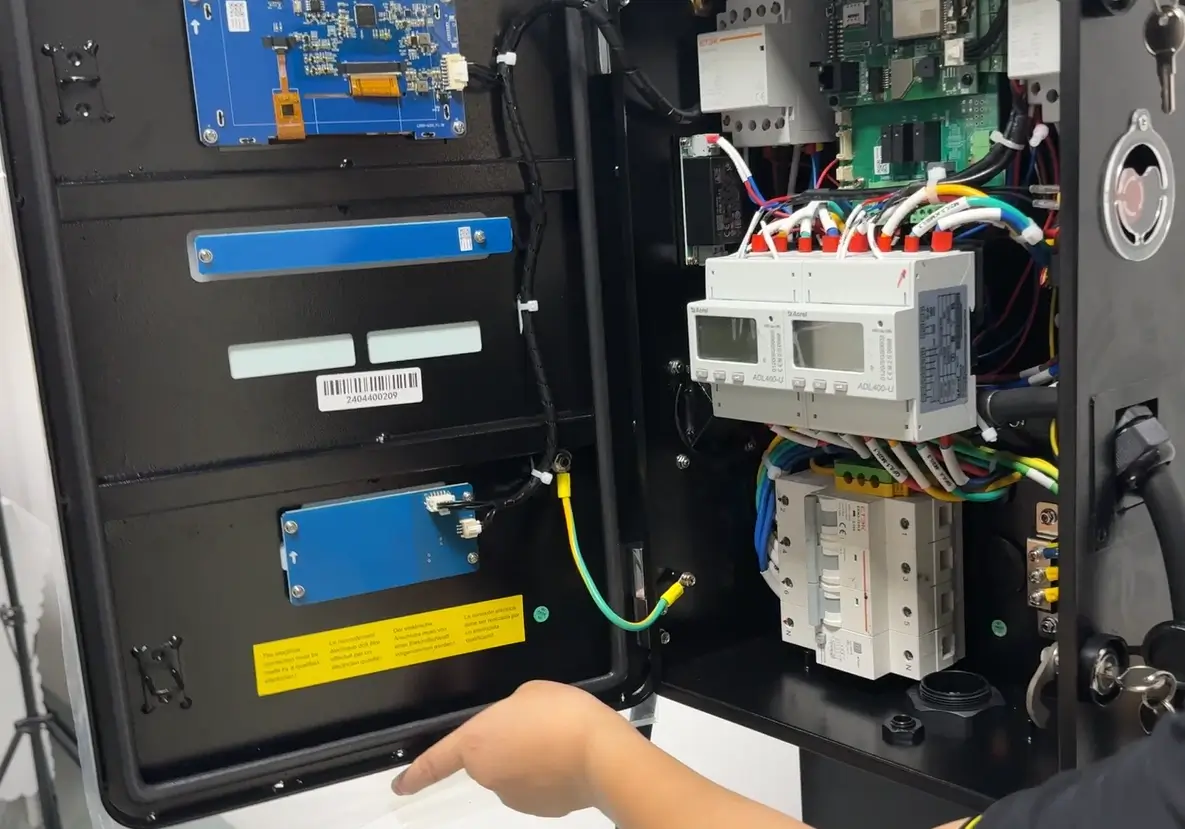
Example: Installing a Modern Commercial Wallbox
Once the infrastructure is ready, installing a quality commercial wallbox becomes much smoother. Many advanced models feature built-in RCMU (residual current monitoring), MCB, optional RCBO, MID-certified meters for billing, and OCPP connectivity for remote management.
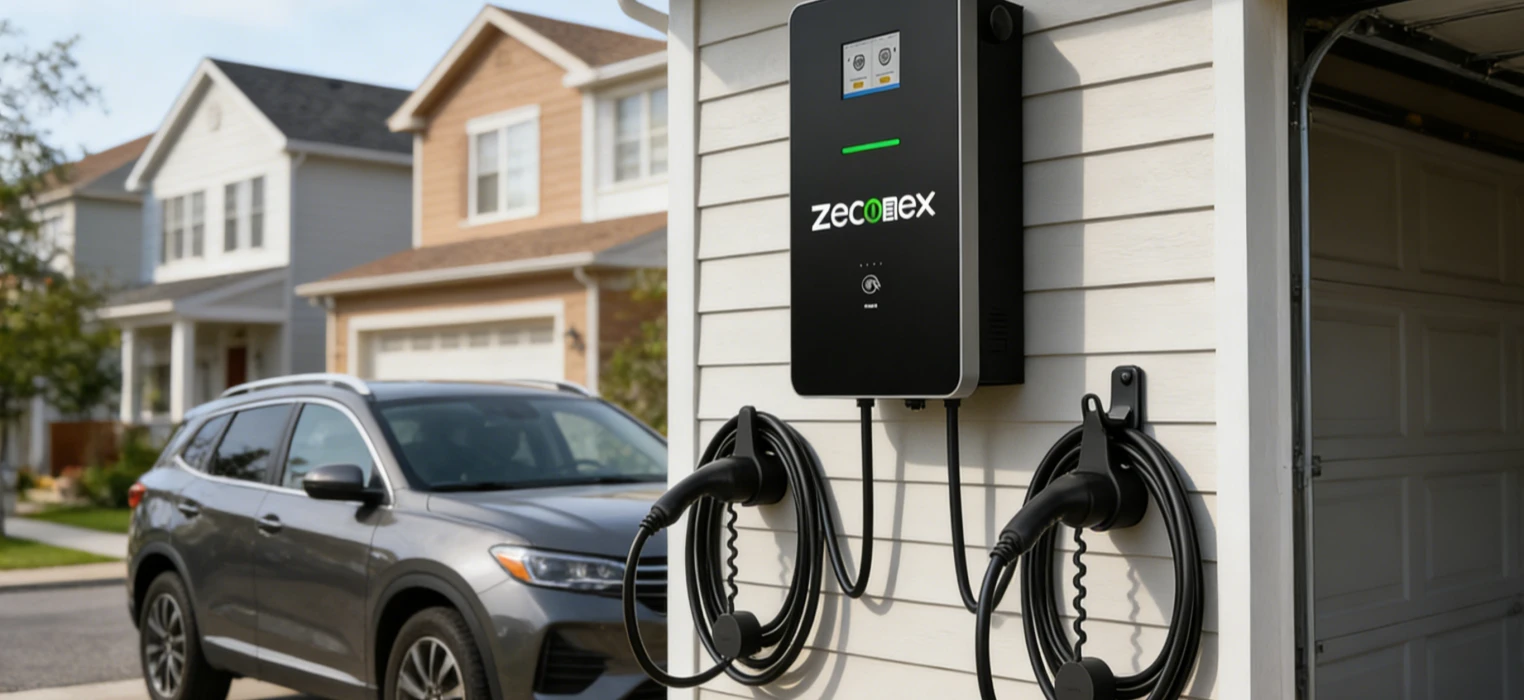
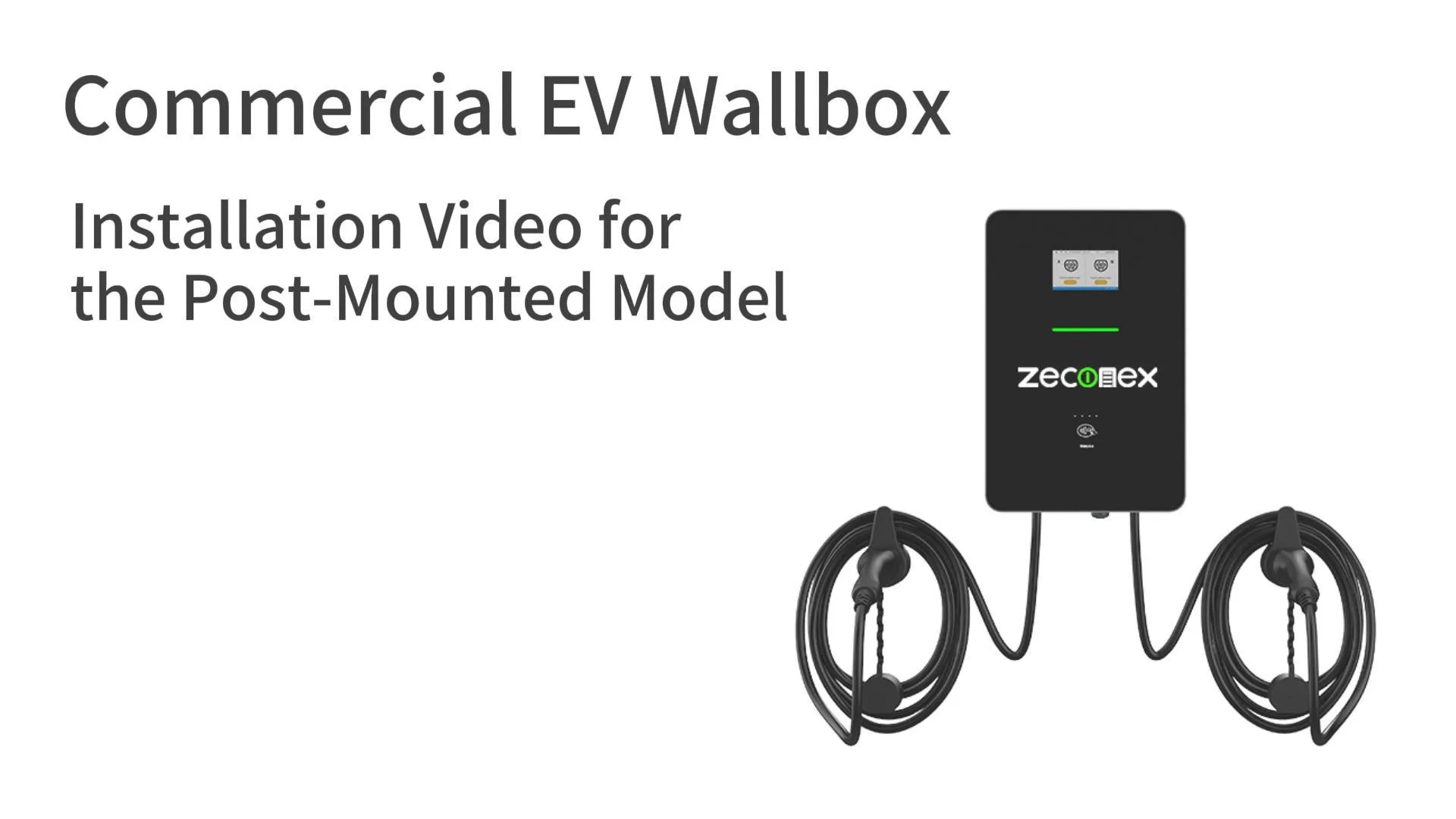
For businesses seeking a reliable dual-socket solution, the ZECONEX Commercial EV Chargers Wallbox (14kW or 44kW models) is designed with these safety features integrated. It supports easy wall or pole mounting, RFID authentication, load management for up to 16 units, and a user-friendly touchscreen. Its robust protections and communication options reduce installation complexity while meeting commercial demands in offices, retail, and fleet depots.
Maintenance After Installation
Safety doesn’t end at commissioning. Perform weekly visual checks, keep connectors clean and dry, and test RCBO monthly. Schedule professional inspections annually. Proper maintenance extends equipment life and prevents unexpected failures.
Ready to Install Commercial EV Charging?
Installing a commercial EV charger safely requires more than following steps — it demands understanding why each safety measure exists. Choosing hardware with comprehensive built-in protections (RCMU, MCB, RCBO options, surge protection, and smart load management) significantly reduces risks and simplifies compliance.
The ZECONEX Commercial EV Charger offers 11kW/44kW dual Type 2 charging, MID metering for accurate billing, OCPP backend integration, and robust safety features tailored for commercial environments.
Looking for reliable commercial EV charging solutions for your business, fleet, or property?
Contact the ZECONEX team today to discuss your project requirements, get expert advice on load calculations, and find the right configuration for your site. Early consultation can save you time, money, and headaches during installation.
FAQ
1. Can anyone install a commercial EV charger?
No. It must be done by a qualified, licensed electrician familiar with EVSE systems.
2. Do commercial chargers need dedicated circuits?
Yes. Sharing circuits with other heavy loads often causes nuisance tripping and safety issues.
3. Can commercial EV chargers be installed outdoors?
Yes, if they have sufficient ingress protection (IP55 or better) and are properly sheltered/mounted.
4. How often should RCBO/RCD be tested?
Monthly, using the built-in TEST button. This is a critical safety requirement.
5. What happens if grounding is incorrect?
It can prevent the charger from working, cause persistent faults, or create serious shock hazards.
6. Do I need load management for multiple chargers?
Strongly recommended. It prevents overloading the building supply and allows more chargers on the same connection.
7. How long does a typical commercial installation take?
1–3 days. In most cases, the electrical installation and commissioning of a single wall-mounted commercial EV charger can be completed within 1–3 working days. Projects involving electrical infrastructure upgrades or multiple chargers may require additional time. It is recommended to consult a qualified electrician in advance to assess the site conditions and establish a realistic installation schedule.