
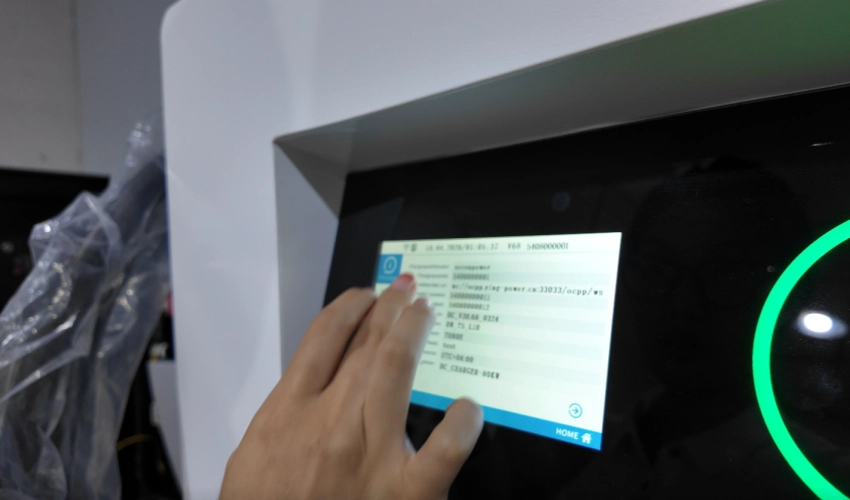
An EV charger does not necessarily stop working when its network connection is lost. With the right offline configuration, it can continue active charging sessions, authorize selected users locally, and store transaction records until connectivity is restored.
Does Charging Continue During a Network Outage?
In most properly configured OCPP charging systems, an active charging session can continue even if communication with the Central System (CSMS) is interrupted.
The charger manages the ongoing session locally, including power delivery and charging control. It does not need a continuous connection to the backend to maintain an already authorized session.
However, some remote functions may become temporarily unavailable, such as remote start/stop commands, live monitoring, and real-time status updates.
Key point: Network disconnection does not automatically mean charging interruption. Actual behavior depends on the charger's firmware and offline operating configuration.
Can Drivers Start a New Charging Session Offline?
Starting a new session is different from continuing an existing one. Without a backend connection, the charger cannot request real-time authorization from the CSMS.
Two OCPP mechanisms can help:
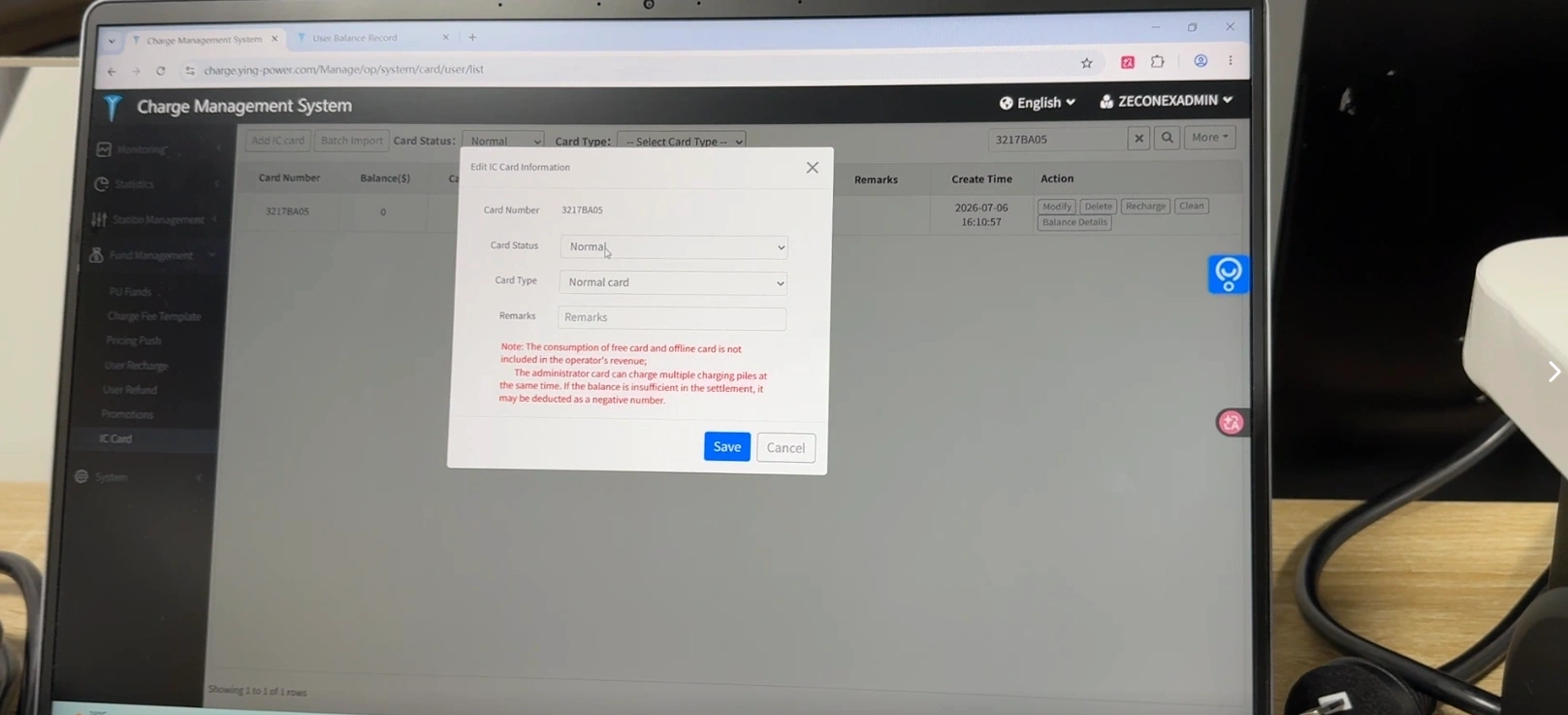
Local Authorization List: A locally stored list of approved RFID IDs. The charger checks the list to authorize users without contacting the backend.
Authorization Cache: Previously approved RFID credentials and their authorization results are stored locally for offline verification, subject to cache validity and configuration.
If offline authorization is enabled, drivers with valid locally stored credentials can start new charging sessions.
Some chargers also support authorization for unknown RFID IDs while offline. However, this requires specific configuration and introduces payment and access-control risks for operators.
How Are Offline Charging Records Stored?
Transaction records are essential for billing, revenue tracking, and operational management.
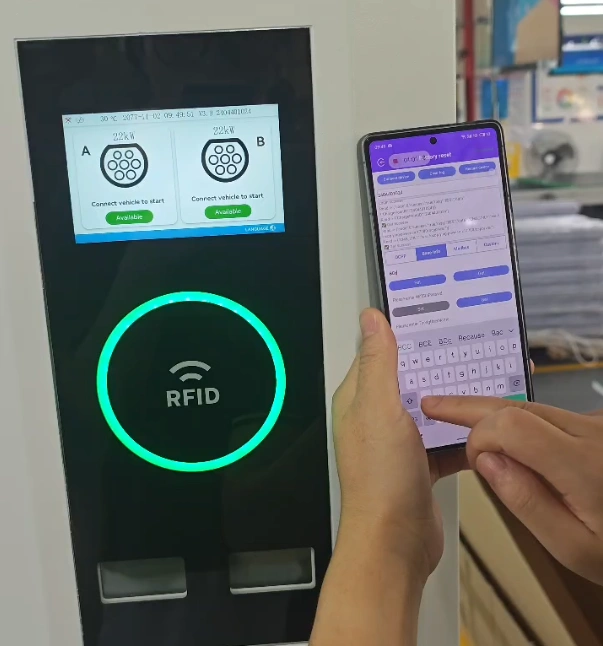
When the network connection is unavailable, an OCPP-compatible charger can store transaction-related messages locally instead of sending them immediately.
Depending on the protocol version and implementation, these records may include:
Session start and stop timestamps.
Meter readings and energy consumption.
Transaction identifiers and authorization information.
This store-and-forward mechanism helps protect transaction data during temporary communication failures. Local storage capacity and message retention policies should also be verified before deployment.
What Happens When Network Connectivity Returns?
Once the connection between the charger and CSMS is restored, the charger reconnects and transmits queued transaction messages.
The backend can then process the previously stored charging records for billing, reporting, and session management.
For operators, this means temporary network interruptions do not necessarily result in missing transaction records.
However, successful synchronization depends on local storage, communication recovery, and the charger's OCPP implementation.
How Can Chargers Maintain Network Connectivity?
The communication method also affects network reliability.
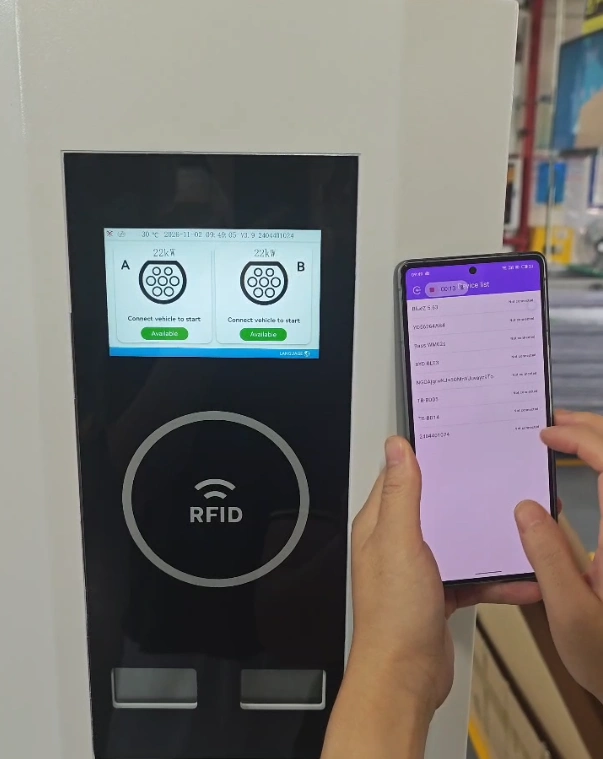
Common connectivity options include:
Ethernet: A stable wired connection, suitable for fixed charging stations with available network infrastructure.
Wi-Fi: Flexible installation without additional network cabling, but performance depends on signal coverage and interference.
4G: Uses cellular networks, making it suitable for outdoor sites, parking areas, and locations without wired internet access.
Some charging systems support multiple communication interfaces or configurable network failover. However, automatic switching between Ethernet, Wi-Fi, and 4G is not a universal feature. Operators should confirm the supported switching logic and configuration.
What Should CPOs Check Before Deployment?
Before selecting an EV charger for a public or unattended charging site, operators should verify:
Offline session continuity: Can active charging sessions continue during backend disconnection?
Local authorization: Does the charger support offline RFID authorization?
Transaction storage: How many offline sessions or messages can it retain?
Data synchronization: Are queued records automatically uploaded after reconnection?
Network redundancy: Does the charger support multiple communication interfaces and automatic failover?
These details help operators evaluate actual offline performance rather than relying on connectivity specifications alone.