
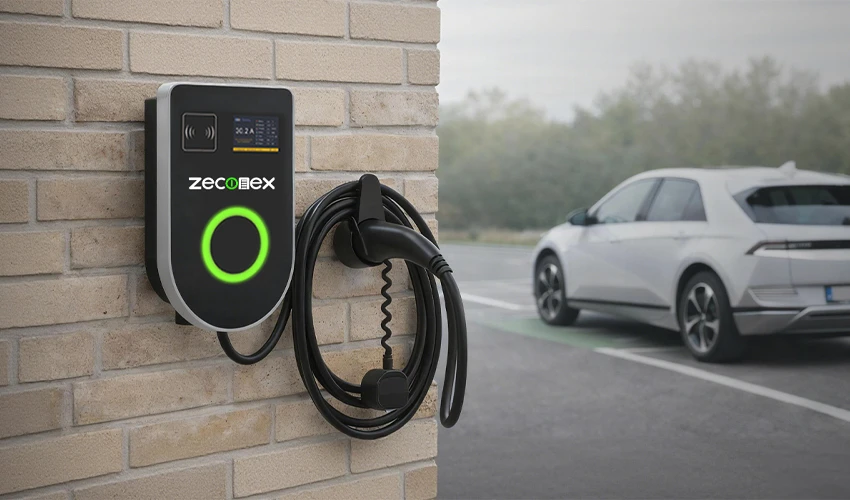
As EVs become increasingly popular, more drivers are opting to install home charging solutions that cater to their daily commuting needs.
Imagine having to rely on public charging stations every time your vehicle needs power—searching for an available charger or waiting in line when the battery runs low.
With a dedicated home EV charger, plug in after work and let your car charge overnight, making everyday driving more convenient, efficient, and worry-free.
What is a 7 kW Home Electric Vehicle Charger?
A 7 kW home EV charger is an AC (alternating current) charging unit with a rated output of approximately 7 kilowatts. It is designed to operate within standard residential electrical systems and can be installed by connecting directly to a home power supply.
While ensuring electrical safety, this power level provides an efficient charging solution for daily EV use without the need for industrial-grade electrical upgrades. As a result, 7 kW chargers are widely regarded as the mainstream power option for home AC charging.
Benefits of Installing a 7 kW Home EV Charger
Home EV chargers typically range from 3 kW to 22 kW in charging power. Chargers with lower output can result in significantly longer charging times, reducing overall convenience. On the other hand, charging power above 11 kW usually requires a three-phase electrical supply, placing higher demands on a home’s electrical infrastructure and making it unsuitable for most residential installations.
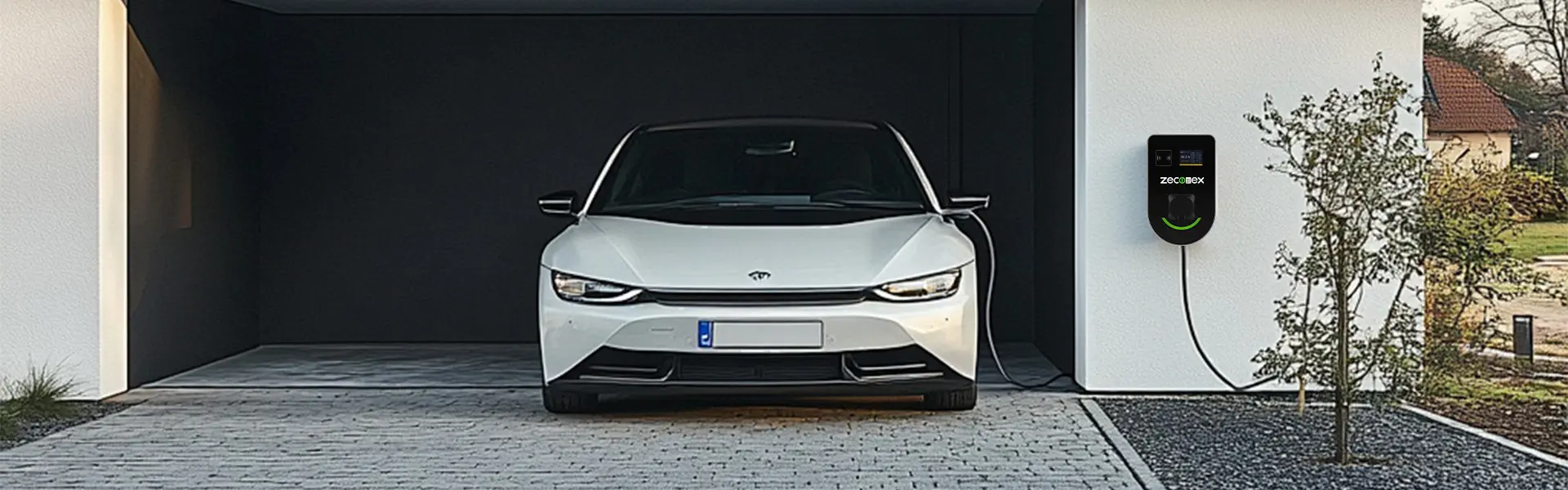
A 7 kW home EV charger strikes an ideal balance. It delivers efficient daily charging performance without placing excessive load on the household electrical system, offering a practical combination of charging speed, safety, and compatibility with residential power supply.
To meet the needs of different households and usage scenarios, Zeconex offers a range of 7 kW-level EV charging solutions, including 3.5–7 kW portable EV chargers and 7–22 kW wall-mounted home EV chargers, allowing users to select the most suitable option based on installation conditions and charging habits.
Advantages of Zeconex 3.5–7 kW Portable EV Charger:
- Type A + 30 mA residual current protection, over-temperature protection, and a high protection rating of IP65
- OLED display with adjustable current settings: 8A / 10A / 13A / 16A / 20A / 32A
- Fully compatible with all mainstream electric vehicles on the market
Advantages of Zeconex 7–22 kW Home EV Wallbox Charger:
- Type A + DC 6 mA leakage protection for enhanced electrical safety
- Smart and user-friendly mobile app, enabling Bluetooth control and dynamic load balancing
- Available with Type 1 or Type 2 charging cables, supporting wall-mounted or pedestal installation
Factors Affecting the Cost of a Home EV Charger
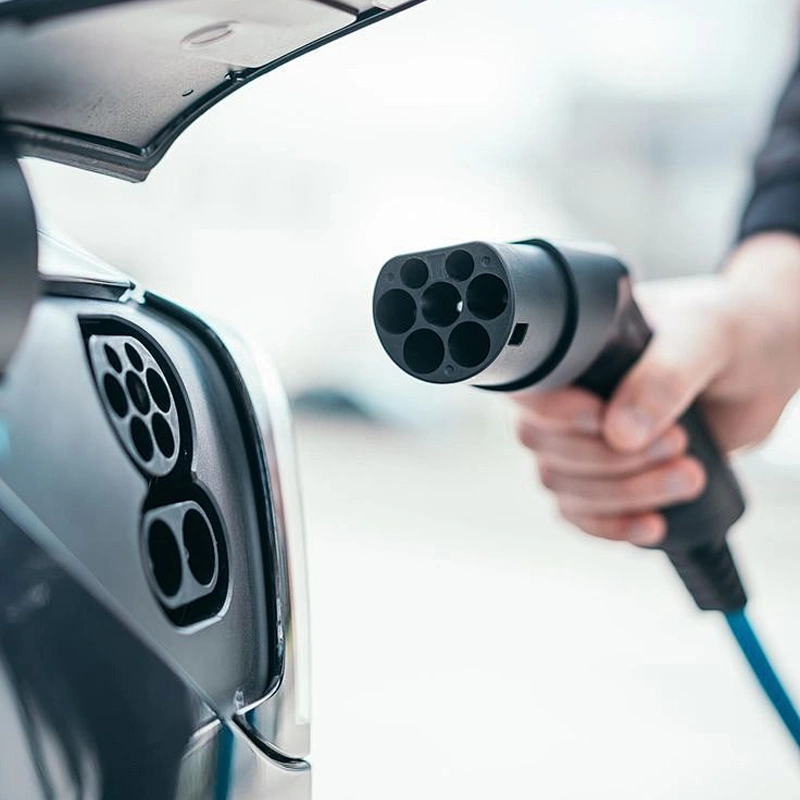
Several factors typically influence the total cost of installing a 7 kW home EV charger
- Cost of the charging unit itself: The price of the charger varies depending on the brand, feature set (basic vs. smart chargers with Wi-Fi), and charging cable length.
- Existing home electrical system and upgrade requirements: Costs may increase if a new circuit is required, the circuit breaker needs upgrading, or if the home layout affects cable routing distance and installation complexity.
- Electrician labor and installation complexity: Labor rates vary by region. Longer cable runs, wall drilling, or complex wiring routes can significantly increase installation time and labor costs.
- Permits, inspections, and administrative fees: In some regions, electrical permits and post-installation inspections are required, adding to the overall cost.
- Additional materials and accessories: Extra components such as residual current protection devices, mounting hardware, cable conduits, or dynamic load management systems may also add to the total expense.
Zeconex is an experienced EV charger manufacturer and supplier with full in-house control from raw materials to finished products.
This vertically integrated production model allows us to maintain strict quality and functionality standards while offering more competitive pricing than traditional distributors and resellers.
Home EV Charger Installation Process
1. Installation Preparation
- Multimeter
- Cross Screwdriver
- Insulated Torque Wrench
- Electric drill
- Diagonal Pliers
- Power supply cable
2. Installation Process
- Use a hammer drill to drill mounting holes according to the paper template
- Install the expansion anchors
- Secure the charging base to the wall
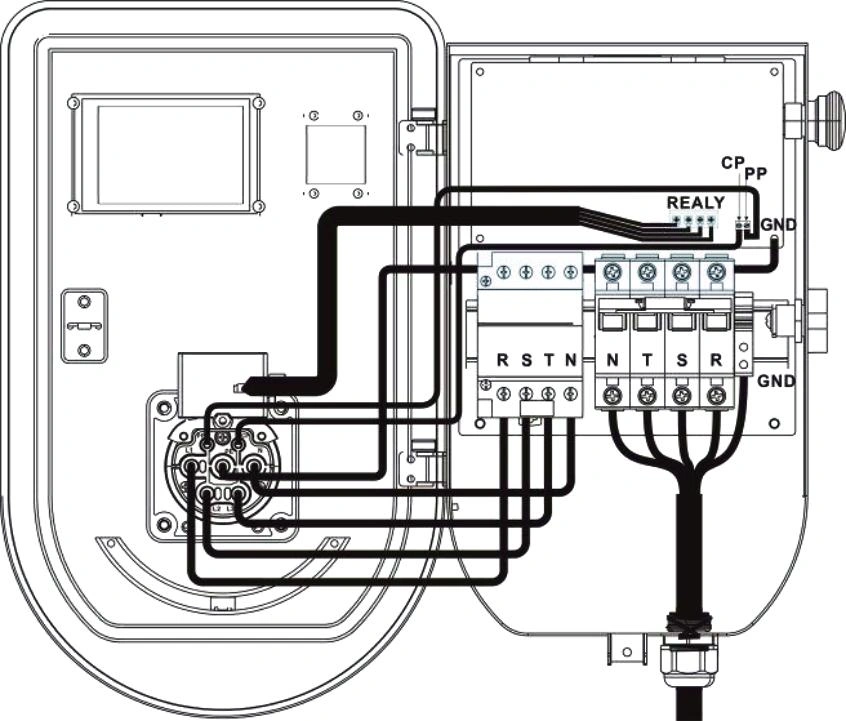
- Connect the power cable, wiring R, S, T, N, and PE terminals from left to right
- Install the cable holder/hook
- Reinstall the cover, then proceed with testing and charging
Important Considerations When Installing
Pre-Installation Checklist
Ensure the selected installation location allows convenient daily use as well as easy access for inspection, servicing, and maintenance.
Before installing the charger, verify that the site’s AC power supply is equipped with the required protective devices.
Installation Safety Notices
Electrical equipment must be installed, operated, and serviced only by qualified personnel.
The manufacturer assumes no responsibility for any consequences arising from improper use or installation of this equipment.
Qualified personnel must possess appropriate certifications, skills, and knowledge related to the construction, installation, and operation of this type of electrical equipment, and must have received safety training to identify and avoid potential hazards.
All installation, repair, and maintenance work must comply with applicable local, regional, and national electrical codes and regulations.
The charger is equipped with 6 mA DC residual current protection (RCD).
An external Type A circuit breaker must be installed upstream of the charger.
conclusion
A 7 kW home EV charger offers an ideal balance between charging performance and installation compatibility, making it a practical solution for everyday home charging. Therefore, choosing a charger brand that is reliable, easy to install, and designed for long-term adaptability is equally important.
As an experienced EV charger manufacturer and supplier, Zeconex is backed by a mature R&D system and extensive international project experience, and is committed to delivering safe, reliable, and future-ready home EV charging solutions for homeowners and installers alike.